Seasonal · Dry January 2027
Dry January when your partner still drinks: a calm plan for two
You've decided on a dry January. Your partner has not. Now there is a bottle of red open on the kitchen counter every evening, a glass being poured at exactly the moment you used to pour yours, and a small, unspoken question in the air about whether this is a judgement. Here is how to do the month at home, without the rows, and maybe with your partner on your side by the end.
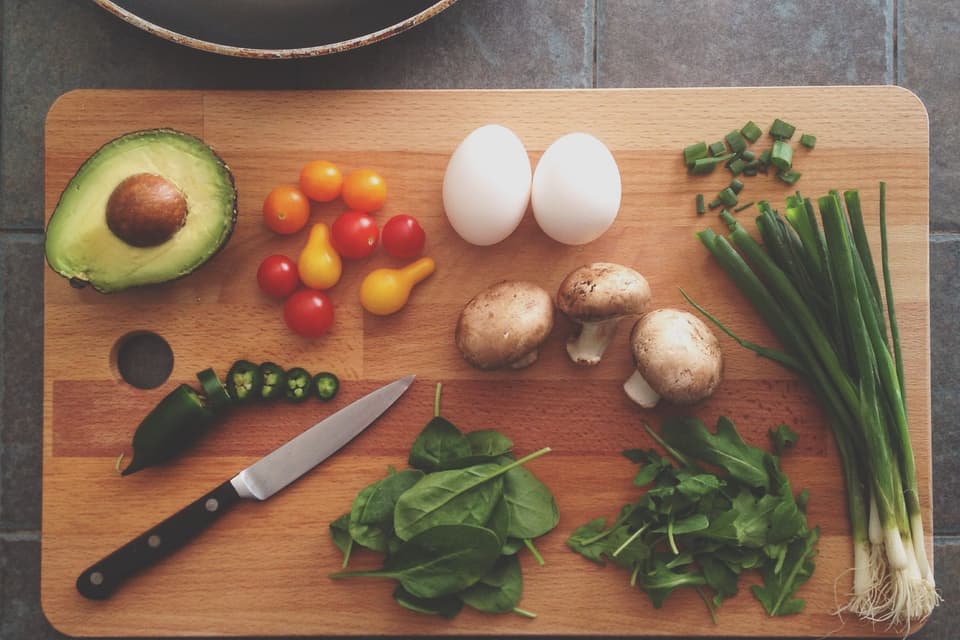
Photo is illustrative, not from a past month. Credits.
Most advice about a dry month is about parties, bars and pushy friends. But for many people the hardest place is not the pub. It's their own kitchen at 6.30pm on a Tuesday, when the person they love most opens a bottle, pours a glass, and says, without meaning anything by it, "Sure you don't want one?"
Thinking of spending some or all of January away? Start with my Dry January retreat 2027 guide: the short answers, the cost, and every January guide in one place.
Want it on paper? The free Dry January 2027 planner is a printable 31-day calendar with one small prompt a day, no sign-up.
This guide is for that kitchen. It covers why a partner's drinking matters so much, the conversation to have in December, how to set up the house so it's fair to both of you, the evening ritual, nights out together, the rows to avoid, and what to do if you slip. It assumes your partner is a normal, kind person who simply hasn't signed up for your January. If drinking at home has become frightening or unsafe, skip to the last section.
Please read this first. If you drink heavily or every day, or use other drugs daily, stopping suddenly can be dangerous. Talk to a doctor before you stop. The Quiet Month is not medical, not therapy and not rehab. In a crisis, call your local emergency number or find a free helpline at findahelpline.com. More in our questions.
The short version
- Ask for support, not a matching month. "Will you help me?" works far better than "Will you stop too?"
- Have the talk in early December, sober, at a calm moment. Not on 31 December with a glass in their hand.
- Agree three house rules: where their drinks live, no offers, and one alcohol-free evening together a week.
- Replace your 6pm glass, together. Cook, walk or make a proper alcohol-free drink side by side.
- Never police their glass. Your month is your month. The quickest way to lose it is to make it about them.
Why your partner's drinking matters so much
Couples tend to drink alike, and research suggests it's partly because we influence each other. In a study of more than 12,000 people followed for three decades in the Framingham Heart Study, drinking habits spread through networks of friends and family, and between spouses. The same study found that wives who didn't drink also had an influence on their husbands (Rosenquist and colleagues, Annals of Internal Medicine, 2010). It's observational research, so it shows patterns, not proof. But the pattern is clear: the person you live with is one of the strongest pulls on your habits, in either direction.
There's also a relationship side. Researchers at the University of Michigan looked at 2,767 older married couples in the US Health and Retirement Study. Couples whose drinking matched, both drinking or both not, reported less negative marital quality over time than couples whose drinking didn't match (Birditt and colleagues, Journals of Gerontology, 2016). The lead researcher's point was that it mattered whether they drank, more than how much.
So a dry month in a house where one person still drinks is genuinely a bit harder, for both of you. That's not a reason not to do it. It's a reason to plan it together, and to keep it kind.
The December conversation
Pick a calm moment in early December: a walk, a Sunday breakfast, a car journey. Not after a long day, not after a drink, and not as a surprise on New Year's Eve. Then cover four things:
- Your why, in one sentence. "I want my mornings back." "I want to know I can." "I want to see how I feel." Keep it about you, not about their drinking.
- What you're asking for. Be specific. "Please don't offer me a drink, even as a joke" is clear. "Be supportive" is not.
- What you're not asking for. Say it out loud: "I'm not asking you to stop." Most defensive reactions come from that fear, and it's easy to remove.
- An invitation, with no pressure. "If you ever want to join me for a week, or a weekend, I'd love that. But it's genuinely fine if not."
Some partners say "I'll do it with you" on the spot. Lovely, but don't count on it, and don't hold them to it if they stop after a week. Your January works either way.
Three house rules that keep it fair
Agree these in December, then you don't need to negotiate them on a tired Thursday:
- Their drinks live in one place. A cupboard, a box, a shelf in the garage. Not on the kitchen counter in your eye line. It's their house too, so the drinks stay; they just stop being the first thing you see.
- No offers, no jokes. "Go on, one won't hurt" is how a lot of dry months end. Ask them to stop offering, even playfully, for 31 days.
- One alcohol-free evening together a week. A dinner, a film, a walk, a game. Not a sacrifice for them; a date. Many couples find they like it more than they expected.
And one rule just for you: stock your own shelf. Good tea, coffee you love, sparkling water, a couple of alcohol-free options you actually enjoy. My list of 30 things to drink instead of alcohol is a good shopping list.
The 6pm moment, side by side
For many couples, the evening drink isn't really about alcohol. It's a signal: work is over, we're home, we can relax now. Take your glass away and that signal goes too, which is why 6pm can feel oddly lonely in week one, even with your partner right there.
So keep the ritual, change the contents. Some ideas that work for couples:
- Cook together. Twenty minutes of chopping and talking is the old drinks-before-dinner slot, with dinner at the end of it.
- Make two drinks, one of them without alcohol. Same glasses, same ice, same moment. You both still "have a drink".
- Walk round the block at the time you'd usually pour. Twenty minutes, any weather, phones in pockets.
- Eat earlier. Hunger at 6pm sounds a lot like "I need a drink".
Sleep can feel strange in the first week or so, then many people find it settles. If you share a bed with someone who still drinks, earplugs are a good investment. More in sleep without alcohol: what changes in the first month.
Rowan is our AI assistant. Please keep health details for the video call.
Nights out together
Going out as a couple when only one of you is drinking is mostly about timing and small kindnesses:
- Choose places with good food or something to do. A restaurant, a film, a show, a gig with seats. Bars where drinking is the only point are the hardest.
- Agree the plan before you leave: who's driving (you, probably, which your partner will enjoy), and roughly when you're coming home.
- Agree a quiet signal for "I'm ready to go". Then you don't need a scene at 11pm.
- Back each other up. If a friend pushes you, your partner says "they're doing January, leave them be". That one sentence from them is worth ten from you.
For harder evenings with friends who keep asking, read how to not drink when your friends do. If your partner's work diary is full of dinners, Dry January at work has lines for colleagues and clients.

The rows to avoid
A dry month can stir up small resentments on both sides. Watch for these:
- "You're judging me." Your partner may feel your glass of water is a comment on their wine. Say plainly that it isn't, and then make sure it isn't: no counting their glasses, no sighs, no "are you having another?"
- "You're no fun any more." If you go quiet and go to bed at nine every night, they lose their evening companion. Plan things you both enjoy, so the month adds something for them too.
- The scoreboard. "I've done 19 days and you couldn't even do one." Don't. Your month is a gift to yourself, not a competition.
- The sneaky test. "Just taste this, it's lovely." If it happens, a calm "No thanks, remember?" is enough. Talk about it the next morning, not in the moment.
If a disagreement starts, park it until morning. Late-evening arguments in a house with alcohol in it rarely go well, for anyone.
If you slip
A shared bottle on a Saturday, a "just one" on a hard day. It happens. Here's what to do:
- Don't restart from day 1. Carry on tomorrow. Twenty-nine dry days out of thirty-one is a very good January.
- Don't blame your partner, even if they poured it. You both learn more from "what would help next time?" than from "you made me".
- Change one small thing together. Move the bottle. Eat earlier. Swap Saturday's plan.
If you find you keep slipping, or can't stop when you want to, that is worth knowing, and worth talking about with your doctor. Asking for help is a strong move, not a weak one.
February: what you keep, together
In the last week of January, sit down together again. Ask each other: what did we like about this month? Many couples find they want to keep something: one alcohol-free evening a week, a Sunday walk, a cooking night, no drinks at home on weeknights. The UK's NHS advice is not to regularly drink more than 14 units a week, spread over three or more days, with several drink-free days, so a few drink-free evenings a week can be a sensible shared habit. Write your one or two habits on a card and put it on the fridge.
For more on what to expect from your body and your evenings, week by week, see what happens when you stop drinking for a month. For the five weekends of January 2027, my practical Dry January 2027 plan gives each one a theme.
Free help for January 2027
The charity behind Dry January, Alcohol Change UK, has a free Try Dry app that tracks your dry days, the money you've saved and how you feel. The charity says research from the University of Sussex found that people who used the app with the daily emails were twice as likely to have a completely alcohol-free month. A buddy helps too, and it doesn't have to be your partner: a friend doing the same month, someone to message on a hard evening. My guide to how to find sober friends has ideas.
And if you'd like company on the way, 30 Quiet Days is our free January programme, 1 to 31 January 2027: one short email each morning with one small thing to try, and an optional daily check-in with Rowan, our AI assistant (an AI, and he says so). You don't have to be sober to join, so your partner can sign up too, drinking or not.
"Dry January" is a registered trademark of Alcohol Change UK. The Quiet Month is not linked to the charity.
When it's more than a month off
This guide assumes a partner who drinks in a normal, social way and a home that feels safe. If your partner's drinking worries you, if it has become frightening, or if you feel unsafe at home, a month off on your side won't fix that, and it isn't yours to fix alone. Talk to a doctor or someone you trust. If you are in danger, call your local emergency number. You can find a free helpline in many countries at findahelpline.com.
Or spend January somewhere else
Some people know themselves. Same kitchen, same 6pm, same bottle on the counter, same result. For them, a month away removes most of the small decisions at once, and gives the household a break too. My guide to spending Dry January abroad covers choosing a place, a budget and a routine.
And if you'd rather not build it all yourself, that's what I do. The first Quiet Month starts on 1 January 2027. Up to four guests, each in their own private flat about ten minutes' walk from me, shared low-carb meals, daily exercise at your pace, 10 to 20 minutes of meditation (optional), outings and long talks in the evening. One free day a week. No alcohol, no smoking, no drugs for the month; prescribed medicine is always fine.
Honestly: I'm self-taught, not a doctor or counsellor. The Quiet Month is not medical, not therapy and not rehab. Every guest is 21 or over and brings a doctor's fit-to-join letter. I don't publish where I am; after a free video call, if we both want to go ahead, you learn the country and city before you sign. The fee is US$10,000 for the month, plus your own flat and flights. See the January 2027 month and the price page.
Doing January at home instead? Read Dry January 2027, somewhere quiet, or join the free 30 Quiet Days emails.
Questions people ask
How do I do Dry January if my partner still drinks?
Talk in early December at a calm moment, ask for support rather than asking them to stop, and agree three house rules: their drinks live in one place, no offers or jokes, and one alcohol-free evening together a week. Replace your evening drink with a shared ritual, such as cooking together or a walk, and never police their glass.
Should I ask my partner to do Dry January with me?
You can invite them, but make it a real invitation with no pressure. "Will you help me?" usually works better than "Will you stop too?" Your month works either way, and many partners join for a weekend or a week once they see how it goes.
Does a partner's drinking affect your own?
Research suggests it can. In the long-running Framingham study, drinking habits spread between spouses, friends and relatives, and partners who did not drink also had an influence. It is observational research, so it shows patterns rather than proof.
What if my partner keeps offering me a drink?
Agree before the month that there are no offers, even as a joke. If it happens, a calm "No thanks, remember?" is enough in the moment; talk about it the next morning rather than in the evening.
Is there a free programme for a sober January 2027?
Yes. Alcohol Change UK runs Dry January with the free Try Dry app. The Quiet Month also runs 30 Quiet Days, free from 1 to 31 January 2027: one short email each morning and an optional daily check-in with Rowan, an AI assistant. You don't have to be sober to join, so a partner can join too.
Sources
- Birditt KS, Cranford JA, Manalel JA, Antonucci TC (2016), Journals of Gerontology Series B: Drinking patterns among older couples, longitudinal associations with negative marital quality (Health and Retirement Study, 2,767 couples; concordant drinking linked to less negative marital quality)
- University of Michigan Psychology: Couples who drink together tend to be happier together ("it's not about how much they're drinking, it's about whether they drink at all")
- Rosenquist JN, Murabito J, Fowler JH, Christakis NA (2010), Annals of Internal Medicine: The spread of alcohol consumption behavior in a large social network (Framingham, 12,067 people, 1971 to 2003; spouse effects incl. abstaining wives; observational)
- NHS: The risks of drinking too much (14 units a week guidance)
- NIAAA, Rethinking Drinking: Tips to try (plan ahead; "know your no")
- Alcohol Change UK: Dry January and the Try Dry app (includes the safety note for people who are dependent)
- Find A Helpline: free helplines in many countries
Prices and facts were checked on 24 October 2026. Prices change; always check the source before you book anything.