Seasonal · Dry January
Dry January retreat: how to plan a sober January away from home
Why some people spend Dry January somewhere new, what the research on a month off really says, and a plain plan that starts in December, not on the first hungover morning of the year.
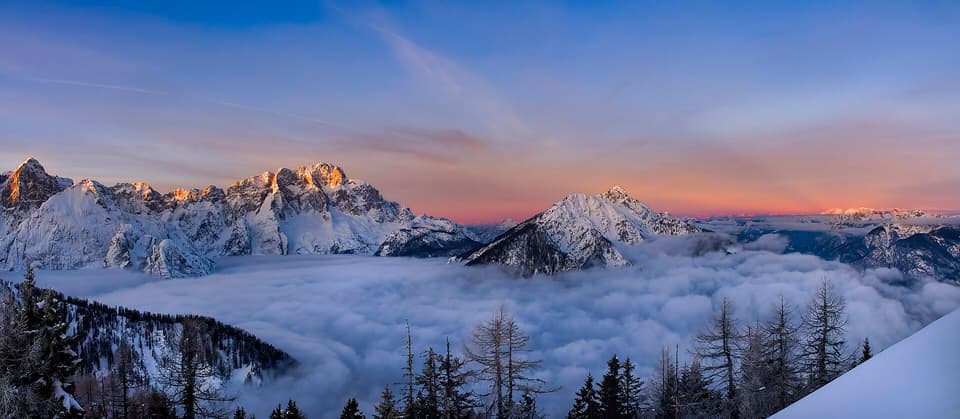
Photo is illustrative, not from a past month. Credits.
Please read this first. If you drink heavily or every day, or use other drugs daily, stopping suddenly can be dangerous. Talk to a doctor before you stop. The Quiet Month is not medical, not therapy and not rehab. In a crisis, call your local emergency number or find a free helpline at findahelpline.com. More in our questions.
A Dry January retreat is a simple idea: instead of doing your month off alcohol at home, with the leftover Christmas bottles and the usual Friday, you spend some or all of January somewhere new where nobody drinks. It can be a weekend, a week or the whole month. This guide explains where Dry January came from, what the research on a month off actually says, how to choose between a short break and a long one, and how to plan a sober January away step by step. The planning starts in December. That is the whole trick.
What Dry January is, and who runs it
Dry January is a campaign run by the UK charity Alcohol Change UK. The charity's own history says the idea came from Emily Robinson, who joined the organisation in 2012 and talked about a month off drinking she had taken herself. The first official Dry January ran in 2013 with about 4,000 people. By 2024, the charity says, more than 215,000 people signed up, and it reports over 200,000 taking part in 2025. Many more do it informally, without signing up at all.
The charity offers a free app called Try Dry, which tracks your days and money saved, plus daily emails through January. Both are free. If you are doing Dry January anywhere, at home or away, they are worth having on your phone.
One line on the Alcohol Change UK site matters more than any other, so I'll repeat it plainly: people who are dependent on alcohol can die if they stop suddenly and completely. If you get shaky, sweaty or can't sleep when you go without a drink, the charity advises talking to a GP or a local alcohol service first, not stopping on your own. A retreat is not the place to find that out.
Why spend Dry January away from home?
Most people do Dry January at home, and that works well for plenty of them. But a few things make January at home harder than it needs to be.
- The house is still full of Christmas. Half a bottle of port, a gift box of wine, the gin someone left. Each one is a small decision every evening.
- The routine is the same. Same sofa, same 6pm, same habit of pouring something when work ends. Your brain knows the script.
- January is dark and long, at least in much of the northern half of the world. Evenings indoors, with nothing planned, are exactly when "just one" sounds reasonable.
- The people around you may not be doing it. Kind friends still say "go on, it's Friday".
Going away changes all four at once. There are no bottles in the cupboard because there is no cupboard of yours. The routine is new, so you can build it on purpose. And if you choose a place and company where nobody drinks, the evening question is already answered. That is the real case for a Dry January retreat. Not magic, just fewer decisions.
What the research says about a month off
Most of the good research on this comes from one place: Dr Richard de Visser and colleagues at the University of Sussex, working with Alcohol Change UK.
In a study published in Health Psychology in 2016, they followed 857 British adults who took part in Dry January, with questionnaires before, one month after and six months after. Six months on, people were drinking on fewer days and drinking less when they did drink, and they felt more able to turn down a drink. These changes appeared whether or not people managed the full month, and were larger for those who did. Very few people said they drank more afterwards.
In a later article for The Conversation, de Visser described a study of 4,232 adults who signed up for Dry January. By the end of the month, 56% said they slept better, 52% said they had more energy and 63% said it helped them save money. He also noted that around half of people go back to their previous drinking levels afterwards, but feel more in control of it.
Two honest caveats. First, these are people who chose to take part and answered surveys about themselves, so they are not a promise for anyone. Second, a 2021 study in Drug and Alcohol Dependence, led by Penny Case, found that the growth of Dry January in England was not linked to large changes in drinking across the whole population. So Dry January helps many of the people who do it; it hasn't changed a nation on its own. That's fair, and it's why the way you plan your month matters.
A weekend, a week or the whole month?
There is no single kind of Dry January retreat. Here is how the main choices compare.
| A weekend | A week | The whole month | |
|---|---|---|---|
| Good for | A strong start | Getting past the first evenings | Building a new routine |
| The rest of January | At home, on your own | Mostly at home | Away, with the routine built |
| Time off work | None or one day | A week of leave | A real conversation with work |
| The risk | Day 4 at home feels like day 1 | The return in week 2 | Cost and time |
A weekend away on 1 to 3 January is a lovely way to begin, especially if New Year's Eve was busy. A week carries you past the first few evenings, which many people find the strangest. A whole month away means the routine you practise on day 3 is the same one you practise on day 30. Research on habits, from a University College London study led by Phillippa Lally, found a new daily behaviour took an average of about 66 days to feel automatic, with huge differences between people. A month won't finish that job, but thirty mornings are a lot more practice than three. I compared prices for longer stays in what a one month wellness retreat costs.
How to plan a sober January away: step by step
- Decide in early December, not on 1 January. Write one sentence: why you want this month. "I want my mornings back" is enough. Planning ahead also means better prices and real choice of places.
- Check you can stop safely. If you drink every day or heavily, or have felt unwell when you stopped before, see a doctor before you book anything.
- Pick dates that dodge New Year's Eve travel. Arriving on 2 or 3 January is often calmer and cheaper than flying on the 31st or the 1st.
- Choose the place for the days, not the nights. Good walks, good food markets, daylight, a calm neighbourhood. Skip the party district, however good the deal.
- Clear the room. If you stay in a hotel, ask for the minibar to be emptied before you arrive. Some hotels will, if you ask. If you rent a flat, don't buy "one bottle for guests".
- Plan the evenings. A walk at sunset, a proper dinner, an hour with a book, an early night. Write down the first week. "I'll see how I feel" is how most dry months end early.
- Pack your drinks. Good tea, a favourite coffee, and know what alcohol-free options exist where you are going.
- Sort the boring things. Travel insurance with medical cover, any medicine with prescriptions, and a doctor's OK if you have a health condition and plan to change your food or exercise.
- Plan the way back. Decide now what the first week home looks like, so February doesn't undo January.
For a fuller version, with scripts for saying no and a printable checklist, read how to plan a month off alcohol. If you mainly want a sober holiday rather than a full retreat, the alcohol-free holiday guide covers that.
What to check before you book any Dry January retreat
January is a busy month for anything labelled "reset", so read the small print carefully. These questions work for any retreat, mine included.
- Is it truly alcohol-free? "A Dry January package" at a hotel with a busy bar downstairs is a different month from a place where nobody drinks.
- Do they ask about your health? A place that asks nothing about your drinking, or your doctor, isn't relaxed. It's careless.
- Do they make health promises? If a retreat promises to fix anything in a week, be polite and keep looking.
- How many guests? Four people at a quiet table and forty people in a hall are not the same evening.
- Who runs it, by real name? I use a professional name, Sami Adham, and say so openly. You get my legal name in writing before you sign or pay.
- Can you leave whenever you like? You should always keep your own phone, passport, money and key.
- What are the refund terms, in writing, before you pay?
And be clear about what a retreat is. It is a holiday with a routine. If you need medical help with alcohol, you need a doctor or a specialist service, not a retreat. I wrote a plain guide to the difference: sober month retreat, sober living or a rehab centre.
The free option: try a quiet week at home first
You don't need to travel to have a good Dry January. If a retreat isn't possible this year, or you'd like a taste first, start with my free plan: a quiet week at home. It gives you seven days of walks, simple low-carb meals, short meditations and calmer evenings, with a checklist you can print. No sign-up. It works well in the last week of December, as a warm-up, or as the first week of January itself.
Use it alongside the free Try Dry app from Alcohol Change UK and you have a solid, zero-cost Dry January.
How The Quiet Month works for a January away
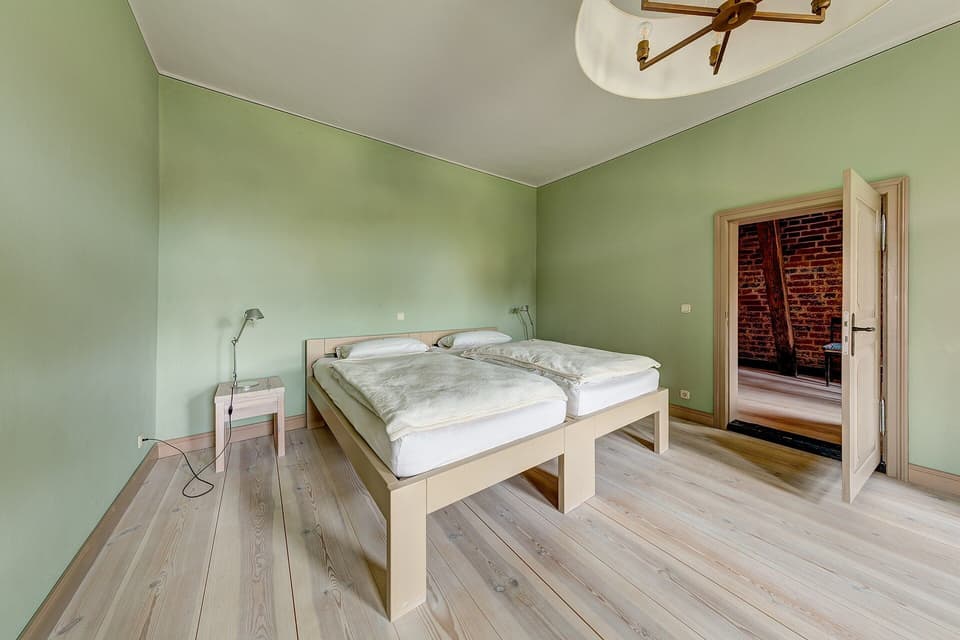
The Quiet Month is my version of a Dry January retreat, stretched to the whole month. Up to four guests, one calm place, and a routine already built: low-carb, keto-style shared meals, exercise every day at a pace that suits you, 10 to 20 minutes of meditation (always optional), outings, and coffee and long conversation in the evenings. One free day a week. Each guest lives in their own private flat, about ten minutes' walk from me.
The rule is simple: no smoking, no alcohol, no drugs for the whole month. Prescribed medicine is always allowed.
About me, honestly: a few years ago I stopped drinking and smoking and changed how I eat, move and rest. I am self-taught in nutrition. I am not a doctor or a counsellor. The Quiet Month is not medical, not therapy and not rehab. Every guest needs a doctor's fit-to-join letter, travel insurance with medical cover, and to be 21 or over.
I don't publish where I am. After a video call, if we both want to go ahead, I tell you the country and city before you sign anything. The programme fee is on the price page, a typical day is on the month page, and the house rules are in the code of conduct. If you want January, apply early: the call, the doctor's letter and flights all take time, and there are only four places.
Already did Sober October?
If you took October off and January feels like the next step, you are in good company. I wrote about the months in between in after Sober October: how to keep going into November. And if you are not sure what you want from a sober month yet, the sober curious retreat guide is a gentle place to start.
Questions people ask
What is a Dry January retreat?
A stay away from home in January where nobody drinks alcohol, from a weekend to the whole month. It is a holiday with a routine, not medical care.
Who runs Dry January?
Dry January is a campaign by the UK charity Alcohol Change UK. It started in 2013 with about 4,000 people. Its Try Dry app and daily emails are free.
When should I book a Dry January retreat?
In early December, or sooner. You get better choice and prices, and time to check with a doctor if you need to. For The Quiet Month, apply early so there is time for the video call, the doctor's letter and flights.
Is it safe to stop drinking on 1 January?
For many people, yes. But if you drink heavily or every day, or have felt unwell when you stopped before, stopping suddenly can be dangerous. Talk to a doctor first.
Sources
- Alcohol Change UK: The Dry January story (started 2013 with 4,000 people; 215,000 sign-ups in 2024)
- Alcohol Change UK: Dry January and the Try Dry app (includes the safety note for people who are dependent)
- de Visser, Robinson and Bond (2016), Health Psychology: Voluntary temporary abstinence from alcohol during "Dry January" and subsequent alcohol use (PubMed) (857 adults, six-month follow-up)
- Richard de Visser in The Conversation, republished by Sleep Review (Jan 2025): reported benefits of Dry January (4,232 adults; 56% sleep, 52% energy, 63% money)
- Case et al. (2021), Drug and Alcohol Dependence: Dry January and drinking in England (no large population-level change)
- BPS Research Digest: How long does it take to form a habit? (Lally et al., UCL) (average 66 days, range 18 to a predicted 254)
- MedlinePlus (US National Library of Medicine): Alcohol withdrawal
- Find A Helpline: free helplines in many countries
Prices and facts were checked on 23 October 2026. Prices change; always check the source before you book anything.
Want to try the rhythm at home first? Read the free 7-day plan: a quiet week at home. Walks, simple low-carb meals, short meditations and a printable checklist. No sign-up.