Guide · Food and drink
What to drink instead of alcohol: 30 ideas, sorted by moment
The glass was never really the problem; the empty hand is. Here are thirty things to drink instead of alcohol, sorted by the moment you would normally reach for one, with the label small print and the sugar traps explained.
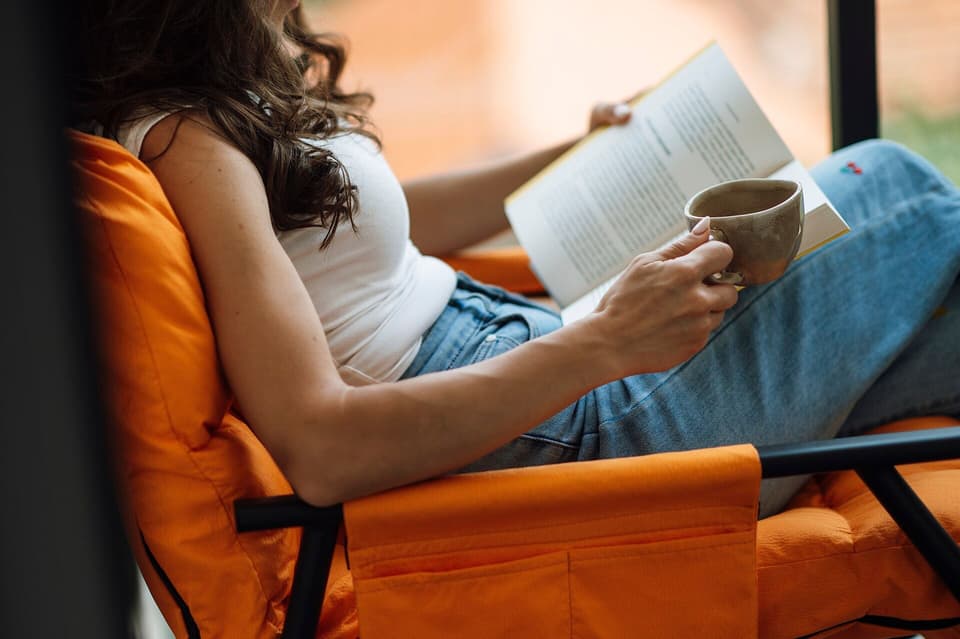
Photo is illustrative, not from a past month. Credits.
When people take a month off alcohol, they expect to miss the alcohol. Most of them are surprised to find they mostly miss the ritual: the sound of the cap at 6 pm, the heavy glass, the little "the day is over now" moment. The good news is that the ritual is portable. You can keep the glass, the ice, the clink and the pause, and change what goes in it.
So this is a practical list of what to drink instead of alcohol, sorted by the moment you would usually pour one. I am self-taught in nutrition and I eat low-carb, so I have a bias towards drinks without much sugar. I have marked the sweet ones honestly rather than pretending a mango smoothie is basically water.
Please read this first. If you drink heavily or every day, or use other drugs daily, stopping suddenly can be dangerous. Talk to a doctor before you stop. The Quiet Month is not medical, not therapy and not rehab. In a crisis, call your local emergency number or find a free helpline at findahelpline.com. More in our questions.
The short version
- Copy the ritual, not the drink. Same glass, same time, same ice.
- Sparkling water is the workhorse. Add citrus, herbs, cucumber or bitters-style flavours.
- "Alcohol-free" does not always mean zero. Check the label if you need none at all.
- Watch the sugar. Juice, sodas and many mocktails swap one habit for another.
- Watch the caffeine after lunch, or the new evening drink will cost you your sleep.
First: what the labels actually mean
Before the list, the small print, because "alcohol-free" is a slippery phrase.
- In the UK, government guidance says "alcohol free" should be used only for drinks from which alcohol has been removed and which contain no more than 0.05% alcohol by volume (ABV). "De-alcoholised" means no more than 0.5%, and "low alcohol" means no more than 1.2%. The UK government has consulted on raising the "alcohol free" line to 0.5%, so check the bottle rather than the word.
- In the US, "non-alcoholic" drinks are generally those under 0.5% ABV. The US Alcohol and Tobacco Tax and Trade Bureau (TTB) counts kombucha as an alcohol beverage if it reaches 0.5% or more at any point, including after bottling, because it can keep fermenting in the bottle.
- Elsewhere, rules vary. Many countries use 0.5% as a common line.
For most people taking a month off, a 0.5% beer is a very different thing from a 5% one. But if you have been told by a doctor to avoid alcohol completely, or you simply want a clean zero, look for 0.0% on the label. Not "low". Not "lite". Zero.
The market has noticed
You are not alone at the bar with your lime soda. In January 2026, the drinks research firm IWSR estimated that global volumes of no-alcohol beer, wine, spirits and ready-to-drink cans grew by about 9% in 2025, and forecast 36% growth from 2024 to 2029, to over 18 billion servings. Translated: the choice in shops and bars is getting better every year, and the days of "orange juice or tap water" are mostly over.
At 6 pm: the "end of the day" drink
This is the big one. The drink that marks the line between work and evening. Make it feel like an occasion.
- Sparkling water, lots of ice, a fat wedge of lime, in your best heavy glass. The classic for a reason.
- Sparkling water with cucumber and mint. Looks expensive, costs pennies.
- Sparkling water with grapefruit peel and a pinch of salt. Bitter, adult, surprisingly good.
- A sugar-free tonic with lime and a sprig of rosemary. All the ritual of a gin and tonic. Check the label; many tonics are quite sweet.
- Iced green or black tea, brewed strong and cooled, with lemon. Mind the caffeine (more below).
- Cold-brewed hibiscus tea. Deep red, tart, caffeine-free, looks like something you'd pay for.
- A 0.0% beer, very cold, in a proper beer glass. For many people this one ends the craving fastest because it tastes like the thing they miss.
At dinner: something to sip with food
- Sparkling water in a wine glass. Sounds silly. Works.
- An alcohol-free red or white, if you find one you like. Quality varies a lot; try a few before you judge the whole category.
- Chilled rooibos with a slice of orange. Caffeine-free, a little like a light red in colour.
- Verjus with soda. Verjus is the pressed juice of unripe grapes, sharp and food-friendly. It does contain natural fruit sugar, so keep it to a splash.
- A shrub: a little drinking vinegar with soda water. Tangy, cuts through rich food. Traditional shrubs are sweetened, so look for low-sugar ones or make your own.
- Still water with a squeeze of lemon, in a jug on the table. Boring? Maybe. But the person with a full water glass rarely notices the wine list.
At the bar: quick orders that need no explaining
At a bar you need something you can say in two seconds, because pauses are where "go on, just one" lives. My guide to not drinking when your friends do has more on the social side.
- "Soda and lime, tall, lots of ice." Every bar on earth can do it.
- "Your best alcohol-free beer." Lets the bartender show off.
- "An alcohol-free cocktail, not too sweet." Those last three words matter.
- Soda with a few dashes of bitters. Note: aromatic bitters are made with alcohol. A few drops in a long glass is a tiny amount, but if you want strictly none, skip them.
- Ginger beer with lime, once in a while. Tasty and usually sweet, so it's a sometimes drink.
- An espresso, late in a long night. Nobody questions it. Your sleep might; see below.
In the afternoon: the slump drink
A lot of evening drinking starts as a 4 pm slump. Fix the slump and the evening is easier.
- A big glass of cold water first. The NHS suggests 6 to 8 cups or glasses of fluid a day as a general guide, more when it's hot or you're active. Thirst and tiredness feel surprisingly alike.
- Green tea, hot or iced. Gentler caffeine than coffee for most people.
- Peppermint tea. Caffeine-free and good after a heavy lunch.
- Sparkling water with a splash of unsweetened cranberry or a few crushed berries. Colour and taste, very little sugar.
- Bone broth or a clear soup in a mug, if you eat low-carb. Savoury, warm and filling; many people find it stops the hunt for crisps.
At bedtime: the wind-down drink
If your old habit was a nightcap, you need a new full stop for the day. Keep it warm and caffeine-free.
- Chamomile tea. The classic, for a reason.
- Rooibos, plain or with a little cinnamon.
- Hot water with lemon and fresh ginger. Simple, warming, nothing to it.
- Warm milk or a warm unsweetened nut milk with cinnamon or nutmeg, if dairy or nuts suit you.
Many people find their sleep changes a lot in a month without alcohol. My guide to sleep without alcohol covers what often happens in the first few weeks.
For celebrations: when you want something that pops
- An alcohol-free sparkling wine in a proper flute. Toast with it; nobody checks your glass at a wedding.
- Sparkling water with a few frozen berries dropped in. They sink, they fizz, they look like a party.
The three traps
1. Sugar
Swapping three glasses of wine for three cans of cola is a sideways move, not a step up. The NHS advises keeping fruit juice and smoothies to one small glass a day, ideally with a meal, because they are high in sugar, and suggests swapping sugary drinks for diet, sugar-free or no-added-sugar versions. Many mocktails are mostly juice and syrup. Ask for "not too sweet", or go for the soda-and-citrus end of the list.
2. Caffeine
When the wine goes, coffee and tea often quietly move into the evening. The US Food and Drug Administration (FDA) says that 400 mg of caffeine a day is an amount not generally linked to negative effects for most healthy adults, but that people vary a lot in how sensitive they are. Even decaf coffee is not quite caffeine-free: the FDA says a typical 8-ounce cup has about 2 to 15 mg. If your sleep gets worse after you stop drinking, look at your afternoon cups before anything else. Pregnant? Ask your doctor; the advice is different.
3. "Just like the real thing"
For some people, a drink that tastes exactly like beer or wine is a helpful stand-in. For others, it keeps the old habit warm. You'll know which you are within a week. If the 0.0% beer makes you want a real one, switch to something that tastes nothing like alcohol, like hibiscus tea or soda and grapefruit, and see if that's easier.
What about fasting?
If you follow an eating window, some of these drinks fit outside it and some don't; anything with milk, juice, broth or sugar counts as food to most people. In The Quiet Month, I set each guest's eating window myself after our video call, and adjust it as the month goes on, so I'll tell you then what fits. Please don't copy a fasting plan from the internet without talking to your doctor first. My gentle guide to intermittent fasting explains the basics.
Make it a habit, not a punishment
- Buy one nice glass just for your new evening drink.
- Stock the fridge before day one: sparkling water, limes, a 0.0% beer or two, a box of herbal tea.
- Keep little or no alcohol at home. The NIAAA's Rethinking Drinking guide suggests exactly this if drinking at home is a habit you want to change.
- Pair it with something: the 6 pm drink and a short walk, the bedtime tea and a paper book.
- Try one new drink a week. By the end of the month you'll have a favourite, and a story about the one that tasted like a garden hose.
A month where the drinks question is already solved
Some people find all of this easier away from their usual fridge and their usual bar. The Quiet Month is a month for up to four guests in one calm place: shared low-carb, keto-style meals, daily exercise, short meditation and long talks, with no alcohol, no smoking and no drugs for the whole month. It is not medical, not therapy and not rehab.
- Minimum stay: one month. Programme fee: US$10,000 for the month. You book and pay for your own flat, flights and insurance.
- Start dates: the first month starts on 1 January 2027, then on the 1st of every month. You can apply at any time.
- How to pay: after a free video call and a signed agreement, a US$1,000 deposit by bank transfer or Western Union, then the balance in two halves on day 1 and day 15.
- Where: the country and city are shared after the video call and before you sign. I never publish where I am.
See how a day works, the price and what's included, and the safety steps.
Try it at home first, for free
The free 7-day plan for a quiet week at home has walks, simple low-carb meals, short meditations and a printable checklist. The 31-day planner covers a whole month on one page. If you'd like the week by email, join my occasional letters; one click to unsubscribe.
Pick one drink from this list for tonight. Put ice in your best glass. Clink it against nothing in particular. You're doing fine.
Questions people ask
What can I drink instead of alcohol in the evening?
Sparkling water with lime or cucumber, sugar-free tonic with citrus, cold-brewed hibiscus tea, a 0.0% beer, or herbal tea later on. Keep the ritual: the same glass, the same time and plenty of ice.
Do alcohol-free drinks contain alcohol?
Some do, a little. UK guidance says "alcohol free" should mean no more than 0.05% ABV and "de-alcoholised" no more than 0.5%. In the US, "non-alcoholic" generally means under 0.5%. If you need none at all, look for 0.0% on the label.
Is kombucha alcohol-free?
Not always. Kombucha is fermented and can keep fermenting in the bottle. The US TTB counts kombucha as an alcohol beverage if it reaches 0.5% ABV or more at any point. If you want zero, choose another drink or check the label carefully.
Are mocktails healthy?
Many are mostly juice and syrup, so they can be high in sugar. The NHS suggests keeping juice and smoothies to one small glass a day. Ask for "not too sweet", or choose soda-and-citrus drinks instead.
What do guests drink during The Quiet Month?
No alcohol at all for the whole month, and no smoking or drugs. Meals are shared, low-carb and keto-style, and Sami sets each guest's eating window after the video call. The Quiet Month is not medical, not therapy and not rehab.
Sources
- GOV.UK: Low alcohol descriptors (guidance) ("alcohol free" up to 0.05% ABV; "de-alcoholised" up to 0.5%; "low alcohol" up to 1.2%)
- GOV.UK consultation: Updating labelling guidance for no and low alcohol alternatives (proposal to raise the "alcohol free" line to 0.5%)
- US TTB: Kombucha general requirements (0.5% ABV or more at any time, including after bottling)
- IWSR (22 January 2026): No-alcohol and functional drinks both booming, but for different reasons (about +9% no-alcohol volume in 2025; +36% forecast 2024 to 2029; over 18 billion servings)
- NHS: Water, drinks and hydration (6 to 8 glasses of fluid a day; one small glass of juice a day; swap sugary drinks)
- US FDA: Spilling the beans, how much caffeine is too much? (400 mg a day for most healthy adults; decaf 2 to 15 mg per 8 oz)
- NIAAA, Rethinking Drinking: Tips to try (keep little or no alcohol at home)
Prices and facts were checked on 23 October 2026. Prices change; always check the source before you book anything.