Seasonal · Sober travel
Dry January abroad: where and how to spend a sober month
A sober month at home is a test of willpower. A sober month somewhere else is mostly a test of planning, which is far easier to pass. Here is how to choose the place, the budget and the routine, and how not to undo it all at the airport on the way home.
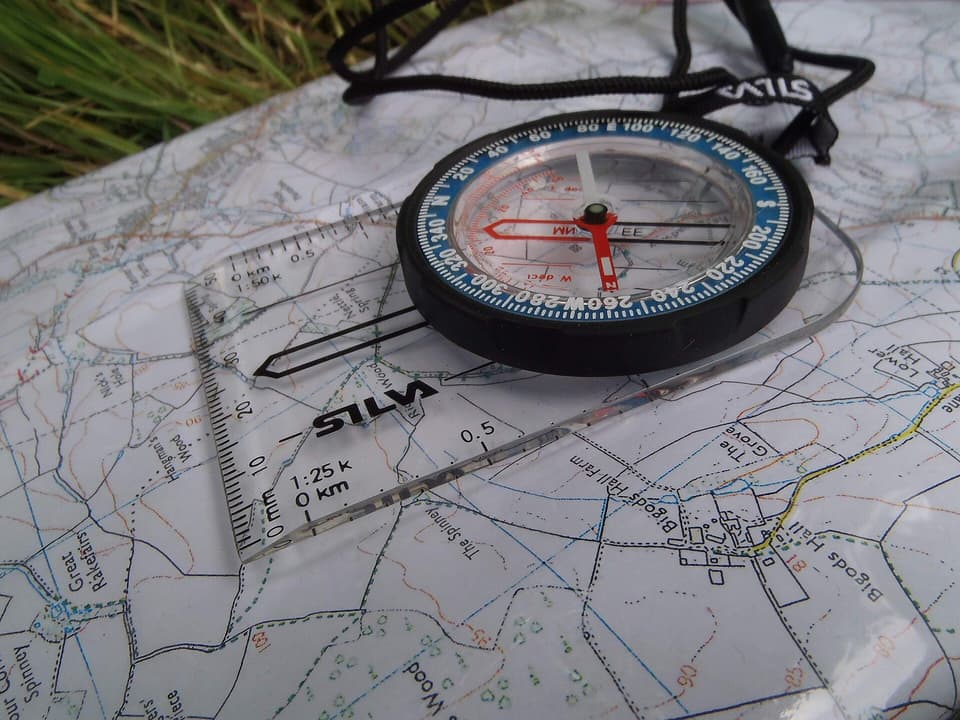
Photo is illustrative, not from a past month. Credits.
There is a particular kind of January evening that has ended many good intentions. It is dark by half past four. It is raining in a way that suggests it has no plans to stop. There is half a bottle of something left over from Christmas in the cupboard, and it is Friday. Nobody would design a month to make stopping drinking harder. And yet, every year, millions of us try exactly that.
Dry January abroad is the simple alternative: spend some or all of the month somewhere else, where the routine is new, the cupboard is empty and the evenings are planned. It is not an escape from your life. It is a month of practice in a place that makes practice easier. This guide covers who it suits, how to choose a place, the paperwork, the money, a daily routine, company, and the bit everyone forgets: coming home.
Please read this first. If you drink heavily or every day, or use other drugs daily, stopping suddenly can be dangerous. Talk to a doctor before you stop. The Quiet Month is not medical, not therapy and not rehab. In a crisis, call your local emergency number or find a free helpline at findahelpline.com. More in our questions.
Who a Dry January abroad suits (and who it doesn't)
It suits you if you can take the time, you've tried a dry month at home and February undid it, or you simply want to give one January your full attention. It suits people who are fine without alcohol for a day or two but find the routine is the hard part: the 6pm pour, the Friday ritual, the friend who always says "go on".
It is not the right move if you need medical help to stop. If you drink heavily or every day, or feel shaky, sweaty or unwell when you go without, stopping suddenly can be dangerous, and doing it far from your own doctor is a bad idea. See a doctor first. A trip is a holiday with a routine. It is not medical care. I wrote about the difference in sober month retreat, sober living or a rehab centre.
How to choose the place
Travel magazines love a list. Time Out's sober travel list in January 2025 included Chiang Mai, Reykjavik, Istanbul, Bali, Marrakech and Sydney. A 2024 data analysis published by Matador Network, built on TripAdvisor reviews and WHO alcohol data, put Iceland, Italy, Norway, Denmark and Japan at the top. Those lists are a fine start, but a month is not a weekend. For a month, ask six plainer questions.
- How much daylight is there in January? This matters more than people think. Reykjavik has only about four and a half hours of daylight on 1 January, rising to about seven by the end of the month. Beautiful, and very dark. Further south, or in the southern hemisphere, you get long days in which a morning walk is easy.
- Can you walk everywhere? A month built on walks, markets and cafés needs a place where you can do them on foot. A car-only resort can be lonely by week two.
- Is alcohol the centre of the evening? Skip the party district and the places famous for nightlife, however good the deal. You want a café culture, not a bar culture.
- Is the food simple and good? Markets, fish, vegetables, eggs. If you like eating low-carb, see my keto travel food guide.
- What time is it at home? If you'll still be answering the odd work email, a time zone two or three hours away is much kinder than eight.
- Can you stay a month legally? See the paperwork section below.
For more ideas, see my wider guide to the best places for a sober month abroad.
The paperwork: visas, insurance and medicine
- Visas. Check the rules for your passport, early. For example, many non-EU visitors may spend up to 90 days in any 180-day period in the Schengen area without a visa, but that depends on your nationality, and other countries have their own rules. A month is usually fine; a month on top of a long autumn trip may not be.
- Travel insurance with medical cover. Not optional. Read what it says about pre-existing conditions.
- Medicine. Take enough for the whole month plus a week, in original packaging, with a copy of your prescription. Never stop prescribed medicine for a dry month.
- A note from your doctor is sensible if you have a health condition and plan to change how you eat or exercise.
The money: what a month abroad costs
A month away has three big costs: where you sleep, what you eat, and how you get there. Here is a rough way to think about the choices. Prices vary wildly by place and season, so read this as a shape, not a quote.
| On your own, in a rented flat | A hotel | A small hosted month | |
|---|---|---|---|
| The routine | You build it | You build it | Built for you |
| Alcohol nearby | Only if you buy it | Minibar and bar downstairs | None in the group |
| Company | Your own | Strangers at the bar | A small group |
| Cost | Lowest | Middle to high | Highest |
| The risk | Lonely by week two | The bar at 6pm | Price, and fitting the group |
A flat beats a hotel for a month for most people: a kitchen, a washing machine, a neighbourhood, and no minibar. If you do choose a hotel, ask for the minibar to be emptied before you arrive. Many will, if asked. For what longer, hosted stays cost, see what a one month wellness retreat costs.
A daily routine that works anywhere
The point of going away is that the old routine stays at home. So bring a new one. It doesn't need to be clever. It needs to be the same every day.
- Morning: water, daylight, then coffee. No phone for the first half hour. My guide to a morning routine while travelling has seven habits that survive a new city.
- Before lunch: move. A long walk, a swim, some simple strength work.
- Afternoon: explore, read, rest. A museum, a market, a nap. This is a holiday, after all.
- 6pm: the hard hour. Have a plan: a walk at sunset, a proper dinner, a long call home.
- Evening: a book, a film, a conversation. Screens off an hour before bed.
- Once a week: a free day, with nothing planned at all.
Write the first week down before you fly. "I'll see how I feel" is how most dry months abroad turn into a holiday with wine.
Rowan is our AI assistant. Please keep health details for the video call.
Alone, with a friend, or in a small group?
Alone is the most freedom and the most quiet. It's lovely for the first ten days and can get lonely after that; my checklist for travelling alone for a month helps. With a friend is great if your friend is also not drinking. If they are, it is a different month. A small group, three to six people doing the same thing, gives you company at dinner without the noise of a crowd. I wrote about how that works in sober group travel.
Whichever you choose, tell one person at home what you're doing, and message them on the hard evenings. A buddy who knows is worth more than a hundred who don't.
Work: how to get a month off
For many people, the real obstacle isn't money. It's the calendar. A few honest options:
- Use January leave. January is quiet in many jobs. Ask early, in October or November, before others do.
- Work part of it. A few hours each morning, then the rest of the day is yours. Not ideal, but better than no month.
- Ask about a short sabbatical. My guide to a wellness sabbatical covers how to ask, and there is a page for employers if yours wants to know more.
Coming home without undoing it
The airport is the first test: the lounge, the free glass on the plane, the "well, it's over now". Decide before you leave what your first week home looks like. Some ideas:
- Keep the morning. Same wake-up time, same walk, at home.
- Plan the first Friday home. It's weekend two all over again.
- Choose three habits and write them on a card for the fridge: one about drinking, one about mornings, one about evenings.
- Keep the free tools. The charity's free Try Dry app works in February too, and my 31-day planner works in any month.
For the full plan from December to February, read Dry January 2027: a practical plan that actually lasts.
The Quiet Month: a hosted January abroad
If you like the idea of a January abroad but not of building it yourself, this is what I do. The first Quiet Month starts on 1 January 2027. Up to four guests. Each lives in their own private flat about ten minutes' walk from me. We share simple low-carb meals, move every day at a pace that suits you, sit for 10 to 20 minutes of meditation (always optional), explore, and talk over coffee in the evenings. Intermittent fasting is part of the month; I set each guest's eating window and adjust it to them, and if you feel unwell, you eat. One free day a week.
The rule is no alcohol, no smoking, no drugs for the whole month. Prescribed medicine is always allowed. You keep your own phone, passport, money and key, and you can leave whenever you like.
Honestly: I'm self-taught, not a doctor or counsellor. The Quiet Month is not medical, not therapy and not rehab. Every guest is 21 or over and brings a doctor's fit-to-join letter and travel insurance. I don't publish where I am. After a free video call, if we both want to go ahead, you learn the country and city before you sign anything. The fee is US$10,000 for the month; your flat and flights are extra, and nothing is paid before the call and a signed agreement. All of it is on the Dry January 2027 page.
"Dry January" is a registered trademark of Alcohol Change UK. The Quiet Month is not linked to the charity.
Questions people ask
Is it easier to do Dry January abroad?
For many people, yes, because a new place removes the old routine: no bottles in your cupboard, a new daily rhythm and planned evenings. It still needs a plan, especially for 6pm and Friday nights.
Where is good for a sober January?
Somewhere walkable, with good daylight in January, simple food and a café culture rather than a bar culture. Lists from Time Out and Matador Network are a start, but daylight, time zone and visa rules matter more for a whole month.
Do I need a visa for a month abroad?
It depends on your passport and the country. For example, many non-EU visitors may spend up to 90 days in any 180-day period in the Schengen area without a visa. Always check the official rules for your nationality.
Should I stay in a hotel or a flat?
For a month, a flat usually works better: a kitchen, a neighbourhood and no minibar. If you choose a hotel, ask for the minibar to be emptied before you arrive.
Is The Quiet Month part of Dry January?
No. Dry January is a campaign and registered trademark of Alcohol Change UK. The Quiet Month is a separate, paid month that happens to start on 1 January 2027.
Sources
- Time Out (January 2025): the best sober travel destinations
- Matador Network (June 2024): the best countries for sober travel, by data (TripAdvisor reviews plus WHO and UN alcohol data)
- Iceland Tours: daylight hours in Iceland (about 4.5 hours on 1 January in Reykjavik)
- EEAS (EU): visa-free travel in the EU Schengen area (90 days in any 180-day period)
- Alcohol Change UK: Dry January and the Try Dry app (includes the safety note for people who are dependent)
- CivicScience, January 2026: Dry January participation is up, completion rates slip
- Find A Helpline: free helplines in many countries
Prices and facts were checked on 24 October 2026. Prices change; always check the source before you book anything.