Travel · Flying
Not drinking on a flight: the airport bar, the lounge, the trolley and jet lag
Airports have a curious relationship with time. It can be 7am, and the bar by gate 22 is busy, and nobody finds this strange, because "you're on holiday" or "it's been a long week". Then the trolley comes, then the lounge on the way back. If you have decided not to drink, the journey is often the first test of the trip. Here is why it is worth passing, what a 2024 sleep study found about alcohol at cabin altitude, and a practical plan from security to arrival.
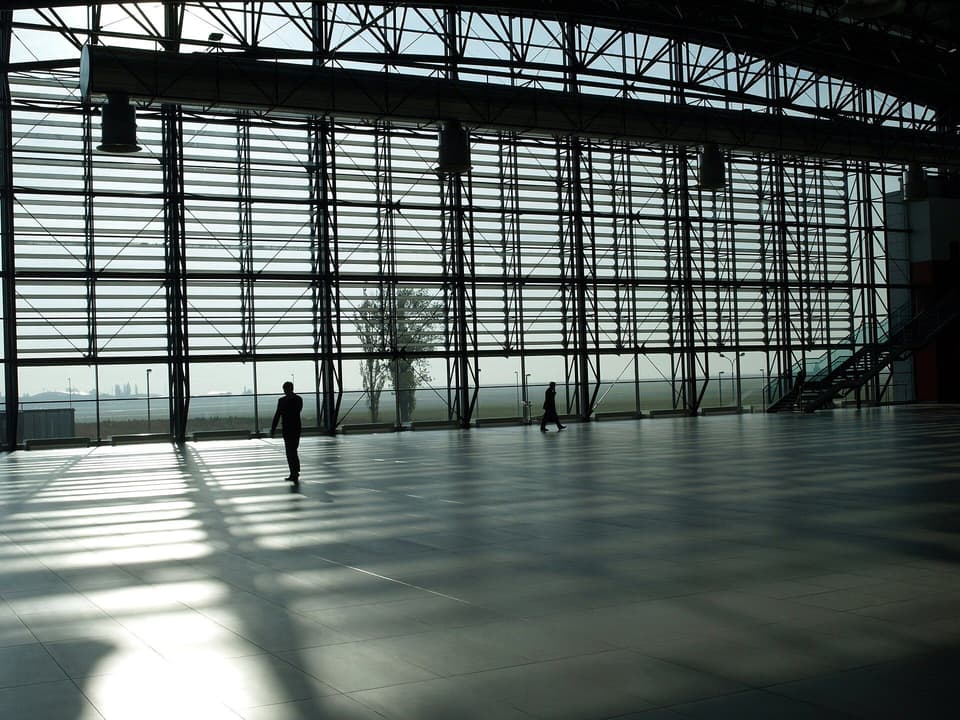
Photo is illustrative, not from a past month. Credits.
Quick answer. Skipping alcohol on a flight usually means better sleep on board and an easier arrival. A 2024 study in Thorax found that alcohol plus cabin-like air pressure lowered sleeping volunteers' blood oxygen and raised their heart rate more than either alone. Plan your airport drink (something you like, alcohol-free), skip the lounge bar, drink water on board, and get outside in daylight when you land. If you drink heavily or every day, talk to a doctor before you stop.
There is a rule at airports that nobody wrote down but everybody follows: normal time stops at security. Breakfast can be a pint. Lunch can be champagne. A coffee at 3pm can quietly become a gin and tonic, because you are "basically on holiday". Then the trolley comes round at 35,000 feet, and the lounge on the way home has a self-service wine fridge, and by the time you land, the trip has already had its first three drinks.
If you have decided not to drink, for a month, for a trip or for good, the journey is where the decision first meets the world. I run an alcohol-free month for up to four guests, and most of them arrive after a long flight, so I have seen the difference a sober journey makes on day one. This guide is the practical version: why it is worth it, and how to do it without feeling like the only person at the gate drinking water.
Please read this first. If you drink heavily or every day, or use other drugs daily, stopping suddenly can be dangerous. Talk to a doctor before you stop. The Quiet Month is not medical, not therapy and not rehab. In a crisis, call your local emergency number or find a free helpline at findahelpline.com. More in our questions.
Why the drink on a plane hits differently
Most people have noticed that a drink in the air seems to do more than the same drink on the ground. There is now a good study on what happens when you drink and then sleep on a plane.
In 2024, researchers at the German Aerospace Center's Institute of Aerospace Medicine, with RWTH Aachen University, published a study in the journal Thorax (Trammer and colleagues). Healthy adults aged 18 to 40 slept for four hours either in a normal sleep lab or in an altitude chamber set to the air pressure of a typical airliner cabin (about 2,400 metres, or 8,000 feet), some nights after drinking alcohol and some nights without. The combination of alcohol and cabin-like air pressure had the biggest effect: the volunteers' blood oxygen fell to a median of about 85% (below the 90% that doctors usually use as a line), and their heart rate rose to about 88 beats a minute while they slept. Their deep sleep was also shorter.
A few honest limits: these were young, healthy volunteers in a lab, not passengers on a real flight, and four hours is not a long-haul night. But the authors' point was simple, and it is a reasonable one: alcohol and cabin air together put more strain on the body than either alone, and the effect is likely larger in older people and in anyone with a heart or lung condition. If that is you, ask your own doctor about flying before a long trip.
Jet lag: the other reason
The NHS advice on jet lag is short and sensible: drink plenty of water, don't drink too much caffeine or alcohol because they can make jet lag worse, try to sleep if it is night-time where you are going, and go outside during the day when you arrive, because natural light helps your body clock adjust. None of that is glamorous. All of it is easier without a drink. Many travellers who stop drinking on flights say the arrival day is where they notice the difference first.
A plan, from security to arrival
- Before you leave home: eat a proper meal and decide what you will drink at the airport. A plan made at home beats a decision made at the bar.
- At the airport: buy your drink of choice first (a coffee, a fresh juice, a sparkling water, an alcohol-free beer if you like one) and carry it. A drink in your hand ends most offers before they start. Walk, rather than sit at the bar. Airports are long; use them.
- Duty free: walk through, not around. The spirits are usually by the entrance for a reason. You can go straight to the books and the snacks.
- On board: when the trolley comes, know your order: water, plus a tomato juice, a ginger ale or a tea. Ask for extra water; cabin crew are used to it. Fill a bottle after security if your airport allows it.
- Sleep: if it is night where you are going, eye mask, ear plugs and a film you've seen before. You don't need a nightcap to sleep on a plane, and the study above suggests the sleep is better without one.
- Landing: daylight, a walk, a light meal, an early night in local time. Your first evening sets the pattern for the trip.
Rowan is our AI assistant. Please keep health details for the video call.
The lounge, and the free bar problem
Airport lounges are a special test, because everything in them is already paid for. The same pull that makes an all-inclusive tricky applies here: it feels wasteful not to. A few things help. Go straight to the coffee machine and the food. Sit away from the bar. Many lounges now stock alcohol-free beer and wine or make a decent mocktail; ask at the bar, with confidence, as if it is the most normal order in the world (it increasingly is). And if the lounge is the risky part of your trip, you are allowed to skip it and walk the terminal instead.
A small fact worth knowing: on US airlines, federal rules say you may only drink alcohol on board if the airline serves it to you (14 CFR 121.575), so the miniature in your bag is not supposed to come out anyway. Many other airlines have similar rules. One less thing to think about.
Five-second answers for the trolley and the bar
- "Just a water and a tea, please."
- "I'm not drinking this trip."
- "I want to sleep, so nothing for me, thanks."
- "What alcohol-free drinks do you have?"
If a travel companion is drinking, you don't need to make a point of it. The guides on sober group travel and what to drink instead of alcohol help here, and if you are flying for work, so does how to not drink on a business trip.
Arriving: the first 24 hours
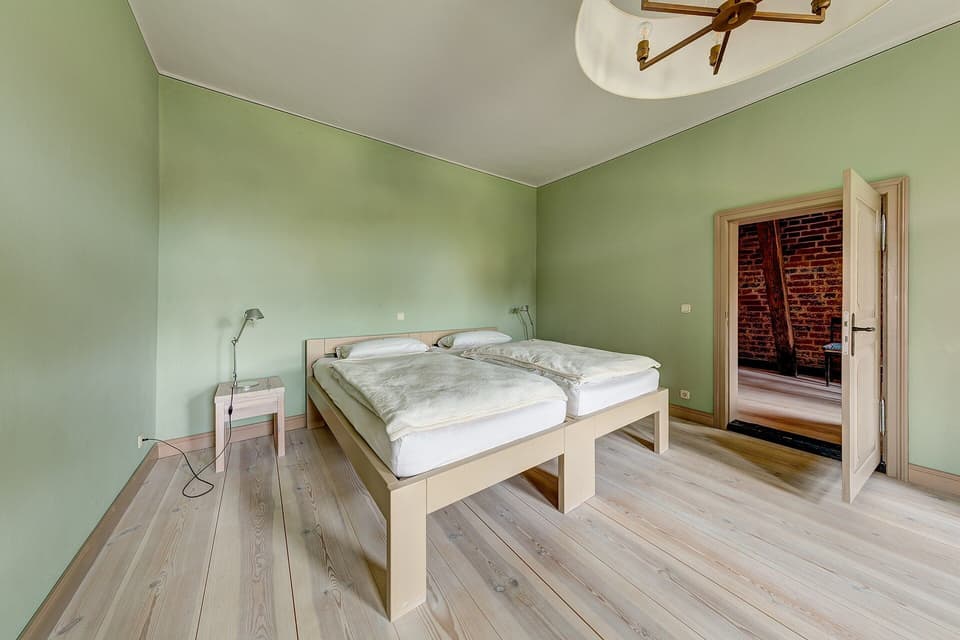
The first evening in a new place is when many good intentions wobble: you are tired, a bit giddy, and the hotel bar is right there. Plan it. Check in, shower, go outside for daylight, eat a proper meal, go to bed in local time. My guide to sleep without alcohol covers the first few nights, and a morning routine while travelling gives you a simple start for day two.
If the trip is a long one, the same idea scales up. A sober month abroad, travelling alone for a month and Dry January abroad all start at the airport. And if you simply want a shorter alcohol-free break, dry tripping and the classic alcohol-free holiday are the place to start.
Still choosing where to fly? See 10 alcohol-free holiday resorts and retreats, with real prices.
The flight home
The journey back is where many sober trips quietly end. "Well, it's over now" at the departure gate has undone a lot of good weeks. Plan the flight home like the flight out: your drink of choice at the airport, water on board, a meal and an early night when you land. Then notice how the next morning feels. It is often the best argument you will ever hear for doing it again.
Where The Quiet Month fits
Most Quiet Month guests fly in, so the journey is the first day of the month in all but name. The first month starts on 1 January 2027, with up to four guests. Each guest lives in their own private flat a short walk from me. We share simple low-carb meals, move every day at a pace that suits you, sit for a short, always optional meditation, explore, and talk over coffee in the evenings. The rule is no alcohol, no smoking, no drugs for the whole month. You keep your own phone, passport, money and key, and you can leave whenever you like. The US$10,000 programme fee covers the month itself; your flat, flights, visas and insurance are extra.
Honestly: I'm self-taught, not a doctor or counsellor. The Quiet Month is not medical, not therapy and not rehab. Every guest is 21 or over and brings a doctor's fit-to-join letter and travel insurance. The location is never published; after a free video call, if we both want to go ahead, you learn the country and city before you sign anything. Nothing is paid before that call and a signed agreement. See January 2027: the founding guests, or start free with 30 Quiet Days.
Want to see what a whole month away looks like? The founding month, January 2027 (up to four guests), and the key facts on one page.
Questions people ask
Is it bad to drink alcohol on a plane?
A 2024 study in Thorax found that in healthy young volunteers, alcohol plus cabin-like air pressure lowered blood oxygen during sleep (to a median of about 85%) and raised heart rate more than either alone. It was a lab study, not a real flight, but it is a good reason to skip the drink, especially if you plan to sleep. If you have a heart or lung condition, ask your doctor about flying.
Does alcohol make jet lag worse?
The NHS says too much caffeine or alcohol can make jet lag worse. It also advises drinking plenty of water, sleeping if it is night where you are going, and getting outside in daylight when you arrive.
Can I drink my own alcohol on a plane?
On US airlines, federal rules say you may only drink alcohol that the airline serves you (14 CFR 121.575). Many other airlines have similar rules. Check with your airline.
What can I drink on a plane instead of alcohol?
Water first, then whatever you enjoy: tea, coffee early in the flight, tomato juice, ginger ale, sparkling water. Many airlines and lounges now offer alcohol-free beer or wine too.
What if I drink every day?
Please talk to a doctor before you stop. If you drink heavily or every day, stopping suddenly can be dangerous, and a long flight is not the place to find that out.
Sources
- Trammer et al. (2024), Thorax: Effects of moderate alcohol consumption and hypobaric hypoxia on sleep, oxygen saturation and heart rate (PubMed) (German Aerospace Center + RWTH Aachen; median SpO2 85.3%, heart rate 87.7 bpm)
- News-Medical: summary of the same study
- NHS: jet lag
- 14 CFR 121.575, Alcoholic beverages (Cornell Legal Information Institute) (US airlines)
- Alcohol Change UK: Dry January and the Try Dry app
- Find A Helpline: free helplines in many countries
Prices and facts were checked on 25 October 2026. Prices change; always check the source before you book anything.