Habits · Mornings, anywhere
Morning routines that survive travel: 7 small habits for hotels, jet lag and early starts
At home you have a lovely morning routine. Water, stretch, coffee, ten quiet minutes. Then you check into a hotel, wake at 4am with your body convinced it is lunchtime, and eat a croissant in a lift. Here is why routines collapse on the road, and seven small habits that survive almost any trip.
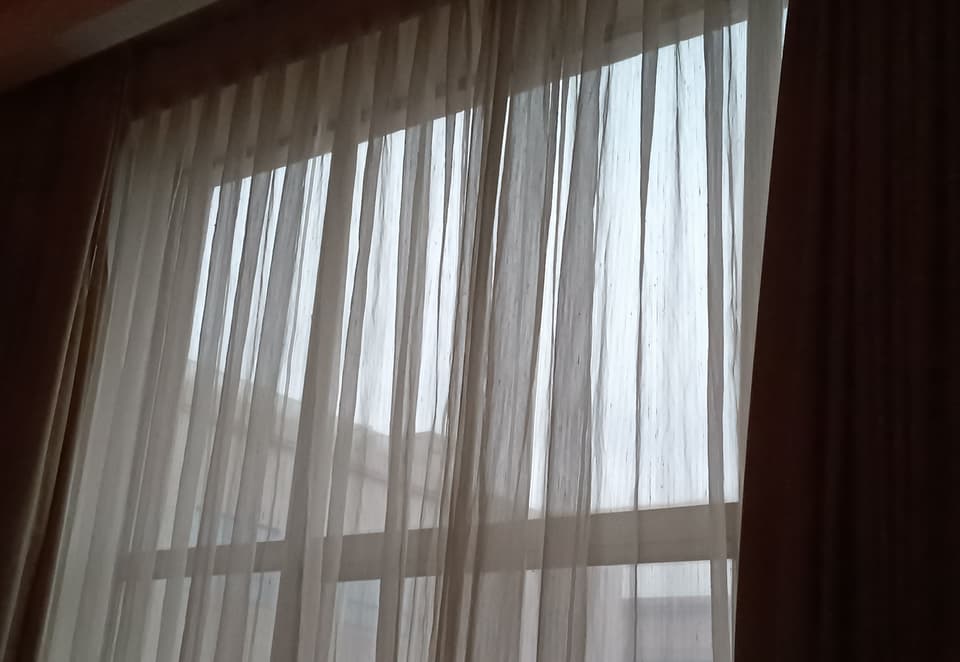
Photo is illustrative, not from a past month. Credits.
Every productivity book has a chapter on the perfect morning. Up at five, cold shower, journal, run, green smoothie, gratitude, and a 30-minute meditation before most people have found their slippers. Lovely. Now do it in a hotel room in a different time zone, with a 7.30am meeting, a kettle that smells faintly of soup and a curtain that lets in the car park lights.
That is the real test of a morning routine while travelling. Not whether it is impressive, but whether it survives. This guide explains why routines fall apart the moment you leave home, what the research on habits says about it, and gives you seven small habits that work in almost any room, any time zone and any schedule. No smoothies required.
Why your routine falls apart when you travel
It is not that you lack willpower in hotels. It is that most of our habits are quietly held up by our surroundings. The same kitchen, the same mug, the same shelf where the running shoes live. Remove the surroundings and the habit wobbles.
Psychologists have studied this. In a 2005 study, Wendy Wood, Leona Tam and Melissa Guerrero Witt followed students who were moving to a new university. Habits such as exercising, reading the paper and watching TV were more likely to change when the places and cues around them changed. In other words, a new setting loosens old habits, both the ones you like and the ones you don't.
And habits take time to build in the first place. In a well-known 2009 study (published 2010), Phillippa Lally and colleagues at University College London asked 96 people to repeat a new daily behaviour. On average it took 66 days for it to feel automatic, with a huge range from 18 to 254 days. A morning routine that is two months old is still young. One trip can knock it over.
The good news hides in the same research: a change of setting is also a chance to start a better habit. That is partly why a month away can be such a good reset.
The golden rule: shrink it, don't drop it
When people travel, they tend to go all or nothing. Either they try to do the full 75-minute home routine in a strange room, or they give up on day one and start again "when I get back". Both fail.
The trick is a travel version of your routine: the smallest form of each habit that still counts. Ten push-ups instead of the gym. Two minutes of breathing instead of twenty. A walk round the block instead of the 10k. It sounds too small to matter. It matters a great deal, because it keeps the thread unbroken, and an unbroken thread is easy to pick up again at home.
Seven morning habits that survive travel
Pick three or four. You don't need all seven, and you definitely don't need them all on the morning of a long-haul flight.
- Water before anything else. A full glass, ideally from a bottle by the bed. Planes and hotel air are dry, and it is the easiest win of the day. In places where tap water isn't safe, use sealed bottled water.
- Daylight in the first hour. Open the curtains, step onto the balcony, or walk to get your coffee rather than ordering it to the room. Light is one of the strongest signals for your body clock, and the CDC's advice on jet lag leans heavily on getting light at the right times.
- Ten minutes of movement. A brisk walk, a few stretches, squats and push-ups by the bed, or a swim if the hotel has a pool. The World Health Organization recommends adults get 150 to 300 minutes of moderate activity a week; ten minutes each morning is a solid start on that, and it works in any room.
- Five quiet minutes. Sit on the edge of the bed, set a timer, and breathe slowly. That's it. My guide to meditation styles for beginners has six simple styles if you want more variety.
- A sensible first meal, or a planned wait. Protein first, and skip the pastry mountain. My low-carb breakfast ideas that travel well covers buffets, planes and airport cafés. If you eat within a time window, keep to it, and see my guide to intermittent fasting for beginners for who should talk to a doctor first.
- Coffee early, not late. Enjoy it in the morning, then go easy after lunch. In a 2013 study, Christopher Drake and colleagues found that a large dose of caffeine taken even six hours before bed cut sleep by more than an hour. On a trip, when sleep is already fragile, the afternoon espresso is rarely worth it.
- Phone last, not first. Do at least one of the above before you look at email or the news. The inbox will still be there. My guide on how to stop doomscrolling has more on keeping the phone out of the first and last hour of the day.
The if-then trick that makes it stick
The most useful habit tool I know is also the simplest. Instead of "I will exercise in the morning", decide exactly when and where: "If I wake up in a hotel, then I will do ten minutes of stretches before I shower." Psychologists call these implementation intentions.
In a 2006 review of 94 studies, Peter Gollwitzer and Paschal Sheeran found that people who made if-then plans were noticeably more likely to reach their goals than people who simply intended to. The plan hands the decision to the situation, so you don't have to rely on a groggy 6am brain.
A few travel if-thens to borrow:
- If I arrive at the hotel, then I put my trainers by the door.
- If I wake before my alarm, then I drink the water by the bed and open the curtains.
- If there is a breakfast buffet, then I go to the egg station first.
- If I reach for my phone in bed, then I stand up and put it on the desk.
Jet lag mornings
Time zones are where most travel routines go to die. A little science helps. According to the CDC's travel health guidance, the body clock adjusts by about 1 hour a day after flying east and about 1.5 hours a day after flying west, because our internal day runs slightly longer than 24 hours and it is easier to stay up late than to get up early.
- Shift before you go. The CDC suggests moving your sleep by about an hour a day for two or three days before the trip: earlier for eastward flights, later for westward ones.
- Get light at the right time. Morning light in your new time zone generally helps after flying east; evening light helps after flying west. A walk outside is free and works better than any gadget.
- Eat and move on local time from the first morning. Breakfast at local breakfast time, even if it feels like the middle of the night.
- Go easy on alcohol on the plane. It dries you out and makes sleep worse. My guide to sleep without alcohol explains why.
- Ask your doctor before using melatonin or any sleep medicine. Rules and products vary by country, and they don't suit everyone.
The tiny hotel-room kit
A routine survives better when its tools come with you. All of this fits in a small pouch:
- A refillable water bottle (empty through airport security, filled after).
- An eye mask and earplugs, for curtains that don't close and neighbours who do (loudly).
- A resistance band or a skipping rope. Weighs nothing; turns any room into a small gym.
- Trainers you actually like. If they are ugly and uncomfortable, they stay in the bag.
- A paper notebook for three lines in the morning: today's one important thing, one thing you are looking forward to, one person to message.
- Your own tea or coffee, if the hotel's is grim. A small comfort from home is a strong cue.
For a whole month away, my one-month packing list covers the rest.
Routines for business travellers
Frequent business travel is where routines fall apart most often, because the schedule belongs to someone else. A few things help. Book flights that let you sleep a normal night where you can. Ask for the breakfast meeting at 8.30, not 7. Block 20 minutes in your own diary each morning and guard it like a meeting with an important client.
If you lead a team, remember that people copy the boss. A leader who answers email at 5am in every time zone teaches everyone that mornings belong to work. And if a key person is running on empty after a year of airports, a calm month to rebuild their routines can be a good business decision. There is a page for employers that explains how a company can pay for a month. My guide to switching off from work on holiday has more on handing over properly.
When it falls apart anyway
It will. A 3am delay, a lost bag, a conference dinner that ends at midnight. One missed morning doesn't erase your habit; the Lally study found that missing a single day did not make much difference to how habits formed over time. What matters is the next morning.
So keep one non-negotiable, the smallest one: the glass of water, or opening the curtains. On the worst day of the trip, do just that. Tomorrow, do a little more. That is the whole secret. The perfect morning is a nice idea; the morning you actually do is the one that counts.
And if your mornings are really suffering, perhaps from too many late nights, too much alcohol or too many airports, it may be time for something longer than a better hotel. A month with a steady rhythm lets a new routine bed in properly, since habits take weeks, not days.
Mornings, done together: The Quiet Month
This is what I offer, so here is the plain version. The Quiet Month is a calm, healthy-living month for up to four guests, lived alongside me. A month is long enough for a new morning routine to start feeling like yours:
- US$10,000 for one month, the programme fee. One month is the minimum.
- Your own private flat, which you book and pay for yourself, in your own name, about ten minutes' walk from me.
- Daily exercise together, a short optional meditation, shared low-carb, keto-style meals, outings, a free day each week and long talks over coffee.
- Intermittent fasting is part of the month: I set each guest's eating window and adjust it as we go. If you feel unwell, you eat. I am self-taught in nutrition, not a doctor.
- One rule: no smoking, no alcohol, no drugs for the month. Prescribed medicine is always allowed.
The Quiet Month is not medical, not therapy and not rehab. Every guest needs a doctor's fit-to-join letter, travel insurance and to be 21 or over. I don't publish where I am; after our video call, if we both want to go ahead, I tell you the country and city before you sign.
Dates, applying and paying
- Start dates: the first month starts on 1 January 2027, then on the 1st of every month. You can apply at any time.
- Steps: apply (about five minutes), then a free video call, then a written agreement.
- Paying: a US$1,000 deposit by bank transfer or Western Union, part of the fee, then the balance in two halves on day 1 and day 15. Nothing is paid before the call and the agreement.
See how a day works, the price and what's included and the safety steps. Not ready for a month? Try my free 7-day plan for a quiet week at home. And tomorrow morning, wherever you wake up: water, curtains, ten minutes. Then the world.
The Quiet Month team
Questions people ask
How do I keep a morning routine while travelling?
Make a small travel version of your routine: the smallest form of each habit that still counts, such as ten minutes of movement instead of the gym. Tie each habit to a clear cue with an if-then plan ("If I wake up in a hotel, then I stretch before I shower"), and pack the tools, such as trainers, a water bottle and a resistance band.
Why do my habits fall apart on holiday or business trips?
Many habits are held up by cues in your usual surroundings: the same kitchen, the same times, the same people. Research on students moving to a new university found habits were more likely to change when those cues changed. New habits also take time; one study found an average of 66 days for a daily behaviour to feel automatic.
What is the best morning routine for jet lag?
Get up and eat on local time from the first day, get daylight at the right time (generally morning light after flying east, evening light after flying west), move a little and go easy on caffeine later in the day. The CDC says the body clock adjusts by about 1 hour a day after flying east and 1.5 hours a day after flying west. Ask your doctor before using melatonin.
How much exercise do I need in the morning when travelling?
Even ten minutes helps keep the habit going. The World Health Organization recommends 150 to 300 minutes of moderate activity a week for adults. A brisk walk to find breakfast, a few stretches or bodyweight exercises by the bed all count.
What is The Quiet Month, and when does it start?
A calm month for up to four guests: daily exercise, shared low-carb meals, short meditation and long talks, with no alcohol, smoking or drugs. It is not medical and not rehab. US$10,000 for the month, and you pay your own flat. The first month starts on 1 January 2027, then the 1st of every month. Apply any time.
Sources
- Wood W, Tam L, Witt MG (2005), Journal of Personality and Social Psychology 88(6): Changing circumstances, disrupting habits (students moving university; habits changed when cues changed)
- Lally P, van Jaarsveld CHM, Potts HWW, Wardle J (2010), European Journal of Social Psychology 40(6): How are habits formed (96 people; median 66 days, range 18 to 254)
- Gollwitzer PM, Sheeran P (2006), Advances in Experimental Social Psychology 38: Implementation intentions and goal achievement (review of 94 studies)
- CDC Yellow Book: Jet lag disorder (about 1 hour a day east, 1.5 hours a day west; shifting sleep before the trip)
- World Health Organization: Physical activity fact sheet (150 to 300 minutes of moderate activity a week)
- Drake C, Roehrs T, Shambroom J, Roth T (2013), Journal of Clinical Sleep Medicine 9(11): Caffeine effects on sleep taken 0, 3, or 6 hours before going to bed (sleep cut by more than an hour even at 6 hours)
- The Quiet Month: for employers (how a company can pay for a month)
Prices and facts were checked on 23 October 2026. Prices change; always check the source before you book anything.