Travel · Solo, but steady
Travelling alone for a month: a calm checklist (from passport to Tuesday evenings)
A month on your own somewhere new sounds like a film. Then it is 6am, you are in an airport with two bags, one passport and nobody to watch the luggage while you find the loo. Here is a calm, practical checklist for travelling alone for a month: papers, money, safety, the loneliness nobody mentions, and how to keep the days steady.
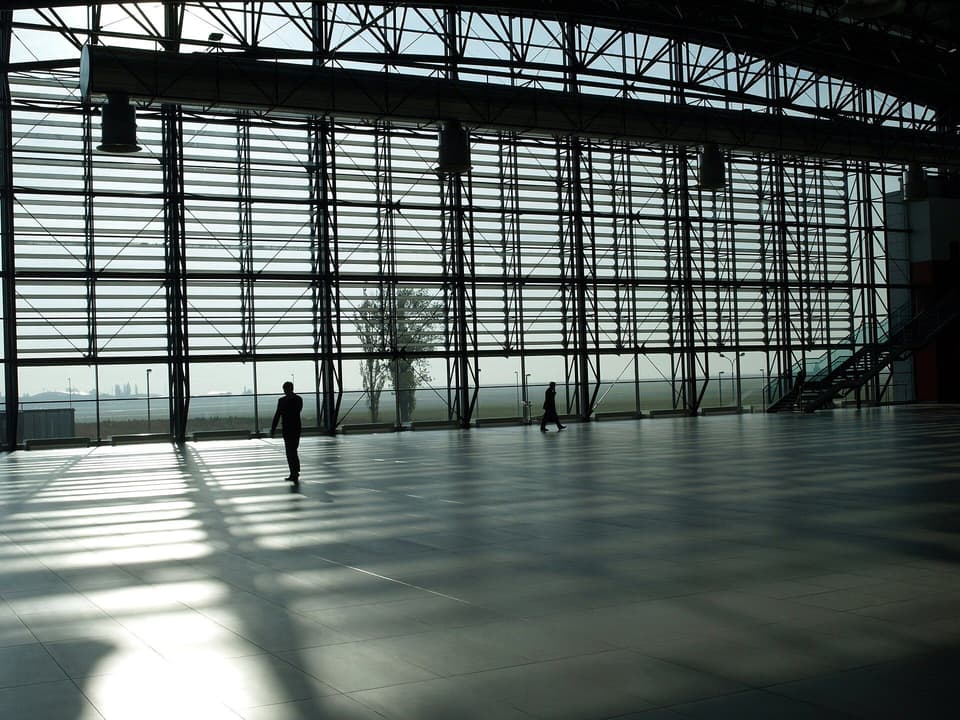
Photo is illustrative, not from a past month. Credits.
A weekend alone is easy. You eat where you like, sleep when you like and nobody asks if you have "seen the castle yet". A week alone is a small adventure. But travelling alone for a month is a different animal. Around day ten the novelty wears off, the laundry piles up, and you notice you have not said a full sentence out loud since you ordered coffee on Monday.
None of that is a reason not to go. It is a reason to plan a little. This checklist covers the boring paperwork, the money, staying safe without being scared, the loneliness that sneaks up on almost everyone, and how to give a month a shape so it doesn't dissolve into scrolling in a rented room. It is written by someone who once spent three days alone in a new city and realised the only person he had spoken to was a pigeon. The pigeon was a poor listener.
Why a month alone is different from a week alone
A short trip runs on excitement. A month runs on routine. In the first week everything is new: the street, the shop, the way people queue (or don't). By week two, you need the things you have at home without noticing: a place to buy decent food, a way to move your body, someone to talk to, and a reason to get up at a sensible hour.
So the checklist below is in two halves. The first half is the classic travel stuff that keeps you legal, paid and safe. The second half is the part most solo travel guides skip: how to stay steady and connected for thirty days.
Six weeks before: the paper checklist
Paperwork is dull until it ruins your trip. Do it early, then forget about it.
- Passport validity. Many countries want your passport to be valid for months after you arrive, and some want blank pages too. Check the entry rules for every country you will pass through, not just the one you are going to. The UK government's foreign travel advice and the US State Department both list entry requirements country by country.
- Visas and day limits. A month is long enough to bump into rules that a week never touches. For example, most non-EU visitors to the Schengen area may stay up to 90 days in any 180-day period, and the EU's own short-stay calculator counts it for you. If you have already travelled in Europe this year, check it.
- New border systems. The EU's Entry/Exit System (EES) began on 12 October 2025 and records non-EU travellers' entries, exits, fingerprints and a photo at the border. It may mean a few extra minutes at the airport. Allow time.
- Travel insurance for the whole month, including medical cover and getting you home if something goes wrong. Read the small print on how long a single trip can last; some annual policies cap each trip at a few weeks.
- Register your trip. US citizens can enrol in the free Smart Traveler Enrollment Program (STEP) to get safety alerts and help the embassy reach them. Many other governments have something similar.
- See your doctor and pharmacist about vaccines, and bring enough of any prescribed medicine for the whole month plus a week, in original packaging, with a copy of the prescription.
- Copies of everything: passport, insurance, bookings. One copy in your email, one on paper in a different bag.
Money for a month alone
Solo travel has one cruel maths problem: you pay for a whole room, a whole taxi and a whole bottle of water, with nobody to split it. Hotels and tours often add a "single supplement" on top. A month magnifies all of it.
- Two cards, kept apart. One in your wallet, one in your bag back at the flat. If one is lost or blocked, you can still eat.
- Tell your bank you are travelling, if your bank still asks, and check the fees for spending and taking cash abroad. Small fees over thirty days add up to a nice dinner.
- A little local cash for the first day: a taxi, a coffee, a tip.
- Budget by the week, not the trip. Rent, food, transport, one or two outings, and a "something went wrong" line. Week one always costs more; you are still finding the cheap good bakery.
- Rent by the month, if you can. Many flats and apartment hotels give a lower nightly rate for a full month, and having a kitchen saves money and keeps your eating sensible.
Staying safe, calmly
Most solo trips are uneventful in the best way. A few habits make them more so, without turning you into someone who checks under the bed.
- Someone at home knows your plan. Share your address, your flights and a rough weekly plan with one person you trust, and agree a simple check-in, such as a message every evening.
- Arrive in daylight when you can, with the first night booked and the route from the airport worked out.
- Read the government travel advice for where you are going, and look up the local emergency number before you need it.
- Keep your phone charged and carry a small power bank. Offline maps of your area are worth the two minutes they take.
- Trust the uneasy feeling. If a bar, a taxi or a person feels wrong, leave. You owe nobody an explanation.
- Drink less, or not at all. Alcohol makes people easier to rob, easier to lose and worse at noticing either. Travelling sober is quietly one of the best safety tips there is. My guide to dry tripping covers alcohol-free travel in more detail.
The part nobody packs for: loneliness
Here is the honest bit. Many people who travel alone for a month love it, and many of them also have a few evenings where they feel very alone. Both are normal. You are not doing it wrong.
Loneliness is common everywhere, not just on the road. In 2025 the World Health Organization's Commission on Social Connection reported that about 1 in 6 people worldwide is affected by loneliness, and linked it to roughly 871,000 deaths a year. So it is worth planning for, the way you plan for rain.
A cheerful research finding helps here. In a 2014 study, Nicholas Epley and Juliana Schroeder asked commuters on trains and buses in Chicago to talk to a stranger, sit in silence, or do as they normally would. People expected talking to a stranger to be unpleasant. Afterwards, those who talked reported a more pleasant journey than those who sat alone. We tend to underestimate how much a small chat will lift us, and how willing the other person is.
Ways to build a little company into a month alone:
- Become a regular. The same café every morning, the same table. By day five, someone knows your order. It is a surprisingly warm feeling.
- Join something weekly: a running group, a language class, a cooking class, a walking tour. A fixed time each week gives the month landmarks.
- Book one phone call a week with someone at home, at a set time, like an appointment. Video calls count. Endless messaging doesn't quite.
- Eat at the bar or counter, not at a table for one in the corner. Conversation happens more easily side by side.
- Be kind to yourself on the low evenings. Early night, a good book, a walk in the morning. Most low evenings look different after breakfast.
Company can come from home, too. Our Circles are small online groups of real people with one good question a day (the Quiet Evenings circle is for exactly those long evenings), opening in waves. Rowan, our AI assistant, is there day or night to help you plan tomorrow, though he is an AI and not a substitute for people. And if you'd like new friends who don't build every evening around a bar, read how to find sober friends as an adult.
If low feelings last for weeks, or you feel unsafe, please talk to a doctor or someone you trust. In a crisis, call the local emergency number or find a free helpline at findahelpline.com.
Give the month a shape
A month without a shape turns into the same day thirty times, usually starting at 10.30am. A light weekly rhythm fixes that:
- A morning anchor. Up at roughly the same time, water, daylight, a short walk. My guide to morning routines that survive travel has seven simple habits that work in any time zone.
- Move every day. A walk, a swim, a run, a class. Exploring on foot counts double: exercise and sightseeing at once.
- Cook some meals. A kitchen is cheaper, calmer and better for you than three restaurant meals a day. A market trip twice a week gives the week a rhythm too.
- One plan a day, not five. One museum, one walk, one long lunch. The best moments of solo travel often happen in the empty time around the plan.
- One free day a week with nothing booked at all. Laundry, a nap, a book in the park.
- Write three lines each evening. Where you went, who you spoke to, one thing you enjoyed. A month goes fast; you will be glad of the notes.
If you like the idea of slower days, my piece on slow living explains why less really can be more on a long trip.
Taking a month off work to travel alone
For many people the hardest part of a month away is not the flight but the conversation with the boss. Ask early, in writing, with a clear handover plan and a date you will be back. Turn on a firm out-of-office and agree in advance who decides what while you are gone. My guides on a wellness sabbatical and on switching off from work on holiday walk through both.
Some companies will help pay for a key person to take a proper month to rest and reset, because a calm, healthy leader is good for business. If that might be you, there is a page for employers you can forward to whoever signs off the budget.

The one-page checklist
Print it, screenshot it, or copy it onto the back of your boarding pass.
- Papers: passport valid long enough, visa or day-limit checked, insurance for the full month, trip registered, copies made.
- Health: doctor and pharmacist seen, medicine for a month plus a week, prescription copy packed.
- Money: two cards kept apart, fees checked, a little local cash, weekly budget written down.
- Safety: plan shared, daily check-in agreed, first night booked, local emergency number saved, offline maps downloaded.
- Company: one weekly class or group found, one weekly call booked, a "regular" café in mind.
- Shape: morning anchor, daily movement, some cooking, one plan a day, one free day a week.
Packing for it? My one-month packing list fits in a carry-on and a small bag. And for the free 31-day quiet month planner, one box a day, see the planner page.
Alone, but not on your own: The Quiet Month
This is what I offer, so here is the plain version. The Quiet Month is a calm, healthy-living month for up to four guests, lived alongside me. It is made for people who want a month away from their usual life, but not a month of eating dinner alone:
- US$10,000 for one month, the programme fee. One month is the minimum.
- Your own private flat, which you book and pay for yourself, in your own name, about ten minutes' walk from me. Your own front door, always.
- Daily exercise together, shared low-carb, keto-style meals, a short optional meditation, outings, a free day each week, and long talks over coffee in the evening.
- An eating window that I set for each guest and adjust through the month. I am self-taught in nutrition, not a doctor.
- One rule: no smoking, no alcohol, no drugs for the month. Prescribed medicine is always allowed.
The Quiet Month is not medical, not therapy and not rehab. Every guest needs a doctor's fit-to-join letter, travel insurance and to be 21 or over. I don't publish where I am; after our video call, if we both want to go ahead, I tell you the country and city before you sign.
Dates, applying and paying
- Start dates: the first month starts on 1 January 2027, then on the 1st of every month. You can apply at any time.
- Steps: apply (about five minutes), then a free video call, then a written agreement.
- Paying: a US$1,000 deposit by bank transfer or Western Union, part of the fee, then the balance in two halves on day 1 and day 15. Nothing is paid before the call and the agreement.
See how a day works, the price and what's included and the safety steps. Not ready for a month? Try my free 7-day plan for a quiet week at home. And wherever you go: say hello to the person at the next table. They are probably hoping someone will.
The Quiet Month team
Questions people ask
Is it safe to travel alone for a month?
For most people in most places, yes, with sensible habits: share your plan with someone at home, agree a daily check-in, arrive in daylight, read your government's travel advice, save the local emergency number, and drink little or no alcohol. Travel insurance with medical cover for the full month is essential.
How do I avoid feeling lonely when travelling alone?
Build company into the month on purpose: become a regular at one café, join a weekly class or group, book a set weekly call with someone at home, and eat at the counter rather than a corner table. A 2014 study found that people enjoyed talking to strangers on their commute more than they expected.
How much does a month of solo travel cost?
It depends hugely on the place, but solo travellers pay the full cost of rooms and taxis, and sometimes a single supplement. Budget by the week, rent a flat by the month if you can (monthly rates are often lower), cook some meals, and keep a line for things that go wrong.
How long can I stay in Europe without a visa?
Most non-EU visitors who don't need a visa can stay in the Schengen area for up to 90 days in any 180-day period. The EU has an online short-stay calculator. Rules depend on your nationality, so always check the official sources before you book.
What is The Quiet Month, and when does it start?
A calm month for up to four guests: your own flat, shared meals, daily exercise, short meditation and long talks, with no alcohol, smoking or drugs. It is not medical and not rehab. US$10,000 for the month, and you pay your own flat. The first month starts on 1 January 2027, then the 1st of every month. Apply any time.
Sources
- GOV.UK: Foreign travel advice (entry requirements by country)
- European Commission: Schengen border crossing and short stays (with the short-stay calculator) (90 days in any 180-day period)
- Travel Europe (EU): Entry/Exit System (EES) (started 12 October 2025; fingerprints and photo for non-EU travellers)
- US Department of State: Smart Traveler Enrollment Program (STEP)
- World Health Organization (30 June 2025): Social connection linked to improved health and reduced risk of early death (1 in 6 people affected by loneliness; about 871,000 deaths a year)
- Epley N, Schroeder J (2014), Journal of Experimental Psychology: General 143(5): Mistakenly seeking solitude (commuters enjoyed talking to strangers more than they expected)
- Find A Helpline: free helplines in many countries
- The Quiet Month: for employers (how a company can pay for a month)
Prices and facts were checked on 24 October 2026. Prices change; always check the source before you book anything.