Planning · Packing list
What to pack for a wellness retreat: a one-month list (and what to leave behind)
A month away is not four weekends stuffed into one suitcase. Here is a calm, tested way to pack for thirty days of walking, swimming, simple food and early nights, with the papers that matter most at the top.
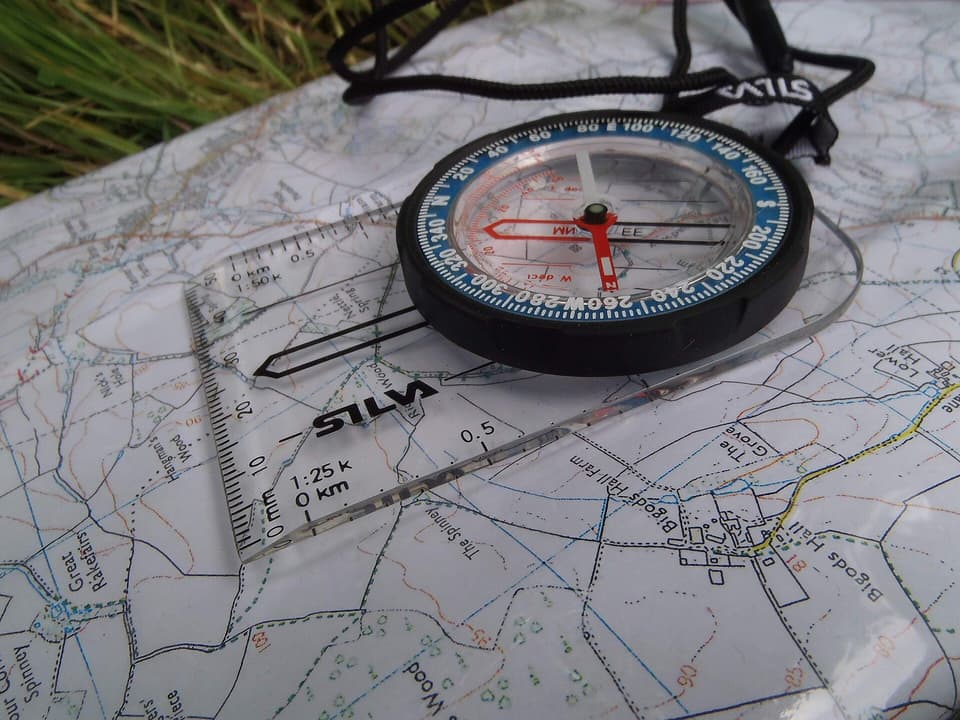
Photo is illustrative, not from a past month. Credits.
Most packing lists for a wellness retreat are written for five nights at a resort: three yoga outfits, a nice robe you won't need because they give you one, and a scented candle for some reason. A month is different. You will do laundry. You will walk a lot. You will have a fridge. And you will spend more evenings in a quiet flat than you are used to.
This is the list I would give a guest of The Quiet Month, written so it works for any long, healthy-living stay abroad. It starts with the boring things, because the boring things are what ruin a trip if you forget them.
Not medical advice. I am self-taught in nutrition, and I am not a doctor. For medicines and health papers, follow your doctor and the rules of the country you are going to. If you drink heavily or every day, talk to a doctor before you stop. The Quiet Month is not medical, not therapy and not rehab.
The short version
- Papers first: passport, visa if needed, travel insurance, doctor's letter, copies of everything.
- Medicines: enough for the whole stay plus a margin, in original packaging, in your hand luggage.
- Clothes for one week, not four. Plan to wash.
- Good walking shoes you have already worn in.
- Small calm things: a notebook, a paper book, earplugs, an eye mask, a cheap alarm clock.
- Leave at home: alcohol, cigarettes, vapes, nicotine pouches, and about a third of what you first put in the case.
1. Papers: the part that actually matters
- Passport. Check the expiry date today. Many countries want it valid for several months after you arrive; six months is a common rule, but it varies, so check the entry rules for your destination.
- Visa, if your nationality needs one for a stay of a month or more. Some visa-free stays are shorter than you think.
- Travel insurance with medical and evacuation cover for the whole stay. For The Quiet Month, this is required. Keep the policy number and the emergency phone line on paper as well as on your phone.
- Your doctor's fit-to-join letter. For The Quiet Month, your doctor confirms you can do low-carb eating, intermittent fasting, daily exercise and a month without alcohol. Bring a copy.
- Copies of prescriptions, for medicines and glasses. The US CDC's travel health checklist lists these under documents to carry.
- Your emergency contact, written down, not only saved in a phone that might go flat.
- Your flat booking, in your own name, with the address and the host's contact.
Keep a photo of each page in a secure place you can reach from any device, and a paper copy in a different bag from the original.
2. Medicines and health basics
Prescribed medicine is always allowed during The Quiet Month. The rules for carrying it across borders are set by each country, not by me. The UK's national travel health service, NaTHNaC, gives clear advice:
- Check the destination's rules on bringing in medicines, through its embassy or official travel advice. Some common medicines are controlled in some countries.
- Ask your prescriber for a letter listing your medicines by their generic names. It can help at border checks.
- Keep medicines in their original, labelled pharmacy packaging.
- Carry them in your hand luggage, with a small spare supply in your checked bag in case one bag goes missing.
- Take enough for the whole stay plus possible delays. A month away is long enough for a flight to go wrong at either end.
For liquids in hand luggage, the US TSA limit is 100 ml (3.4 oz) per item in one quart-sized bag; medicines have their own exemption. Other countries have similar rules, and a few airports have changed theirs, so check with your airline.
A small kit
The CDC's "Pack smart" list is a good base. Adapted for a month of daily exercise, I would bring:
- Sunscreen with UVA and UVB protection (the CDC suggests SPF 15 or higher; many people choose higher).
- Insect repellent with an active ingredient like DEET or picaridin.
- A small first-aid kit: plasters, blister plasters, a few bandages, and whatever simple pain relief your doctor is happy for you to take.
- Your health insurance card and the travel insurance documents.
3. Clothes: pack for a week, wash for a month
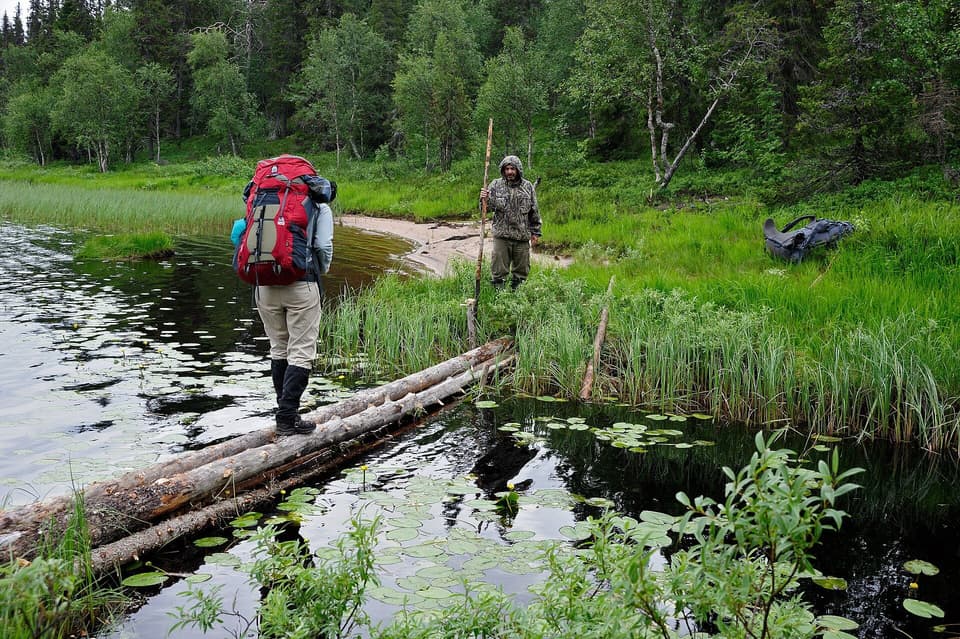
A normal day in The Quiet Month includes exercise together (walking, swimming, strength and stretching), shared meals and an outing or a long talk. So the case is mostly movement clothes and a few things you'd wear to a nice, simple dinner.
- Three sets of exercise clothes. Quick-dry fabric saves a lot of laundry stress.
- Walking shoes, worn in. New shoes on day 1 are how blisters introduce themselves.
- A second, lighter pair of shoes or sandals for evenings.
- Swimwear, two if you swim most days, plus a light towel.
- Seven days of everyday clothes, in colours that all go together.
- Layers: a light fleece or jumper and a thin rain jacket. Mornings and evenings are cooler than you expect almost everywhere.
- A sun hat and sunglasses.
- Something that covers shoulders and knees, for places where that is the custom.
- One smarter outfit, for the evening you want to feel nice. No black tie required. I own one jacket, and it is mostly a theory.
I can't tell you the weather here, because the place is only shared after the video call. Once you know it, adjust the list. Ask me about laundry when you see the flat listing.
4. Small things that make a quiet month easier
- A notebook and a pen. The last week of the month is spent planning what you keep at home. Notes from week one help a lot.
- A paper book or two. Evenings without alcohol are longer. A book makes them feel generous rather than empty.
- A cheap alarm clock, so your phone can sleep in another room. My digital break month guide explains why this one small thing matters.
- Earplugs and an eye mask. A new flat means new street sounds and new curtains.
- A refillable water bottle. You'll carry it everywhere.
- A plug adapter and a short extension lead, so you don't sleep next to a socket on the far side of the room.
- A small daypack for walks and outings.
- Supplements, if you already take them. Bring them in their original containers and mention them on our video call.
5. Food: bring less than you think
All shared meals are included in The Quiet Month: low-carb, keto-style food with some fruit, and a daily eating window that I set and adjust to each guest. So there is no need to pack snacks for the month. If you want something familiar for the flight, nuts or a few hard-boiled eggs travel well (check the food rules of the country you land in; some are strict about fresh food).
If you have allergies or foods you can't eat, tell me on the application or the call, not in your suitcase. My keto travel food guide covers eating well on the way there.
6. Money and payments
- Two cards from different banks, kept in different bags, plus a little local cash once you arrive.
- Tell your bank you're travelling, so they don't block your card on day 2.
- Check you can send an international bank transfer from abroad. For The Quiet Month, the balance is paid in two halves, on day 1 and day 15, by bank transfer or Western Union. Some banks need a code sent to a home phone number, so set that up before you leave.
- Budget for your own spending: the flat, flights, visas and insurance are not included in the programme fee.
7. What to leave at home
- Alcohol, cigarettes, vapes and nicotine pouches. The rule is no alcohol, no smoking and no drugs for the whole month, and vapes and nicotine pouches count. Not even "just for the flight home". Prescribed medicine is always fine.
- The "just in case" pile. Most people who pack for a month bring back a third of their clothes unworn. Be ruthless.
- Expensive jewellery and watches you'd be sad to lose.
- Work, if you can. If you must bring a laptop, decide your work hours before you go, and keep them short.
- A full kitchen. You don't need your blender. Promise.
8. The flight there
Travel day is the first day of the month, even if the month officially starts later. A few things help:
- Skip the drinks trolley. A 2024 lab study in Thorax found that alcohol combined with cabin-like air pressure lowered sleepers' blood oxygen and raised their heart rate. A small study, but a good excuse for water.
- Drink water, walk the aisle, and get daylight on your face soon after you land.
- Arrive a day or two early if you can, so day 1 isn't also jet-lag day.
A printable checklist
- Four weeks before: passport expiry, visa, travel insurance, doctor's appointment for your fit-to-join letter and prescriptions.
- Two weeks before: medicines for the stay plus spare, prescriber's letter, copies of all papers, bank set up for international transfers.
- One week before: wear in your walking shoes, lay out a week of clothes, then take a third away.
- Two days before: notebook, book, earplugs, alarm clock, adapter, water bottle, sunscreen, first-aid kit.
- On the day: medicines and papers in your hand luggage, one spare set of clothes too, and an early night the night before.
Want to practise before you pack? The free 7-day plan for a quiet week at home lets you try the routine at home first, and the 31-day planner covers a full month. If you'd like the week by email, join my occasional letters.
Before any of this: how joining works
- Apply, then a free video call. No commitment on either side.
- Country and city, told to you before you sign, so you can pack for the right weather.
- A written agreement with my full legal name, then a US$1,000 deposit by bank transfer or Western Union. It is part of the fee.
- You book your flat from the listing I send, in your own name, and pay it yourself.
The minimum stay is one month, and the programme fee is US$10,000. See what's included and the safety steps. Pack light. The best things in the month don't fit in a suitcase anyway; they're the mornings.
Questions people ask
What should I pack for a one-month wellness retreat?
Papers first (passport, visa, travel insurance, doctor's letter, copies), then medicines for the whole stay in original packaging, a week of clothes you can wash, three sets of exercise clothes, worn-in walking shoes, swimwear, layers, sunscreen and a small first-aid kit.
Do I need travel insurance for The Quiet Month?
Yes. Travel insurance with medical and evacuation cover for the whole stay is required, along with a doctor's fit-to-join letter.
Can I bring my medicines?
Yes, prescribed medicine is always allowed. Check the destination's rules, keep medicines in their original packaging, carry them in hand luggage and ask your prescriber for a letter listing them by generic name.
Do I need to bring food?
No. All shared meals are included in The Quiet Month. Tell me about allergies or foods you can't eat on the application or the video call.
Sources
- US CDC Travelers' Health: Pack smart (prescriptions in original bottle; copies of prescriptions; sunscreen SPF 15+; DEET or picaridin repellent; first-aid kit; insurance documents)
- NaTHNaC / TravelHealthPro: Medicines and travel (check destination rules; prescriber's letter with generic names; original packaging; hand luggage plus spare in hold)
- US TSA: Liquids, aerosols and gels rule (3.4 oz / 100 ml per item in a quart-sized bag; medicines exempt)
- Elmenhorst et al. (2024), Thorax: moderate alcohol and hypobaric hypoxia on long-haul flights (small lab study, 48 healthy adults)
- The Quiet Month: price and what's included (programme fee, what is not included)
- The Quiet Month: safety and trust (doctor's letter, insurance, emergency plan)
Prices and facts were checked on 23 October 2026. Prices change; always check the source before you book anything.