Guide · Holidays, properly
How to switch off from work on holiday (and stay switched off)
You booked the flight, packed the sun cream and then answered "just one quick email" from the pool. Here is why switching off is so hard, what the research on holidays actually shows, and a plain plan for before, during and after your break.
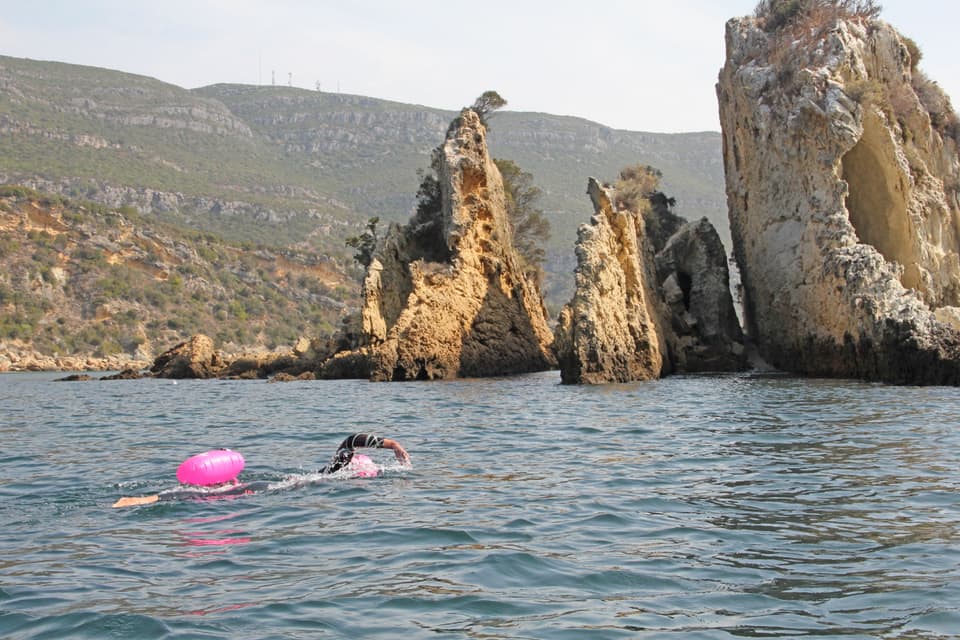
Photo is illustrative, not from a past month. Credits.
Picture the scene. A sunbed, a book you have been meaning to read since March, a sea so blue it looks edited. And in your hand, somehow, a phone showing your work inbox. You only opened it to check the weather. Twenty minutes later you are drafting a reply about a budget meeting, in your swimsuit.
If you have ever searched for how to switch off from work on holiday, you are in very good company. This guide explains why it is so hard, what research on holidays shows (some of it is good news, some of it is a little rude), and gives you a simple plan for the weeks before you go, the days you are away, and the first Monday back. No promises that you will come home a new person. Just a better chance of actually having the holiday you paid for.
Why switching off is so hard
First, some comfort: it is not just you. In a 2023 Pew Research Center survey of US workers, 46% of those with paid time off took less than they were offered. Among them, 49% said they would worry about falling behind at work, and 43% said they would feel bad about colleagues taking on extra work. So many of us don't even take the holiday. And when we do, we take the worry with us, in the carry-on.
Psychologists have a name for what we are trying to do: psychological detachment. It simply means not doing work, and not thinking about work, when you are off. In a well-known 2005 study, Sabine Sonnentag and Ute-Vera Bayer followed 87 workers over several days. On days with a heavier workload, people found it harder to detach in the evening. And on evenings when they did detach, they reported a better mood and less tiredness.
That explains the holiday problem nicely. The week before a holiday is usually the busiest week of the year. You cram, you hand over, you stay late. Then you arrive somewhere lovely with a head still running at work speed. No wonder the hand reaches for the phone. The brain is not being naughty. It is simply still in the office, waiting for its lift.
What research says about holidays
Here is the honest summary from three studies by Jessica de Bloom and colleagues, who have spent years measuring what holidays do for working people:
- Holidays help, a little. A 2009 review that pooled earlier holiday studies found that people's health and well-being do improve on holiday. The effect was small, and it tended to fade within weeks of getting back to work.
- The glow can fade fast. A 2010 study of 96 Dutch workers on a winter sports holiday was called, wonderfully, "Lots of fun, quickly gone". Mood, energy and satisfaction rose during the trip. Within the first week back at work, they were generally back where they started.
- Longer breaks build slowly. A study of 54 employees on long summer holidays (23 days on average) found that health and well-being rose during the holiday and were highest around the eighth day, though the researchers measured only a few times, so the true peak is not known. What people did and felt on holiday mattered: pleasure, relaxation, savouring and a sense of control over their own time.
Two lessons come out of this. One: the first few days of a holiday are often spent just arriving, mentally. Two: what you do on holiday, and how you come back, matter as much as where you go. Both of these you can plan for. The weather, sadly, you cannot.
Two weeks before: hand over your head, not just your desk
Here is a lovely piece of research for list-lovers. In 2011, E. J. Masicampo and Roy Baumeister found that unfinished tasks tend to keep popping into our thoughts. But when people wrote down a specific plan for those tasks (what, when, how), the intrusive thoughts dropped away. The brain seems willing to stop nagging once it trusts that there is a plan.
So before a holiday, don't just tidy your inbox. Give every open loop a plan:
- List everything that is "live". Projects, promises, things you said you would "look at". All of it, on one page.
- Give each item an owner and a date. Either someone covers it while you are away, or it waits until a named day after you are back. Write that day down.
- Define "emergency" in writing. A legal deadline, a safety issue, a client about to leave. Everything else waits. If you don't define it, everything becomes one.
- Name one person who can reach you, and agree how: a phone call, not an email. Real emergencies ring.
- Book your first day back as a "catch-up day" now, with no meetings. You will thank yourself.
If you lead a team, say this out loud: "I won't be reading email. Here is who decides while I am gone." People copy the boss. If you answer emails from the beach, your team learns that holidays are pretend.
Write an honest out-of-office
The out-of-office message is the front door of your holiday. Most people leave it half open. "I will have limited access to email" sounds polite, but it tells everyone to wait for you, and it tells you that you are still on duty. Try this instead:
A simple out-of-office: "I am away until Monday 14 [month], and I won't be reading email. For anything urgent, please contact [name] at [email]. If your message can wait, I will reply after I am back." Short, friendly, final.
And then, the bravest part: don't add "but I will check in now and then". You won't be checking in. You will be on holiday.
On holiday: set up your phone, not your willpower
Willpower is a lovely thing. It is also a battery, and by day three it is usually flat. So use settings instead:
- Sign out of work email and chat on your phone, or delete the apps for the trip. Signing back in takes a minute. That minute is your friend.
- Turn off every notification except calls and messages from a short list of people.
- Leave the work laptop at home. If you really can't, pack it at the bottom of the bag, switched off, like a spare umbrella.
- Keep the useful tools: maps, banking, translation, a camera and music for walks. This is a holiday, not a punishment.
- Charge the phone outside the bedroom. A cheap travel alarm clock is a very good investment.
If you truly must check: the one-window rule
Some people, such as founders and owners, really cannot go fully dark. Fine. Then make work small and boxed in, rather than a fog over the whole trip:
- One window, same time: for example, 20 minutes every second morning at 9am, then the phone goes away.
- Read a summary, not the inbox. Ask your cover to send one short message: what happened, what needs you. Reply to that only.
- Never in bed, never at dinner, never by the pool. Work gets a chair and a table, like a guest who is allowed in but not upstairs.
The point is control. In the summer holiday study, a sense of control over your own time went with stronger benefits. A planned window is you deciding. A phone that buzzes all day is the office deciding for you.
The first three days: expect the itch
Many people describe the start of a holiday in the same way: a restless feeling, a hand that keeps patting the pocket where the phone lives, and a strange guilt about doing nothing. It is normal. The research above suggests the good part of a holiday builds over days, not hours. So don't judge the trip on day two.
A few things that help the arrival:
- Move on day one. A long walk or a swim tells the body something has changed. Check with your doctor first if you have a health condition.
- Get outside early. Morning light and a slow coffee beat a lie-in with a screen.
- Write down any work thought that pops up, in a paper notebook, and close it. You have given it a plan, so it can stop knocking.
Fill the time, or work will fill it for you
A blank holiday is an open invitation for the inbox. The research points to four things that matter: pleasure, relaxation, savouring and control. In plain English:
- Pleasure: something you love and rarely do. Long lunches, a new walk each day, a pile of novels.
- Relaxation: unhurried time. Sitting by water. A nap without an alarm. Ten quiet minutes of breathing; my guide to meditation styles for beginners has six easy ones.
- Savouring: noticing the good bits while they happen. Put the phone down for the sunset instead of filming it.
- Control: your day, your choice. Leave some days empty on purpose, and decide in the morning.
A word on holiday drinks. For many of us, "switching off" has quietly come to mean a glass of something at 5pm, then another. That is your choice, of course. But many people notice they sleep and wake better on days without alcohol, and an alcohol-free trip is a growing trend. My guides to an alcohol-free holiday and sleep without alcohol cover the practical side. If you drink heavily or every day, talk to a doctor before you stop, because stopping suddenly can be dangerous.
Coming back: protect the glow
Remember "Lots of fun, quickly gone"? The fade-out happened in the first week back at work. So the return deserves as much planning as the trip:
- Come home a day early if you can. Unpack, shop, sleep in your own bed, then go to work.
- Use the catch-up day you booked. Read your cover's summary first, then the inbox.
- Archive anything older than a week unless it is clearly important. If it mattered, it will come back.
- Keep two holiday habits. Not ten. A morning walk and no phone in the bedroom is a good pair.
- Book the next break before the first week is out. Something to look forward to is part of the holiday too.
When a week is not enough
Here is the uncomfortable bit. If you need the first three days to arrive and the last two to pack and worry, a one-week holiday leaves you with about two days of real rest. That is why some people, especially those who have run hard for years, start looking at longer breaks: a month, or a sabbatical. My wellness sabbatical guide covers how to ask for the time, and digital break month covers switching off screens for longer.
A whole month off, with The Quiet Month
This is what I offer, so here is the plain version. The Quiet Month is a calm, healthy-living month for up to four guests, lived alongside me:
- US$10,000 for one month, the programme fee. One month is the minimum.
- Your own private flat, which you book and pay for yourself, in your own name, about ten minutes' walk from me.
- Daily exercise together, shared low-carb, keto-style meals, a short optional meditation, outings, and long talks over coffee.
- An eating window that I set for you and adjust through the month. I am self-taught in nutrition, not a doctor.
- One rule: no smoking, no alcohol, no drugs for the month. Prescribed medicine is always allowed.
- Your phone stays yours. There is no phone rule. The days are simply full enough that many people reach for it less.
The Quiet Month is not medical, not therapy and not rehab. Every guest needs a doctor's fit-to-join letter, travel insurance and to be 21 or over. I don't publish where I am; after our video call, if we both want to go ahead, I tell you the country and city before you sign.
Is your employer paying? Some companies, founders and family offices pay for a key person's month away. There is a page for employers: you apply yourself, they get the invoice, and your health details stay private.
Dates, applying and paying
- Start dates: the first month starts on 1 January 2027, then on the 1st of every month. You can apply at any time.
- Steps: apply (about five minutes), then a free video call, then a written agreement.
- Paying: a US$1,000 deposit by bank transfer or Western Union, part of the fee, then the balance in two halves on day 1 and day 15. Nothing is paid before the call and the agreement.
See how a day works, the price and what's included and the safety steps. Not ready for a month? Try my free 7-day plan for a quiet week at home on your next week off. It works on a sunbed too.
The Quiet Month team
Questions people ask
Why can't I switch off from work on holiday?
Usually because the weeks before were busy and nothing was handed over clearly. Research on "psychological detachment" finds that heavy workload makes it harder to stop thinking about work. Writing a plan for every open task, defining what counts as an emergency and removing work apps from your phone all help.
Is it OK to check email once on holiday?
If you truly must, keep it small and planned: one short window at a set time, reading a summary from your cover rather than the whole inbox. Never in bed or at meals. A planned window keeps you in control; a buzzing phone does not.
How long does it take to relax on holiday?
It varies. In one study of long summer holidays, people's health and well-being were highest around the eighth day, though it was measured only a few times. Many people find the first two or three days are spent just arriving, which is one reason longer breaks appeal.
How do I keep the holiday feeling after I get back?
Studies suggest the good effects often fade within the first week back. Come home a day early, book a meeting-free catch-up day, archive old email, and keep one or two small habits from the trip, such as a morning walk.
What is The Quiet Month, and when does it start?
A calm month for up to four guests: shared meals, daily exercise, short meditation and long talks, with no alcohol, smoking or drugs. It is not medical and not rehab. US$10,000 for the month, and you pay your own flat. The first month starts on 1 January 2027, then the 1st of every month. Apply any time.
Sources
- Pew Research Center (August 2023): More than 4 in 10 U.S. workers don't take all their paid time off (46% take less; 49% worry about falling behind; 43% feel bad for coworkers)
- Sonnentag S, Bayer UV (2005), Journal of Occupational Health Psychology 10(4): Switching off mentally: predictors and consequences of psychological detachment from work during off-job time (87 workers; workload and detachment)
- de Bloom J et al. (2009), Journal of Occupational Health: Do we recover from vacation? Meta-analysis of vacation effects on health and well-being (small effect that fades after return to work)
- de Bloom J et al. (2010), Work & Stress: Effects of vacation from work on health and well-being: Lots of fun, quickly gone (96 workers; back to baseline within the first week)
- de Bloom J, Geurts S, Kompier M (2013), Journal of Happiness Studies: Vacation (after-) effects on employee health and well-being, and the role of vacation activities, experiences and sleep (54 employees; 23-day holidays on average)
- Masicampo EJ, Baumeister RF (2011), Journal of Personality and Social Psychology: Consider it done! Plan making can eliminate the cognitive effects of unfulfilled goals (written plans reduced intrusive thoughts)
- The Quiet Month: for employers (how a company can pay for a month)
Prices and facts were checked on 23 October 2026. Prices change; always check the source before you book anything.