Guide · A slower pace
What is slow living? And how to try it for a month
Slow living is not about doing everything at the speed of a tortoise, buying linen or moving to a farm. It is about choosing the right speed for each part of your day. Here is where the idea came from, what research hints at, and a four-week plan to try it.
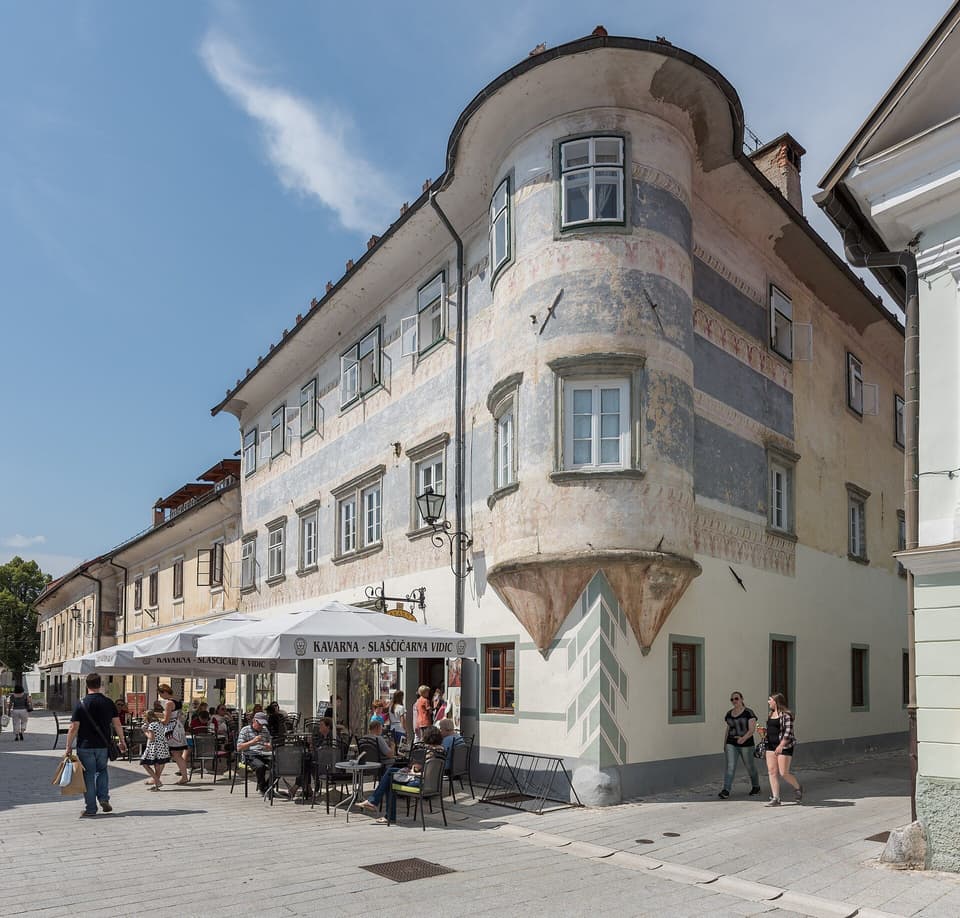
Photo is illustrative, not from a past month. Credits.
Search for slow living and you will find a lot of photographs of bread. Sourdough on a wooden board, a cup of tea steaming by a window, someone in a knitted jumper gazing at a field. Lovely. Also slightly worrying, if your actual life is a commute, a full inbox and dinner eaten standing up at the kitchen counter.
So let's take the bread out of it for a moment. This guide explains what slow living actually is, where the idea came from, what it is not, what the research hints at (carefully, without big promises), and gives you a simple four-week plan to try it, either at home or away.
Rowan is our AI assistant. Please keep health details for the video call.
What is slow living, in one sentence?
Slow living means doing things at the right speed, on purpose, instead of rushing through everything by default.
That is it. It is not "do everything slowly". The journalist Carl Honoré, whose 2004 book In Praise of Slow helped make the idea popular, is clear that the aim is balance: fast when fast makes sense, slow when slow makes sense. Drive fast on the motorway if you must. But eat your lunch sitting down, and maybe don't answer a work email at the traffic lights.
In practice, slow living usually shows up in a few everyday places: how you start the morning, how you eat, how you move, how much you fit into a day, and how you end the evening.
Where the idea came from
Like many good ideas, it started with a fight over food. In 1986, McDonald's opened a restaurant near the Spanish Steps in Rome, and there were protests. Out of that moment came Slow Food, a movement started by the Italian writer Carlo Petrini to stand up for local food, traditional cooking and meals eaten with care. In 1989 its founding manifesto was signed in Paris by delegates from 15 countries. Today it has branches in over 150 countries.
The idea then spread from plates to places. In 1999, a group of small Italian towns, led by the mayor of Greve in Chianti in Tuscany, founded Cittaslow, the "slow cities" network. Member towns, which must have fewer than 50,000 people, commit to goals like protecting local character, the environment and quality of life. By late 2025 the network had around 300 members.
Honoré's book followed in 2004, and since then "slow" has been attached to almost everything: slow travel, slow fashion, slow parenting. Slow living is the umbrella over all of it.
What slow living is not
- It is not an aesthetic. You don't need a linen dress, a dried flower or a ceramic mug. A plastic chair in the sun counts.
- It is not quitting your job. Most people practise it in small pockets of an ordinary, busy life.
- It is not laziness. Slow people still work hard. They just stop doing three things at once.
- It is not a fix for serious problems. If you feel low, unwell or unable to cope for weeks, start with your doctor. If anything feels urgent, call your local emergency number or find a free helpline at findahelpline.com.
- It is not another thing to be good at. If you find yourself rushing to fit in your slow morning routine, you have discovered the great joke of the modern world.
What the research hints at
There is no big study of "slow living" as such. It is a way of life, not a pill. But a few studies look at its main parts, and they are worth knowing. Read them as hints, not promises.
- Time matters, not just money. In a 2017 study in PNAS, Ashley Whillans and colleagues surveyed thousands of people in the US, Canada, Denmark and the Netherlands. Those who spent money to buy themselves time, for example by paying for help with chores they disliked, reported greater life satisfaction. Feeling short of time, which researchers call "time poverty", seems to cost us something.
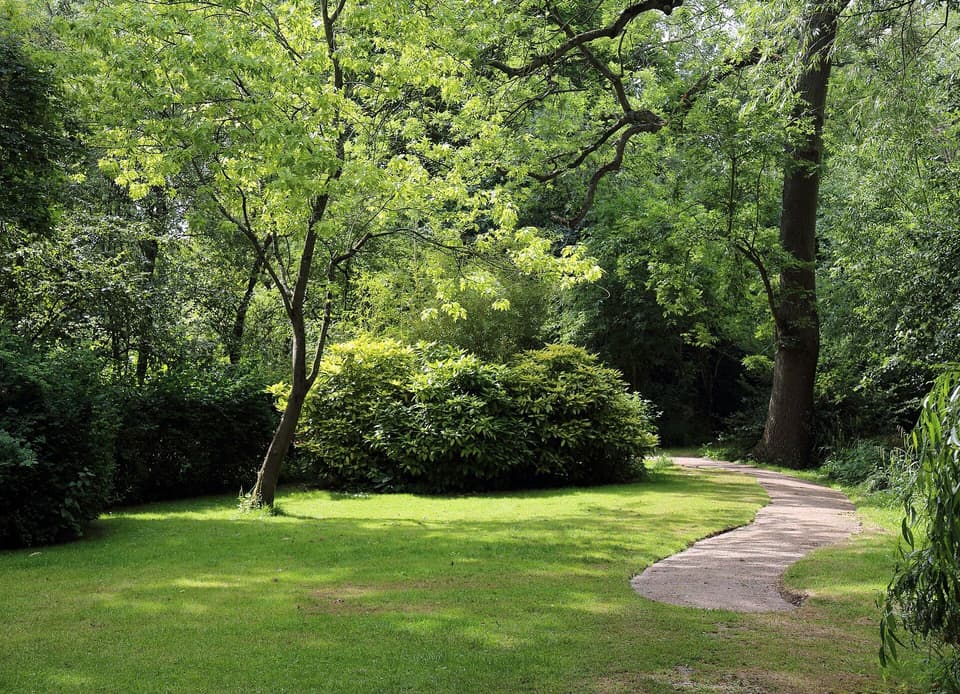
- Two hours a week outside. A 2019 study in Scientific Reports by Mathew White and colleagues looked at 19,806 people in England. People who spent at least 120 minutes a week in nature were more likely to report good health and high well-being than those who spent none. It did not matter whether that was one long visit or several short ones. It is a survey, so it shows a link, not cause and effect.
- Slower walks, quieter minds. In a small 2015 Stanford study published in PNAS, 38 adults took a 90-minute walk either in a natural area or along a busy road. Those who walked in nature reported less rumination afterwards (the habit of chewing over the same worries). Those who walked by traffic did not.
Put together, it is a gentle case: protect some time, go outside regularly, and walk without rushing. Not exactly news to your grandmother. But nice to see it in a journal.
Seven slow habits that fit into a normal life
| Habit | What it looks like | A tiny way to start |
|---|---|---|
| A slow morning | No phone for the first half hour; light, water, a little movement | Charge your phone outside the bedroom tonight |
| Seated meals | Eating at a table, without a screen, at roughly set times | One screen-free meal a day |
| Walking without a goal | A walk that isn't a commute or a workout | Twenty minutes after lunch, no headphones |
| One thing at a time | Finishing a task before starting the next | Close every tab except the one you are using |
| Fewer plans | White space in the diary, on purpose | Leave one evening a week completely empty |
| Quiet minutes | Sitting still, breathing, noticing | Five minutes before breakfast |
| Calmer evenings | Lights lower, screens off, the same bedtime most nights | Screens off 30 minutes before bed |
Pick two. Not seven. The fastest way to fail at slow living is to start all of it on a Monday.
How to try slow living for a month: a four-week plan
Why a month? Because a weekend of slow living is a nice weekend. A month is long enough for the new pace to stop feeling like a costume. Here is a simple plan, one focus per week, adding as you go.
- Week 1: mornings. Wake at the same time every day, weekends included. No phone for the first 30 minutes. Open the curtains, drink a glass of water, step outside if you can. Five quiet minutes of sitting or breathing; my guide to meditation styles for beginners has six simple ones to try.
- Week 2: meals. Eat sitting down, at a table, without a screen. Cook simply: eggs, fish, meat, vegetables, olive oil. Notice when you are full. If you want ideas that travel well, see my keto-style travel food guide. Check with your doctor before any big change to how you eat.
- Week 3: movement and outside time. A walk every day, ideally somewhere green, and aim for at least two hours outdoors across the week. Add gentle strength work or a swim a few times. No step counting required.
- Week 4: evenings and screens. Pick a "lights low" time. Screens off 30 minutes before bed. Read paper. Talk to someone. Many people find a month off alcohol fits this week neatly; my plan for a month off alcohol covers the practical side. If you drink heavily or every day, talk to a doctor before you stop, because stopping suddenly can be dangerous.
At the end of the month, keep the two habits you would miss most. Let the rest go without guilt. Slow living is not a test, and there is no certificate.
Want it on paper? Print the free 31-day quiet month planner. It has a box for each day, and nothing to buy.
Common traps (and how to dodge them)
- Buying your way in. New candles, new mugs, a new journal. Slow living costs nothing. Start with what you have.
- Doing slow living fast. A 14-step slow morning that takes two hours is just a busy morning with better lighting.
- All or nothing. You will have rushed days. A rushed Tuesday does not cancel the month. Start again on Wednesday.
- Going it alone with nobody to notice. Habits stick better with company. Tell a friend, or invite them on the walk.
- Waiting for life to calm down first. It won't. That is rather the point.

Rowan is our AI assistant. Please keep health details for the video call.
Slow living at home, or away for a month?
Most people can do a lot of this at home, and I would always suggest starting there. My free 7-day plan for a quiet week at home is a gentle first step.
The honest problem with home is that home is where your habits live. The commute, the late emails, the takeaway menu, the glass of wine that turned into a bottle. Some people find it easier to learn a new pace somewhere else first, with a ready-made rhythm and a few people doing the same thing, and then take it home. That is the idea behind slow travel too: stay longer in one place, rather than rushing through five.
Slow living with a timetable: The Quiet Month
This is what I offer, so here is the plain version. The Quiet Month is a calm, healthy-living month for up to four guests, lived alongside me, at a slow and steady pace:
- US$10,000 for one month, the programme fee. One month is the minimum, because a new pace needs time.
- Your own private flat, which you book and pay for yourself, in your own name, about ten minutes' walk from me.
- Slow mornings, a short meditation (always optional), daily exercise together, outings, and long talks over coffee in the evening.
- Shared low-carb, keto-style meals, eaten sitting down, together. Intermittent fasting is part of the month: I set each guest's eating window and adjust it as we go. I am self-taught in nutrition, not a doctor.
- One rule: no smoking, no alcohol, no drugs for the month. Prescribed medicine is always allowed.
- One free day a week, to do absolutely nothing, beautifully.
The Quiet Month is not medical, not therapy and not rehab. Every guest needs a doctor's fit-to-join letter, travel insurance and to be 21 or over. I don't publish where I am; after our video call, if we both want to go ahead, I tell you the country and city before you sign. If your company might pay for a key person's month, see the page for employers.
Dates, applying and paying
- Start dates: the first month starts on 1 January 2027, then on the 1st of every month. You can apply at any time.
- Steps: apply (about five minutes), then a free video call, then a written agreement.
- Paying: a US$1,000 deposit by bank transfer or Western Union, part of the fee, then the balance in two halves on day 1 and day 15. Nothing is paid before the call and the agreement.
See how a day works, the price and what's included and the safety steps. And if you only take one thing from this page: eat lunch sitting down tomorrow. It is a start.
The Quiet Month team
Questions people ask
What does slow living mean?
Slow living means doing things at the right speed, on purpose, rather than rushing by default. It is not doing everything slowly. It usually shows up in calmer mornings, seated meals, unhurried walks, fewer plans and quieter evenings.
Where did the slow living movement come from?
It grew out of Slow Food, started in Italy in 1986 after protests at a McDonald's opening near the Spanish Steps in Rome. The Cittaslow "slow cities" network followed in 1999, and Carl Honoré's 2004 book In Praise of Slow helped spread the idea worldwide.
How do I start slow living if I am very busy?
Start with two small habits, not seven. For example: no phone for the first 30 minutes of the day, and one meal a day eaten sitting down without a screen. Add more only when those feel normal.
Is slow living good for you?
There are no big studies of slow living itself, and it is not a medical step. But research links regular time in nature, unhurried walks and feeling less short of time with better reported well-being. Read these as hints, and see your doctor for any health concern.
Can I try slow living for a month away?
Yes. The Quiet Month is a calm month for up to four guests, with slow mornings, daily exercise, shared meals and long talks, and no alcohol, smoking or drugs. It is not medical and not rehab. US$10,000 for the month, plus your own flat. The first month starts on 1 January 2027, then the 1st of every month.
Sources
- Wikipedia: Slow Food (1986, Rome; 1989 Paris manifesto, 15 countries; over 150 countries today)
- Wikipedia: Cittaslow (founded October 1999; towns under 50,000; about 300 members in 2025)
- Cittaslow International (the network's own site)
- Wikipedia: In Praise of Slow (Carl Honoré, 2004) (balance between fast and slow)
- Whillans AV, Dunn EW, Smeets P, Bekkers R, Norton MI (2017), PNAS: Buying time promotes happiness (US, Canada, Denmark, Netherlands)
- White MP et al. (2019), Scientific Reports: Spending at least 120 minutes a week in nature is associated with good health and wellbeing (19,806 people in England)
- Bratman GN et al. (2015), PNAS: Nature experience reduces rumination and subgenual prefrontal cortex activation (38 adults; 90-minute walks)
- Find A Helpline: free helplines in many countries
- The Quiet Month: price and what's included (programme fee, what is not included)
Prices and facts were checked on 23 October 2026. Prices change; always check the source before you book anything.