Guide · Time away from work
Wellness sabbatical: how to take a month off well
How to ask for the time, hand over your work, plan the money, choose the shape of the month, and come back without losing it all by Wednesday. What the research says, and what it does not.
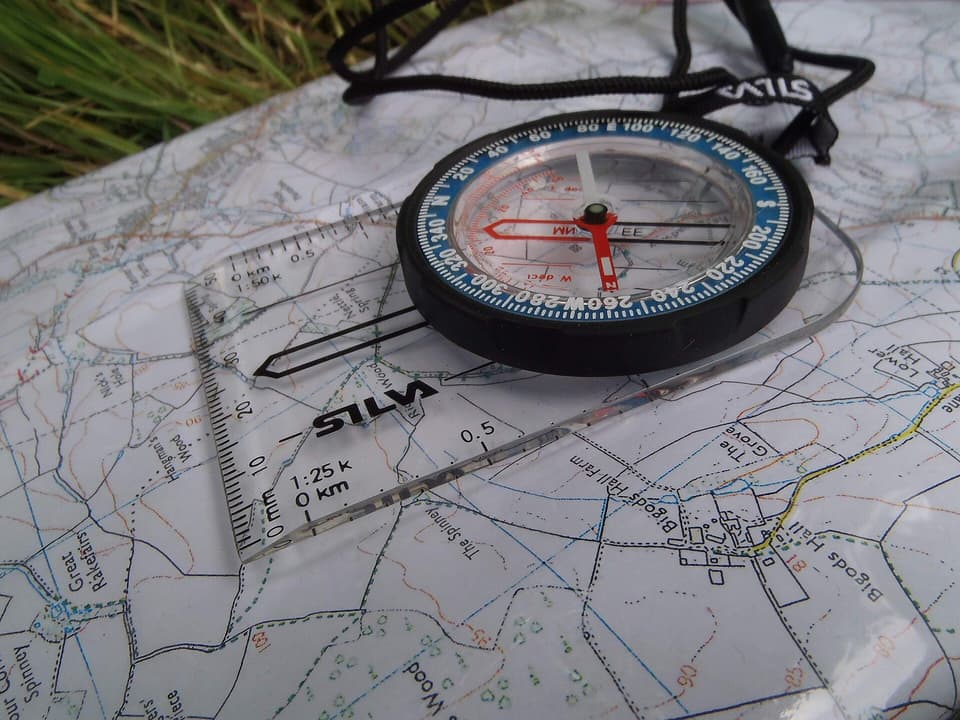
Photo is illustrative, not from a past month. Credits.
A wellness sabbatical sounds like a luxury, and in one way it is: a month is a lot of time to take away from work, family and the rest of life. But plenty of people do it, and the ones who come back glad they went usually have one thing in common. They planned the month as carefully as they would plan a big project at work. This guide walks through the plan: asking for the time, handing over, money, the shape of the month, the daily rhythm, and the part most people forget, coming back. It is honest about what research shows, and it makes no promises about how you will feel on day 30.
What a wellness sabbatical is, and what it is not
A sabbatical is a long break from your normal work, usually agreed with your employer, often unpaid, and usually much longer than a holiday. A wellness sabbatical is simply one where the main aim is to live well for a while: sleep properly, eat real food, move every day, think, and rest.
It is not a medical break. If you feel exhausted, low or unwell for weeks, the first appointment is with your doctor, not a travel agent. A month away can be lovely. It is never a substitute for proper care when you need it. If anything feels urgent, call your local emergency number, or find a free, confidential helpline in your country at findahelpline.com.
What the research says about sabbaticals and breaks
There is less research on sabbaticals than on holidays, but one study is worth knowing. In 2010, Oranit Davidson, Dov Eden, Mina Westman and colleagues published a careful study in the Journal of Applied Psychology. They followed 129 university staff who took a sabbatical and 129 matched colleagues who did not, and measured them before, during and after the leave.
During the sabbatical, the people on leave reported that well-being rose and that their personal resources grew; the comparison group did not change. The gains were larger for people who felt more control over their time, who detached more from work, who had a more positive experience overall, and who spent the leave outside their home country.
That fits the research on ordinary holidays. A 2013 study by Jessica de Bloom and colleagues, in the Journal of Happiness Studies, followed 54 employees through long summer holidays. Well-being rose quickly and then returned to its usual level within the first week back at work. What mattered most was not the number of days but what people did and felt: relaxation, a sense of control, savouring, pleasure in activities, and sleep.
So here is the honest summary. A long break can feel very good while it lasts, and the good feeling tends to fade once normal life returns. The part you can take home is a routine you have practised. A well-known study from University College London, led by Phillippa Lally, found a new daily habit took on average about 66 days to become automatic, with a huge range between people. A month won't finish that job. But thirty mornings of practice is a real start, and that is the best reason I know for a month rather than a week.

Step 1: Ask for the time, in writing
Start by reading your contract and staff handbook. Some employers have a sabbatical or career-break policy, with rules on length of service, notice and pay. Many have none, and then it is simply a request you agree together. Either way, ask early: three to six months ahead is kind to everyone. If your employer might also pay for the month itself, point them to our page for employers.
A short written proposal makes the yes easier. Put in it:
- The dates, and why this month suits the work calendar.
- Who covers what, with names, so your manager can picture it working.
- Paid or unpaid, and what happens to holiday, pension and benefits. Ask HR to confirm this in writing.
- How reachable you will be. "Not at all" is best. "One agreed check-in, by email, in week two" is a fair compromise.
- What you will bring back. Rested people make better decisions. You don't need to oversell it.
If you run your own business, the same list applies, only you are writing it to yourself, which is harder.
Step 2: Hand over properly
The studies above point to detachment as one of the things that mattered most. You can't detach from a job that still has you on every email chain. In the last two weeks before you go:
- Write a one-page handover for each person covering for you: what is live, who to call, what can wait.
- Cancel or hand over every meeting in your calendar for the month. Don't just decline them on day one.
- Set an honest out-of-office: the date you are back and who to contact. No "limited access to email".
- Take work apps off your phone, or log out of them. Future you will be grateful.
Step 3: Plan the money
A month off costs more than the trip. Write down, honestly:
- Lost income, if the sabbatical is unpaid.
- Costs at home that keep running: rent or mortgage, bills, subscriptions.
- The month itself: place to stay, food, activities, local transport.
- Flights, visas and travel insurance with medical cover.
- A small buffer, because something always costs more than planned.
If you are comparing paid options, I put real published prices side by side in what a one month wellness retreat costs and in what US$10,000 should buy at a luxury alcohol-free retreat.
Step 4: Choose the shape of the month
There are four common ways to spend a wellness sabbatical. None is wrong. They suit different people.
| Shape | Good for | Watch out for |
|---|---|---|
| At home, with a routine | Low cost; family nearby | Work and old habits are one door away |
| Slow solo travel | Freedom and new places | Loneliness, and no one to keep the routine with you |
| A resort or clinic stay | Comfort, spa, staff | Most programmes are one or two weeks; a month gets very expensive |
| A small hosted month | A routine, company and someone else doing the planning | Group rules, and less choice about where and when |
The Davidson study found larger gains for people who spent their leave abroad. That is one study about university staff, so I wouldn't build your life on it. But it matches what many people say: a new place makes it easier to leave old habits at the door.
Step 5: Build a simple daily rhythm
A month with no shape tends to drift into late nights and long scrolls. The research gives a useful checklist: relaxation, control over your time, detachment from work, savouring, enjoyable activities and sleep. Turned into a day, that can be as simple as:
- The same wake-up time most days, and light outside early.
- Movement every day: a long walk, a swim, some strength work. Check with your doctor if you have any health condition.
- Real meals at set times. Many people like a daily eating window; my gentle guide to intermittent fasting explains who should skip it.
- Ten quiet minutes of sitting, breathing or walking slowly. My guide to meditation styles for beginners has six to try.
- Something you look forward to each afternoon, and one day a week with no plan at all.
- Evenings without alcohol. A month off work is a good time for a month off drinking. If you drink heavily or every day, talk to a doctor before you stop, because stopping suddenly can be dangerous. My plan for a month off alcohol covers the practical side.

A wellness sabbatical with The Quiet Month
This is what I offer, so here is the plain version. The Quiet Month is a calm month for up to four guests, lived alongside me. Each guest has a private one-bedroom flat about ten minutes' walk from me. The days follow the rhythm above: early meditation (always optional), exercise together, simple shared low-carb meals, outings, time alone, and long conversations over coffee in the evening. Intermittent fasting is part of the month: I set the daily eating window and adjust it to each guest. Anyone who feels unwell eats, and nobody is pushed.
The rule for the month is simple: no smoking, no alcohol, no drugs. Prescribed medicine is always allowed. The minimum stay is one month, because a routine needs time.
About me: I am not a doctor, a counsellor or a coach. I stopped drinking and smoking a few years ago and changed how I eat, move and rest. The Quiet Month is not medical, not therapy and not rehab. Every guest needs a doctor's fit-to-join letter, travel insurance with medical and evacuation cover, and to be 21 or over. I don't publish where I am; after a video call, if we both want to go ahead, I tell you the country and city before you sign anything. How we keep things safe is on the safety and trust page, the full day is on the month page, and the fee is on the price page.
Coming back well
Since the research says the good feeling fades fast, plan the return as carefully as the departure:
- Come home two or three days before work starts. Unpack, shop, sleep in your own bed.
- Start mid-week if you can. A three-day first week is gentler than a five-day one.
- Pick two habits to keep, not ten. A morning walk and a steady bedtime is a fine pair.
- Put them in your calendar like meetings, before the real meetings fill it.
- Book a short review with yourself a month later. What stayed? What slipped? Be kind about the answers.
If you are taking time off because work has become too much, I wrote more about that in an executive burnout retreat: a quiet month vs a long weekend.
Not ready for a whole month?
That is fine. Try the rhythm for a week first with my free 7-day plan for a quiet week at home: walks, simple meals, short meditations and calmer evenings, with a printable checklist. If you like it, you will know a month is worth planning. If you don't, you have lost nothing but a few late nights.
The Quiet Month team
Questions people ask
How long should a wellness sabbatical be?
There is no fixed rule. Research suggests the good feeling from any break fades soon after work starts again, so the main gain from a longer break is time to practise a routine you can keep. A month is long enough to do that; a week usually isn't.
Do I have a right to a sabbatical?
It depends on your contract, your employer's policy and the law where you work. Many employers have no sabbatical policy, so it becomes a request you agree together. Check your contract and ask HR to confirm pay, holiday and benefits in writing.
Can I work a little during a wellness sabbatical?
You can, but the research points to detachment from work as one of the things linked to bigger gains. If you must, agree one short check-in in advance and keep the rest of the month clear.
Is The Quiet Month a medical programme?
No. It is a healthy-living month: shared meals, daily exercise, short meditation and company. It is not therapy, and not medical or psychological treatment. Keep your own doctor, and bring a doctor's fit-to-join letter.
Sources
- Davidson OB, Eden D, Westman M et al. (2010), Journal of Applied Psychology: Sabbatical leave: who gains and how much? (129 on sabbatical vs 129 matched controls; DOI 10.1037/a0020068)
- de Bloom, Geurts and Kompier (2013), Journal of Happiness Studies: vacation after-effects, activities, experiences and sleep (54 employees; fade within the first week back)
- BPS Research Digest: How long does it take to form a habit? (Lally et al., UCL) (average 66 days, wide range)
- Find A Helpline: free helplines in many countries
Prices and facts were checked on 23 October 2026. Prices change; always check the source before you book anything.