Seasonal · Christmas 2026
How to stop drinking over Christmas, and still enjoy every bit of it
Christmas is the one time of year when a glass is put in your hand before your coat is off. Fizz at breakfast, wine at lunch, port with the cheese, a "little something" with the film. If you'd like to get through this one without drinking, or with a lot less, here is a calm, practical plan for the whole season: December, the day itself, the family, the strange days in between, and the walk into January.
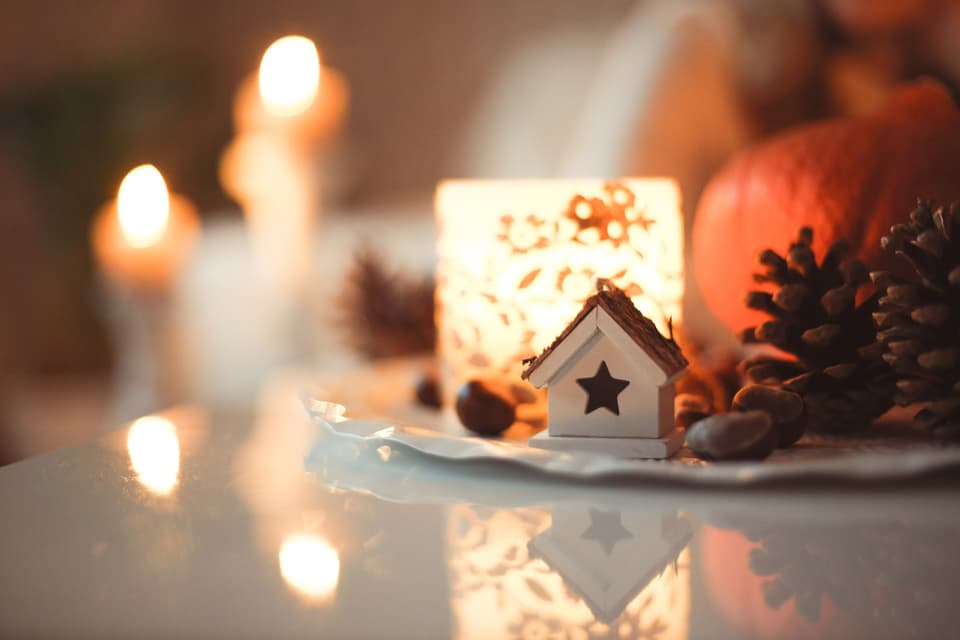
Photo is illustrative, not from a past month. Credits.
Let's be honest about the size of the job. Christmas isn't one party. It's a five-week marathon of parties, visits, leftovers, open bottles and people who love you saying "Oh go on, it's Christmas." Saying no to a drink once is easy. Saying no forty times, to your mother, your best friend and a man dressed as an elf, takes a plan.
This guide is that plan. It isn't about the work party; I've written a separate guide to the work Christmas party without drinking. This one is about everything else: deciding what you want, mapping the month, getting through Christmas Day itself, family, hosting, the foggy days between Christmas and New Year, and arriving in January feeling rather pleased with yourself.
Please read this first. If you drink heavily or every day, or use other drugs daily, stopping suddenly can be dangerous. Talk to a doctor before you stop. The Quiet Month is not medical, not therapy and not rehab. In a crisis, call your local emergency number or find a free helpline at findahelpline.com. More in our questions.
The short version
- Decide in November, not on the day. Pick your rule and your start date now: the whole of December, or from Christmas Eve, or "only alcohol-free at home".
- Map your danger days. Most people have five or six. Give each one a plan, a drink and an exit time.
- Own your glass. Bring something you genuinely like. An empty hand is an invitation; a full one is an answer.
- Have one family line ready, short and cheerful. Then change the subject to them.
- Fill the afternoons. The Christmas slump between 3 and 6pm is where most good intentions go. Walk, play, nap, go out.
- If you slip, carry on. One glass on the 25th doesn't cancel the other twenty-nine days.
Why Christmas is the hardest time not to drink
If you've ever felt that everybody drinks more in December, you're right. In a survey of 2,300 UK adults for the charity Drinkaware in November 2024, 64% of drinkers said they planned to drink more than usual over Christmas, rising to 75% of 18 to 34-year-olds. More than half (57%) expected to binge drink on Christmas Day itself, and 55% planned more spontaneous drinking occasions over the festive period. Wine was the drink of the day: three in four drinkers expected at least one glass.
So you're not imagining the pressure. You're swimming against a very large, very cheerful current. Three things make it strong:
- Alcohol is the default host gift, decoration and greeting. It arrives in hampers, in stockings and at the door. There's simply more of it around.
- The routine disappears. No commute, no gym class, no Monday. Days melt into each other, and a drink at 2pm stops looking odd.
- Family brings out the old you. You might be a calm, sensible adult in July. Put you back in your childhood kitchen with your brother and a bottle of red, and you're nineteen again.
The good news is that the same survey shows a real shift under the surface. Over half of 18 to 34-year-olds said they planned to choose low or alcohol-free drinks over the festive period, and 56% of drinkers said they meant to cut back in the new year. You won't be the only person at the table holding something without alcohol in it. You may just be the first one to say so.
Decide what "stopping" means for you
"Not drinking over Christmas" can mean very different things. Choose yours now, while you're calm and it's still November, because a decision made at 4pm on Christmas Day, in a paper hat, is not a decision. It's a negotiation you'll lose.
| Your rule | Good for | Watch out for |
|---|---|---|
| A fully sober December | People who like clean, simple rules and want to arrive in January already a month in | The work party and the 23rd, when everyone's "just popping out for one" |
| Sober from Christmas Eve to 1 January | People who want the family days clear and calm | Boxing Day and New Year's Eve, which come with their own crowds |
| Alcohol-free at home, flexible out | Couples and families who mostly drink at home in December | "Flexible" stretching quietly every night |
| Alcohol-free on the big days only | A first try, or a family where one person drinks heavily | Making up for it on the days in between |
If you're not sure, I'd gently suggest the simplest rule you can live with. Every "it depends" rule means a decision every evening, and decisions are tiring. "I'm not drinking this Christmas" is one decision, made once. If you'd like the research on why simple rules help, my piece on how to plan a month off alcohol goes into it.
Make your December map
Get a calendar, paper or phone, and mark every occasion between 1 December and 1 January where alcohol will be offered. Most people end up with five or six "danger days". A typical list looks like this:
- The work party. See the work party guide; it has the lines and the exit plan.
- The friends' night out. Usually the 20th to 23rd. Choose the venue if you can: dinner, not a bar crawl. My guide to not drinking when your friends do covers the pub side.
- Christmas Eve. Often the most relaxed day, which is exactly why it's risky. Plan something: a carol service, a film, an early night.
- Christmas Day. The big one. It gets its own section below. (On your own this year? Read how to spend Christmas alone, and enjoy it.)
- Boxing Day and the visits. Second-family lunches, neighbours' open houses, the cold-turkey sandwiches with "a little red".
- New Year's Eve. A whole guide of its own: a sober New Year's Eve that's actually fun.
For each danger day, write three things next to it: what you'll drink, what you'll say, and what time you'll leave or go to bed. That's it. Three lines, written in November, will do more for you than all the willpower you can find on 25 December.
The free 31-day quiet month planner works well for this; print December, mark your six days in red, and stick it on the fridge where only you know what the red means.
Own your glass
An empty hand at Christmas is a vacuum, and somebody will fill it. A full glass of something you actually like is the best defence there is, and the nicer it is, the fewer questions you get.
- Bring your own bottle, exactly as you would bring wine. Hand it to the host with a smile: "This one's for me, but anyone's welcome."
- Choose something festive-looking. A good alcohol-free sparkling wine in a flute, a ginger beer with lime in a heavy tumbler, a cranberry and soda with rosemary. Nobody interrogates a glass with a garnish.
- Make a warm one. For an alcohol-free mulled drink, simmer apple juice and a splash of cranberry with a cinnamon stick, three cloves, a star anise and strips of orange peel for 15 minutes. The house will smell like Christmas, and you'll have something to carry around.
- Keep sparkling water on the go between "proper" drinks. Ice, a slice of lime, a nice glass.
Need more ideas? My list of 30 things to drink instead of alcohol has a whole section on drinks for parties and dinners.
Christmas Day, hour by hour
Christmas Day has a rhythm, and once you know where the tricky bits are, it's much easier. Here's the day most families have, with the drink moments marked:
- Morning: the breakfast fizz. In many homes, the first bottle opens with the presents. Have your own sparkling alcohol-free bottle chilled the night before, and pour it at the same moment. Same glass, same "cheers", same photo.
- Late morning: the cook's glass. If you're cooking, this is the classic "one for the chef" moment. Make a big jug of something nice to sip, and keep it by the stove. If you're not cooking, offer to peel things. Busy hands drink less.
- Lunch: the toast and the wine. Ask the host to set your place with a water glass and one other glass for your drink. Raise it for the toast. Nobody checks the contents of a raised glass. If someone offers wine, "I'm fine with this, thanks, it's lovely" and a smile is all you need.
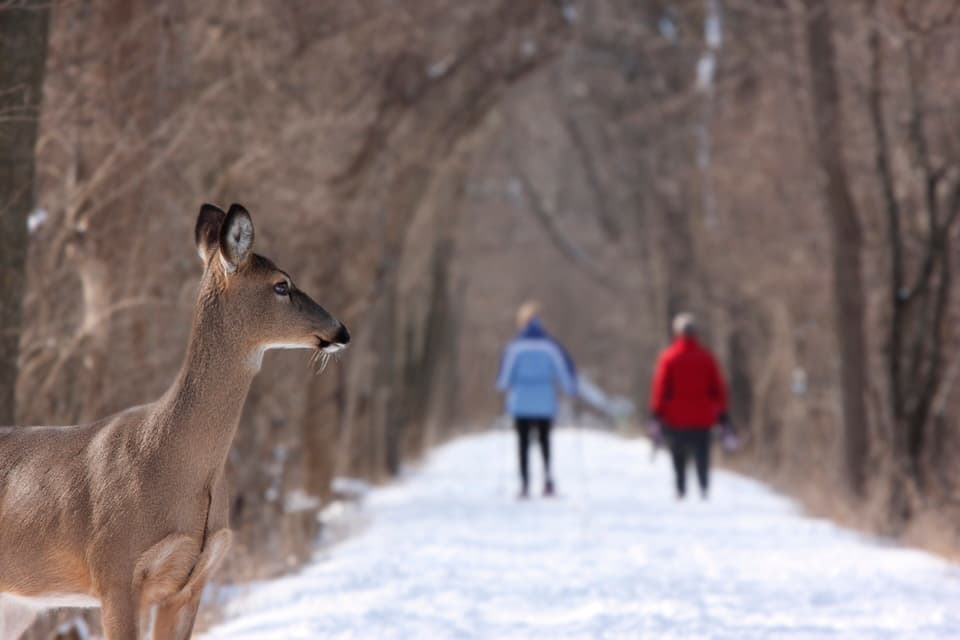
- 3 to 6pm: the slump. This is the danger zone. Full stomachs, a film nobody chose, the port coming out. Get outside. A Christmas walk, even 30 minutes round the block, changes the whole afternoon. Lots of families have one; if yours doesn't, start one.
- Evening: games, leftovers and "a nightcap". Suggest a game; card games and board games need clear heads to win, which gives you a small, smug advantage. Make a hot drink. Go to bed when you're tired. Nobody remembers who stayed up last.
A quiet tip: eat properly, and early. Christmas Day often means a late breakfast, nothing until a 3pm lunch, and lots of waiting around in between. Hunger and tiredness feel a lot like wanting a drink. A proper breakfast, and a small plate of something mid-morning, makes the whole day calmer.
Rowan is our AI assistant. Please keep health details for the video call.
Family: what to say
Friends tend to accept "I'm not drinking" fairly quickly. Family can be harder, partly because they knew you before you were an adult, and partly because a refused glass can feel, to a parent or an uncle, like a refused hug. Some short, kind lines that work:
- For a parent: "I'm having a clear Christmas this year. I wanted to actually remember it." Then ask them about their own first Christmas. People love being asked.
- For the host who's bought something special: "That's so kind. Could I take it home for later?" Then it becomes a gift, and you decide what to do with it in January.
- For the joker: "Ha, I know. Mine's the one with the lime." Light, friendly, no speech.
- For the persistent one: "Honestly, I'm really enjoying it. Can you help me with the gravy?" Change the subject and give them a job.
- For the worried one: "I'm fine, I promise. I'm just doing it for me, and I feel great." Concern is usually love in clumsy clothes.
You don't owe anyone a reason. "I'm not drinking" is a complete sentence. But a short, cheerful reason ends the conversation faster than no reason at all, and "I wanted to remember it" is true for almost everyone.
One family-specific trick: tell one ally in advance. A sister, a cousin, your partner. Ask them to back you up if someone pushes, and maybe to pour you your alcohol-free drink when they top up everyone else. One sentence from someone else ("leave them alone, they're doing really well") is worth ten from you. If the ally is the person you live with and they still drink, my guide to doing a dry month when your partner drinks covers the house rules.
If you're hosting
Hosting is, oddly, the easiest way to have a sober Christmas, because you control the fridge. A few things that help:
- Put on a proper alcohol-free table. Two or three good alcohol-free options in nice bottles, a big jug of something with fruit in it, ice, garnishes. Guests who don't drink will love you; guests who do will often try something.
- Let guests bring their own alcohol if your house is going alcohol-free, and say so kindly in the invitation: "We're alcohol-free at ours this year; you're very welcome to bring your own." Clear, warm and no fuss.
- Plan the afternoon, so the day doesn't drift into five hours on the sofa with a bottle. A walk, a game, a film everyone agreed on, a quiz.
- Send the leftovers home. Half a bottle of port and a gift box of wine in your kitchen are thirty small decisions over the next week. Give them to guests at the door.
Don't be surprised if the alcohol-free table becomes the one people gather round. It's where the colour, the fruit and the conversation are. And at the end of the night, everyone remembers the food.
The strange days in between
Ask anyone who has tried a sober Christmas and many will say the same thing: the 25th was fine; it was the 27th that was hard. The days between Christmas and New Year are a kind of time-free zone. Nobody's working, nobody knows what day it is, and there's still a bottle of Baileys in the fridge.
Give those days a shape:
- One plan per day. A long walk, a museum, a swim, a film, a friend for coffee. One thing, ideally out of the house, ideally in the morning or afternoon.
- Keep your wake-up time roughly the same. Sleep is often one of the first things people notice about a month off; protecting it in the in-between days makes the whole season feel better. More in sleep without alcohol: what changes in the first month.
- Clear the house. If the open bottles are yours, give them away, put them in the garage, or pour them out. If they're someone else's, move them out of your eye line.
- Start something small for January on the 28th or 29th: buy a notebook, plan the first week's meals, sign up for 30 Quiet Days. Having a tiny project makes the days feel useful instead of empty.
For a list of things to fill the evenings, my guide on what to do instead of drinking has 40 ideas, many of them perfect for a dark, cosy December night.
If you slip
It's Christmas. A host's feelings, a toast you didn't see coming, a tired moment at 9pm. If you have a drink you didn't plan to, here's what to do:
- Don't "write off" the rest of the day. "I've already had one, so it doesn't matter now" is how one glass becomes the whole bottle. Go back to your own drink.
- Don't restart from zero. Twenty-eight clear days out of thirty-one is a very good December.
- Learn one thing. Was it hunger? A particular person? The time of day? Change one small thing for the next danger day.
If you find you keep drinking when you've decided not to, or you can't stop once you start, that is worth knowing, and worth talking to your doctor about in January. That's a brave and sensible step, not a dramatic one.
Getting to 1 January
Here's a happy fact about a sober Christmas: you arrive at New Year already a few days, or a few weeks, into a clear run. Lots of people who plan a dry January find that the hardest part is the run-up, not the month itself. If you've done December, you've already done the hard part.
So use it. My practical plan for Dry January 2027 gives each of January's five weekends a theme. If you want to know what to expect, week by week, read what happens when you stop drinking for a month. And for the bigger picture, there's a calm fresh start for the new year.
If you'd like a little company in January, 30 Quiet Days is our free programme, 1 to 31 January 2027: one short email each morning with one small thing to try, and an optional daily check-in with Rowan, our AI assistant (he is an AI and says so). You don't have to be sober to join, and you can leave with one click.
If someone close to you has said they would like a calm January, you can also give them a Quiet Month. They still decide themselves, on their own call.
"Dry January" is a registered trademark of Alcohol Change UK. The Quiet Month is not linked to the charity.
Or spend January somewhere quiet
Some people get through a sober Christmas and think: I'd love more of this, but not in the same house, with the same routine and the same leftover bottles. That's what The Quiet Month is for.
The first Quiet Month starts on 1 January 2027. Up to four guests, each in their own private flat about ten minutes' walk from me. Shared low-carb meals, daily exercise at your own pace, 10 to 20 minutes of meditation if you want it, outings, and long talks in the evening. One free day a week. No alcohol, no smoking and no drugs for the whole month, for everyone, me included.
Honestly: I'm self-taught, not a doctor or counsellor. The Quiet Month is not medical, not therapy and not rehab. Every guest is 21 or over and brings a doctor's fit-to-join letter. I don't publish where I am; after a free video call, if we both want to go ahead, you learn the country and city before you sign anything. The fee is US$10,000 for the month, plus your own flat and flights, and nothing is paid before a video call and a signed agreement. See what's included.
The easiest first step is to email me, apply (about three minutes, free, no commitment), or book a free 20-minute call. Have a lovely, clear Christmas.
Questions people ask
How do I stop drinking over Christmas?
Decide your rule in November, not on the day. Mark your five or six "danger days" on a calendar and write three things next to each: what you'll drink, what you'll say, and when you'll leave. Bring your own alcohol-free drink, have one short, cheerful line ready, tell one family member in advance, and fill the 3 to 6pm slump on Christmas Day with a walk or a game.
What can I say to family when I'm not drinking at Christmas?
Keep it short and warm: "I'm having a clear Christmas this year; I wanted to actually remember it." Then change the subject, ideally to them. You don't owe anyone a reason, but a short, cheerful one ends the conversation faster than none.
Do most people drink more at Christmas?
Many do. In a November 2024 survey of 2,300 UK adults for Drinkaware, 64% of drinkers said they planned to drink more than usual over Christmas, and 57% of adults expected to binge drink on Christmas Day. The same survey found over half of 18 to 34-year-olds planned to choose low or alcohol-free drinks.
What can I drink on Christmas Day instead of alcohol?
An alcohol-free sparkling wine for the morning toast, ginger beer with lime, cranberry and soda with rosemary, or a warm alcohol-free mulled drink made with apple juice, cranberry, cinnamon, cloves, star anise and orange peel. A nice glass with a garnish gets far fewer questions.
I had a drink at Christmas. Should I start again?
No need to restart from zero. Go back to your own drink, carry on the next day, and change one small thing for the next big occasion. If you often drink when you've decided not to, talk to your doctor; that's a sensible step.
Is there a free programme for January 2027?
Yes. The Quiet Month runs 30 Quiet Days free from 1 to 31 January 2027: one short email each morning and an optional daily check-in with Rowan, an AI assistant. You don't have to be sober to join. Alcohol Change UK also runs Dry January with its free Try Dry app.
Sources
- Drinkaware: Two thirds of UK drinkers intend to drink more over Christmas (5 December 2024) (OnePoll for Drinkaware, 2,300 UK adults, 11 to 18 November 2024: 64% plan to drink more, 57% binge on Christmas Day, 56% plan to cut back)
- Drinkaware: Festive drinking patterns report
- NHS: The risks of drinking too much (14 units a week guidance, spread over three or more days)
- NIAAA, Rethinking Drinking: Tips to try (plan ahead, "know your no", have alternatives ready)
- Alcohol Change UK: Dry January and the Try Dry app (includes the safety note for people who are dependent)
- Find A Helpline: free helplines in many countries
Prices and facts were checked on 25 October 2026. Prices change; always check the source before you book anything.