Food · Breakfast, anywhere
Low-carb breakfast ideas that travel well: 25 easy picks for home, hotels and planes
The hotel buffet is a wall of croissants. The airport offers a muffin the size of a baby's head. The 6am taxi waits for nobody. Here are 25 low-carb breakfast ideas that work at home, in a hotel, on a plane and in a hurry, with the food-safety bits nobody mentions.
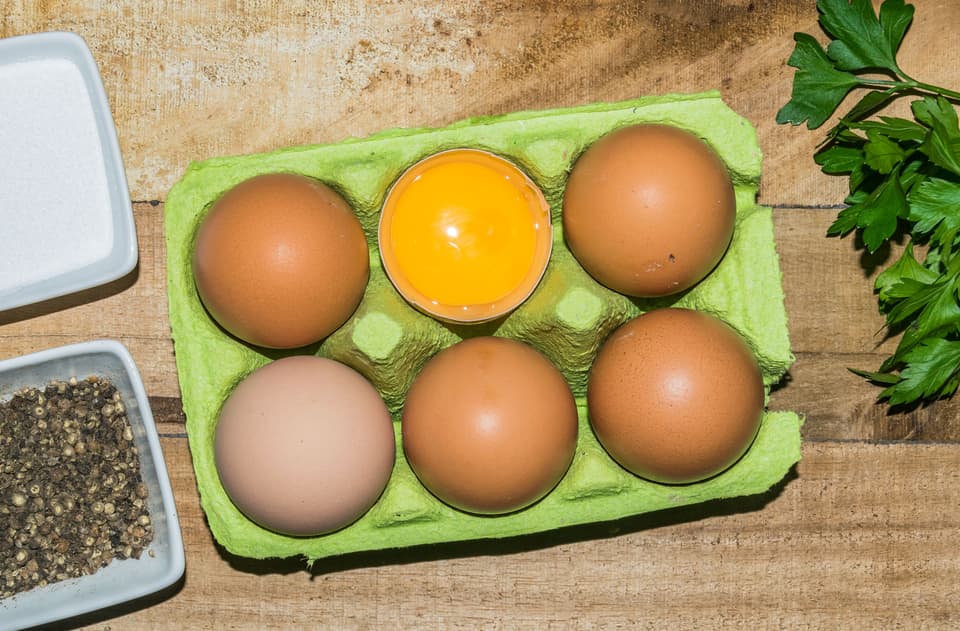
Photo is illustrative, not from a past month. Credits.
At home, a low-carb breakfast is easy. Eggs, a pan, done. Then you travel, and breakfast turns into an obstacle course. The hotel buffet has eleven kinds of pastry and one sad bowl of scrambled eggs. The airport café sells "protein boxes" that are mostly crackers. And the meeting at 8am means you are eating a banana in a lift.
So here are low-carb breakfast ideas that actually travel: what to make, what to pack, what to pick at a buffet and what to grab at an airport. With a few honest notes on food safety and on who should talk to a doctor before changing how they eat. No miracle claims, no shopping list of powders.
A quick health note. I am self-taught in nutrition, not a doctor or a dietitian, and this is not medical advice. If you have diabetes, take regular medication, are pregnant or breastfeeding, have a kidney condition or have ever had an eating disorder, talk to your doctor before cutting carbohydrate.
What counts as "low-carb" at breakfast?
There is no single official line. Researchers often describe a low-carbohydrate diet as under about 130 grams of carbohydrate a day, and a very low-carb or ketogenic diet as roughly 20 to 50 grams a day (Feinman and colleagues, 2015). Harvard's Nutrition Source describes keto in a similar way.
For breakfast, you don't need to count anything. A simple rule of thumb works almost anywhere: protein first, fat for flavour, vegetables if you can, and skip the bread, cereal, juice and pastries. A plain coffee or tea with a splash of milk or cream is fine for most people. A large caramel latte is pudding.
And a myth worth retiring: breakfast is not magic. A 2019 review in the BMJ by Katherine Sievert and colleagues looked at 13 trials and found that eating breakfast did not help people lose weight; if anything, breakfast eaters ate slightly more over the day. So if you are not hungry at 7am, you don't have to force it. If you are, eat well.
At home or in a flat with a kitchen: 8 quick ideas
- Eggs, any style. Scrambled with butter, fried in olive oil, boiled. A large egg has well under one gram of carbohydrate (USDA FoodData Central).
- The two-minute omelette. Two or three eggs, a handful of spinach, a little cheese. Add leftover vegetables from last night.
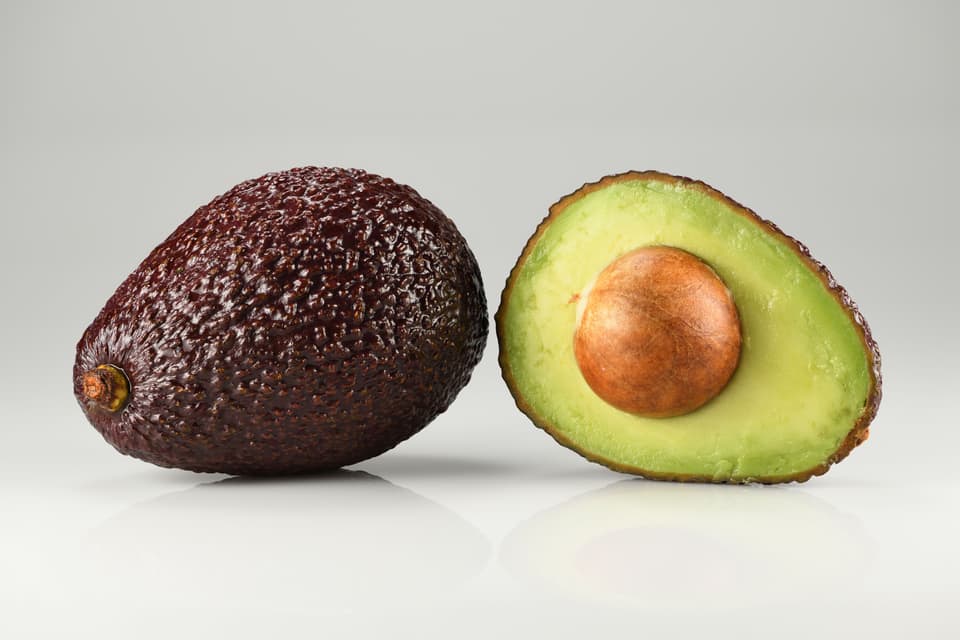
- Smoked salmon and avocado, with lemon and black pepper. Feels fancy, takes four minutes.
- Plain full-fat Greek yoghurt with a few berries and chopped nuts. Check the label: plain, not "fruit" or "honey".
- The leftover plate. Last night's grilled chicken or steak with a fried egg. Nobody said breakfast must look like breakfast.
- Baked eggs in tomato and peppers, a low-carb shakshuka without the bread. Use a spoon instead.
- Cheese, cucumber, olives and tomato, the Mediterranean way. No cooking at all.
- Egg muffins. Whisk eggs with vegetables and cheese, bake in a muffin tray, keep in the fridge for the week. More on fridge times below.
At the hotel buffet: 6 smart picks
The buffet is designed by someone who loves bread. You can still eat very well. Walk the whole buffet once before picking anything up, then go:
- The egg station. Ask for an omelette with vegetables and cheese, or two fried eggs. This is the best value in the room.
- Smoked fish and cold meats, with cheese, from the "continental" table.
- Grilled tomatoes, mushrooms and spinach from the hot counter. Skip the hash browns and beans, which carry more carbohydrate.
- Bacon or sausages, knowing that some sausages contain rusk or breadcrumbs.
- Plain yoghurt with nuts or seeds, not the granola, which is often mostly sugar and oats.
- A few berries rather than the melon-pineapple-mango mountain or the juice jug.
Then sit down and eat slowly. Hotel breakfasts are one of life's small joys, and nobody ever regretted a second coffee.
Packed for the road, the plane or the 6am taxi: 7 ideas
- Hard-boiled eggs, peeled at home, in a small box. Pack salt in a twist of paper.
- Nuts: almonds, walnuts, macadamias, pecans. Cashews are tasty but higher in carbohydrate.
- Hard cheese such as cheddar, parmesan or gouda, cut into cubes.
- Jerky or biltong. Check the label for added sugar, which can be surprising.
- Cucumber, celery and pepper sticks, which survive a bag far better than salad leaves.
- A small pot of olives, drained, so there is no liquid to worry about.
- Dark chocolate, 85% or higher, a square or two. For morale.
Airport security: solid foods are usually fine in hand luggage, but soft and spreadable things such as yoghurt, nut butter, hummus and soft cheese may count as liquids or gels. Under the US TSA rule, liquids, gels and pastes in carry-on bags must be 100 ml (3.4 ounces) or less each, in one clear bag. Other countries have similar rules. Solid cheese and boiled eggs pass far more easily than a tub of yoghurt.
Crossing borders: many countries restrict meat and dairy brought in from abroad, and fines can be steep. The UK government, for example, restricts meat, dairy, fish and other animal products brought into Great Britain. Eat the cheese on the plane, or check the rules for where you land.
At the airport or a station café: 4 grab-and-go picks
- An egg pot or egg-and-spinach box, now common in airport fridges.
- A bacon or egg roll, without the roll. Ask for it in a box. Most cafés will happily oblige, and some will even look impressed.
- A protein or salad box with chicken, egg or cheese. Leave the crackers and the sweet dressing.
- A bag of plain nuts and a cheese pack from the newsagent. Not glamorous. Works every time.
Food safety: the boring part that matters
Travel breakfasts spend a lot of time in warm bags and hot cars, and the rules are simple:
- The two-hour rule. The USDA advises not leaving perishable food out of the fridge for more than 2 hours, or 1 hour if it is above 32°C (90°F). In a hot country, a boiled egg in a backpack has a short life.
- Hard-boiled eggs keep about a week in the fridge, according to FoodSafety.gov.
- Use a small cool bag with an ice pack for longer journeys. Solid ice packs are allowed through most airport security checks when frozen solid; check your airline and airport.
- Abroad, the CDC's advice for travellers is a good habit: eat food that is cooked and served hot, peel fruit yourself, and drink sealed bottled water where tap water is not safe.
The first few days of low-carb mornings
If you are new to eating this way, the first days can feel odd. The Harvard Nutrition Source lists things some people report when carbohydrates are cut sharply: hunger, tiredness, irritability, headaches and "brain fog", which may last days to weeks. That is one good reason not to start a strict new diet on the morning of a long-haul flight, with jet lag and a new bed to deal with.
A gentler start: cut back gradually the week before you travel, eat enough, drink plenty of water and keep vegetables high. If you have diabetes, Diabetes UK advises speaking to your healthcare team first, because insulin and some diabetes medicines may need adjusting, and some (SGLT2 inhibitors) may need to be stopped when cutting carbohydrate. If you feel unwell in any way, stop and see a doctor.
Business travel: breakfast meetings without the pastry basket
The breakfast meeting has its own traps: a pastry basket placed, unavoidably, in the middle of the table, and a host who keeps pushing it towards you. Order eggs and a coffee as soon as you sit down, so the decision is made before the basket arrives. "Just eggs for me, thanks" is a whole sentence. Nobody at the table will remember what you ate. They will remember whether you listened.
If you travel constantly for work, a calm month to reset your routines can be a sensible business decision too. There is a page for employers if a company might pay for a key person's month. For eating out at lunch and dinner, see my keto travel food guide, which covers what to order in almost any cuisine.
Breakfast and eating windows
Some people who eat low-carb also eat within a time window, which can mean a later first meal. If you are curious, my guides to intermittent fasting for beginners and keto and intermittent fasting together explain a gentle start and who should skip it. Whatever the clock says, "breakfast" simply means your first meal, and the ideas above work at 7am or at noon.
Low-carb mornings, done for you: The Quiet Month
This is what I offer, so here is the plain version. The Quiet Month is a calm, healthy-living month for up to four guests, lived alongside me:
- US$10,000 for one month, the programme fee. One month is the minimum.
- Your own private flat, which you book and pay for yourself, in your own name, about ten minutes' walk from me.
- Shared low-carb, keto-style meals, built from eggs, fish, meat, vegetables, olive oil, nuts and a little fruit. Allergies and medical diets are agreed before you arrive.
- Intermittent fasting is part of the month: I set each guest's eating window and adjust it as we go. If you feel unwell, you eat. I am self-taught in nutrition, not a doctor.
- Daily exercise together, a short optional meditation, outings, a free day each week and long talks over coffee.
- One rule: no smoking, no alcohol, no drugs for the month. Prescribed medicine is always allowed.
The Quiet Month is not medical, not therapy and not rehab. Every guest needs a doctor's fit-to-join letter, which covers low-carb eating, daily exercise and a month without alcohol, plus travel insurance, and must be 21 or over. I don't publish where I am; after our video call, if we both want to go ahead, I tell you the country and city before you sign.
Dates, applying and paying
- Start dates: the first month starts on 1 January 2027, then on the 1st of every month. You can apply at any time.
- Steps: apply (about five minutes), then a free video call, then a written agreement.
- Paying: a US$1,000 deposit by bank transfer or Western Union, part of the fee, then the balance in two halves on day 1 and day 15. Nothing is paid before the call and the agreement.
See how a day works, the price and what's included and the safety steps. Packing for a trip soon? My one-month packing list has room for a small cool bag. And tomorrow morning: eggs.
The Quiet Month team
Questions people ask
What is a good low-carb breakfast when travelling?
Eggs in any form are the easiest, followed by smoked fish, cold meats, cheese, plain Greek yoghurt with nuts, and grilled tomatoes or mushrooms. For the road, pack hard-boiled eggs, nuts, hard cheese and vegetable sticks.
What can I eat at a hotel breakfast buffet on a low-carb diet?
Go to the egg station first, then add smoked fish, cold meats, cheese, grilled tomatoes, mushrooms and spinach. Choose plain yoghurt with nuts instead of granola, a few berries instead of juice, and skip the bread and pastries.
Can I take boiled eggs and cheese through airport security?
Solid foods such as boiled eggs and hard cheese are usually allowed in hand luggage. Soft foods such as yoghurt, nut butter and soft cheese may count as liquids or gels, limited to 100 ml each under rules like the US TSA rule. Many countries restrict bringing meat and dairy in from abroad, so eat it before you land or check the local rules.
Do I have to eat breakfast?
Not necessarily. A 2019 BMJ review of 13 trials found eating breakfast did not help with weight loss. If you are hungry, eat a good one; if not, you can wait. If you have diabetes or take medication, ask your doctor before changing when or what you eat.
What is The Quiet Month, and when does it start?
A calm month for up to four guests: shared low-carb meals, daily exercise, short meditation and long talks, with no alcohol, smoking or drugs. It is not medical and not rehab. US$10,000 for the month, and you pay your own flat. The first month starts on 1 January 2027, then the 1st of every month. Apply any time.
Sources
- Feinman RD et al. (2015), Nutrition 31(1): Dietary carbohydrate restriction as the first approach in diabetes management (low-carb under about 130 g a day; very low-carb 20 to 50 g)
- Harvard T.H. Chan School of Public Health, The Nutrition Source: Diet review, ketogenic diet (carbohydrate levels, side effects, who should be careful)
- Sievert K et al. (2019), BMJ 364: Effect of breakfast on weight and energy intake: systematic review and meta-analysis of randomised controlled trials (13 trials)
- USDA FoodData Central (carbohydrate in eggs and other foods)
- USDA Food Safety and Inspection Service: "Danger Zone" (40°F to 140°F) (2 hours; 1 hour above 90°F)
- FoodSafety.gov: cold food storage chart (hard-cooked eggs about 1 week)
- TSA: liquids, aerosols and gels rule (100 ml / 3.4 oz per item, one bag)
- GOV.UK: Bringing food into Great Britain (meat, dairy and animal products restricted)
- Diabetes UK: Low-carb diet and meal plan (medication and SGLT2 note)
- CDC Yellow Book: food and water precautions for travelers
- The Quiet Month: for employers (how a company can pay for a month)
Prices and facts were checked on 23 October 2026. Prices change; always check the source before you book anything.