Seasonal · January 2027
Dry January 2027: a month away vs doing it at home
Most people do a sober January on the same sofa, next to the same cupboard, with the same Friday plans as the other eleven months. A few pack a bag and go somewhere quieter. Neither is the "right" way. Here is an honest comparison, with the costs, the catches and a five-question test, so you can choose the one that will actually last until 31 January.

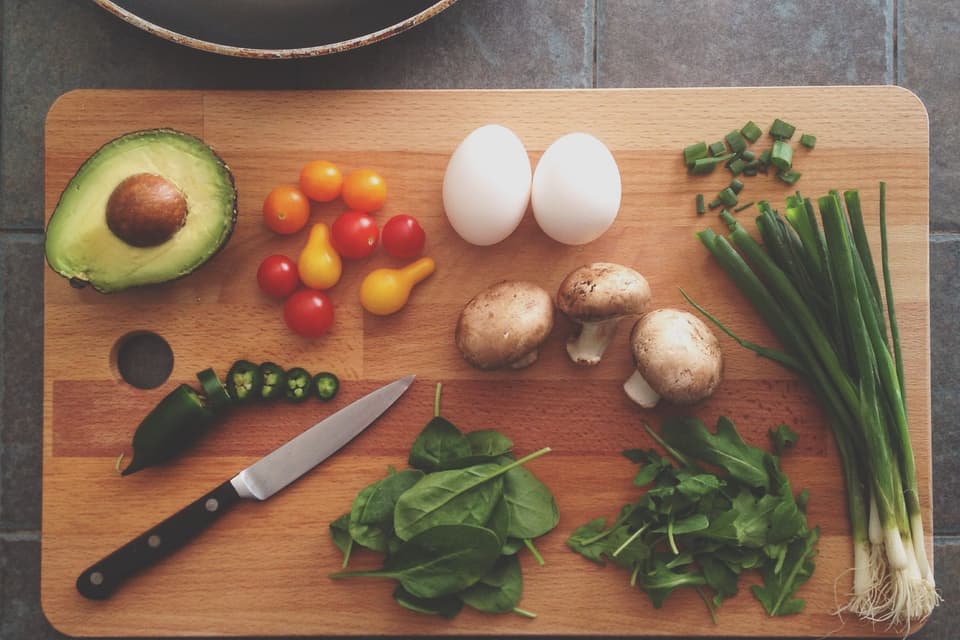
Photo is illustrative, not from a past month. Credits.
Quick answer. Doing it at home is free and builds habits where you actually live, but your old cues stay all around you. A month away removes most of those cues and gives you a ready-made routine, but it costs time and money, and the real test comes when you get home. If you have tried at home and February undid it, a month away is worth a look. If not, start at home with a plan.
Every January, a very large number of sensible people try to change a habit they have practised several evenings a week for years, and they try it in exactly the place where they practised it. Same kitchen. Same glasses in the same cupboard. Same 6pm feeling when the laptop closes. It is a bit like trying to give up biscuits while living in the biscuit factory. Some people manage it beautifully. Many find that by the second weekend the factory has won.
Thinking of spending some or all of January away? Start with my Dry January retreat 2027 guide: the short answers, the cost, and every January guide in one place.
Want it on paper? The free Dry January 2027 planner is a printable 31-day calendar with one small prompt a day, no sign-up.
So the question comes up every autumn: should I do Dry January at home, or go away for the month? This guide compares the two honestly: what each one costs, what each one is good at, where each one goes wrong, and a short test to help you choose. I run a hosted month, so I have an obvious interest in one answer. I'll try hard to be fair to the other, and for many readers the honest answer is "start at home".
Please read this first. If you drink heavily or every day, or use other drugs daily, stopping suddenly can be dangerous. Talk to a doctor before you stop. The Quiet Month is not medical, not therapy and not rehab. In a crisis, call your local emergency number or find a free helpline at findahelpline.com. More in our questions.
The short answer
- At home is free, fits around work and family, and builds new habits in the place you will live afterwards. The catch: every old cue is still there, every evening.
- A month away removes most of those cues at once and gives you a new routine from day one. The catch: it costs time and money, and the real test begins when you come home.
- The deciding question is usually not willpower. It is whether your problem is the first week (most people) or the routine itself (the people for whom February always undoes January).
Why the place matters more than people think
A lot of drinking is not a decision. It is a cue followed by a habit: the door closes, the bottle is in the fridge, the glass is in your hand before you have really thought about it. At home those cues are everywhere, and they are very well practised. A new place has none of them yet. That is the whole case for going away, in one sentence.
The research on ordinary holidays adds a warning, though. In a 2013 study in the Journal of Happiness Studies, Jessica de Bloom and colleagues followed 54 employees through long summer holidays. Well-being rose quickly, then returned to its usual level within the first week back at work. A change of place helps while you are there. Whether it helps afterwards depends on what you bring home.
And the research on Dry January itself is encouraging for both options. In a 2016 study in Health Psychology, Richard de Visser and colleagues at the University of Sussex followed 857 adults who took part. Six months later, people were drinking on fewer days and drinking less when they did drink, whether or not they had managed the full month. These were people who chose to take part, so it is not a promise for anyone. But it suggests the month is worth doing well, wherever you do it.
At home or away: side by side
| At home | Away, on your own | A small hosted month | |
|---|---|---|---|
| Cost | Free | Flat, flights, food | Highest: a fee plus flat and flights |
| Time off work | None needed | A month, or part of one | A month |
| Old cues around you | All of them | Very few | Very few |
| The routine | You build it | You build it | Built for you |
| Company | Your usual people | Strangers, or nobody | A small group, same rule |
| Where it goes wrong | The second Friday | Week two loneliness | Price, and fitting the group |
| The test | Every evening | Coming home | Coming home |
The case for staying at home
Let's be fair to the sofa. Doing it at home has three real strengths. It is free, and a month off drinking usually saves money rather than costing it. It is real: you learn to say no at your own dinner table, at your own office party, on your own Friday night, and that is exactly where you will need the skill in February. And it is flexible: no leave to book, no flights, no visas, no one to explain your absence to.
The home version works best with a plan rather than a promise. Clear the cupboard on 31 December. Put something good to drink in the fridge. Decide now what you will do at 6pm and on each of January's five weekends. My practical plan for January 2027 walks through all of it, and the free 31-day planner fits on the fridge door. If you would like a little company each morning, 30 Quiet Days is our free January programme: one short email a day, one small thing to try. You don't have to be sober to join. Would you rather cut down than stop? Read Damp January.
Home also suits anyone who should not be far from their own doctor. If you drink heavily or every day, stopping suddenly can be dangerous, and that conversation belongs with your GP before January starts, not in a new city on day two.
The case for a month away
A month away is not an escape from your life. It is a month of practice in a place that makes practice easier. Three things change at once. The cues go. No familiar bottles, no 6pm ritual, no friend who always says "go on, just one". The routine arrives. A new place makes it easy to start a new day: daylight, a walk, proper meals, early nights. And January gets your full attention, instead of the bits left over after work, family and the dark evenings.
It suits people who have tried at home and found that February undid it, people who are fine for a day or two but struggle with the routine, and people who simply want to give one January their whole attention. It also suits people for whom the hard part is loneliness, as long as the month away has some company in it. A month alone in a rented flat can be wonderful for ten days and long after that. I wrote about choosing a place and the paperwork in Dry January abroad.
The honest costs
At home: nothing extra. Most people spend less.
Away on your own: a month's rent for a flat, flights, food and travel insurance. That varies hugely by place and season, so price it before you decide. Take your medicine for the whole month plus a week, and never stop prescribed medicine for a dry month.
A hosted month: the highest cost. The Quiet Month is a US$10,000 programme fee for the month, which covers the shared meals, daily exercise, meditation, activities and local transport. Your own flat, flights, visas and insurance are extra, and you book and pay for them directly. See the all-in cost before you decide anything, and compare it with what other one-month stays cost.
And the cost nobody prices: time. A month away means a month of leave, or careful part-time work. January is quiet in many jobs, so ask early. My guide to Dry January at work covers the office side, and if your company might pay, there is a page for companies.
A five-question test
- Have you done a sober month at home before? If not, start at home. It is free, and you will learn a lot about your own cues.
- If you have, what went wrong? If it was one bad night, plan that night better and stay home. If it was the routine itself, every evening, a change of place helps.
- Can you take the time? If a month off work is impossible, the decision is made. Make home work brilliantly.
- Do you need your own doctor nearby? If you drink heavily or every day, yes. Stop safely at home with medical help first.
- Do you want company or quiet? Home gives you your usual people. Away alone gives you quiet. A small group gives you both, if you like the people.
Rowan is our AI assistant. Please keep health details for the video call.
Coming home: the part that decides everything
Whichever you choose, the result is decided in February. The holiday research says the glow fades within a week of getting back. The habit research says routines take longer than a month to feel automatic: in a University College London study led by Phillippa Lally, a new daily behaviour took an average of about 66 days, with very wide differences between people. So think of the month as the start of the practice, not the end of it.
- Pick three habits before the month ends: one about drinking, one about mornings, one about evenings. Write them on a card.
- Plan the first Friday of February the way you planned the first Friday of January.
- Keep one free tool going. The charity's free Try Dry app works in February too, and so does the planner.
If you go away, plan the trip home as carefully as the trip out. The airport lounge and the free glass on the plane are the first test. "Well, it's over now" is how many good Januaries end at gate 14.
Where The Quiet Month fits
The Quiet Month is the hosted version. The first month starts on 1 January 2027, with up to four guests. Each guest lives in their own private flat a short walk from me. We share simple low-carb meals, move every day at a pace that suits you, sit for a short, always optional meditation, explore, and talk over coffee in the evenings. Intermittent fasting is part of the month; I set each guest's eating window and adjust it, and if you feel unwell, you eat. The rule is no alcohol, no smoking, no drugs for the whole month. You keep your own phone, passport, money and key, and you can leave whenever you like.
Honestly: I'm self-taught, not a doctor or counsellor. The Quiet Month is not medical, not therapy and not rehab. Every guest is 21 or over and brings a doctor's fit-to-join letter and travel insurance. The location is never published; after a free video call, if we both want to go ahead, you learn the country and city before you sign anything. Nothing is paid before that call and a signed agreement. See January 2027: the founding guests.
And if home is the right answer for you this year, that is a good answer. Start with the plan and 30 Quiet Days, and come back to the idea of a month away another January, or never.
"Dry January" is a registered trademark of Alcohol Change UK. The Quiet Month is a separate, paid month and is not linked to the charity.
Questions people ask
Is it easier to do Dry January away from home?
For many people the first weeks are easier away, because the old cues (the cupboard, the 6pm ritual, the usual Friday) are not there and a new routine starts at once. The harder part moves to coming home, so plan your first week back before you leave.
Is a month away worth the money?
Only if home has not worked for you, or you want to give one January your full attention. If you have never tried a sober month at home, try that first: it is free. If you have, and February always undid it, a month away can be worth it. Price the whole thing, flat and flights included, before you decide.
Can I do part of January away and part at home?
Yes. A week or two away can carry you past the first evenings, which many people find the strangest. The Quiet Month itself is one month at least, but a short trip on your own can work as a start.
What if I drink every day?
Please talk to a doctor before you stop. If you drink heavily or every day, stopping suddenly can be dangerous. Stop safely at home with medical help first. A month away is a lifestyle choice, not medical care.
Is The Quiet Month part of Dry January?
No. Dry January is a campaign and registered trademark of Alcohol Change UK. The Quiet Month is a separate, paid month that happens to start on 1 January 2027, and is not linked to the charity.
Sources
- Alcohol Change UK: Dry January and the Try Dry app (includes the safety note for people who are dependent)
- de Visser, Robinson and Bond (2016), Health Psychology: Voluntary temporary abstinence from alcohol during "Dry January" and subsequent alcohol use (PubMed) (857 adults, six-month follow-up)
- de Bloom, Geurts and Kompier (2013), Journal of Happiness Studies: vacation after-effects, activities, experiences and sleep (54 employees; fade within the first week back)
- BPS Research Digest: How long does it take to form a habit? (Lally et al., UCL) (average 66 days, range 18 to a predicted 254)
- Find A Helpline: free helplines in many countries
Prices and facts were checked on 25 October 2026. Prices change; always check the source before you book anything.