Guide · Alcohol-free drinks
Is alcohol-free beer healthy? An honest, sourced answer
Alcohol-free beer has gone from a sad option at the back of the fridge to a whole shelf. But is it actually good for you, or just less bad? Here is a calm look at calories, sugar, labels and the moments when it helps or doesn't.
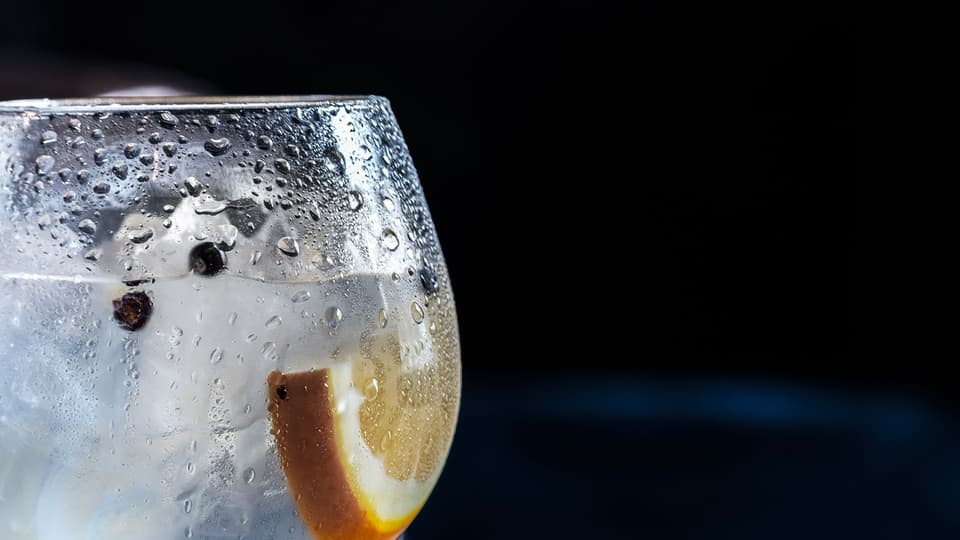
Photo is illustrative, not from a past month. Credits.
Quick answer. Alcohol-free beer is usually a better choice than regular beer: it has far less or no alcohol and often fewer calories. It is not a health drink: some brands add sugar, and "alcohol-free" is not automatically low calorie, so check the label. Labels differ: in the UK "alcohol-free" means 0.05% or less, while US "non-alcoholic" beer can contain up to 0.5%. If you are pregnant, have liver disease or are avoiding alcohol completely, choose 0.0% and ask your doctor.
If you are taking a month off, cutting down or just driving tonight, a cold 0.0% beer can make a pub, a barbecue or a football match feel normal. That is worth a lot. But "healthy" is a big word. Let's take it apart.
Please read this first. If you drink heavily or every day, or use other drugs daily, stopping suddenly can be dangerous. Talk to a doctor before you stop. The Quiet Month is not medical, not therapy and not rehab. In a crisis, call your local emergency number or find a free helpline at findahelpline.com. More in our questions.
Compared with what?
Most of the confusion comes from mixing up two questions:
- Is it healthier than regular beer? Usually, yes. Less or no alcohol, and often fewer calories.
- Is it healthy in itself? It is a soft drink made from grain. It isn't a health food, and some are sweeter than you would guess. Water, tea and plain sparkling water are still the simplest options.
Alcohol: is it really zero?
Not always. Labels mean different things in different countries:
| Label | What it usually means |
|---|---|
| UK "alcohol-free" | 0.05% or less (government guidance) |
| UK "de-alcoholised" | 0.5% or less |
| US "non-alcoholic" | Less than 0.5%, stated on the label |
| US "alcohol free" | No alcohol at all |
To put 0.5% in context, the British Heart Foundation notes that a 500ml can at 0.5% contains about a quarter of a UK unit. For most adults that is very little; some ripe fruit and juices contain traces too. But if you need true zero, for pregnancy, liver disease, certain medicines or because any taste of alcohol is risky for you, choose 0.0% and read the small print.
Calories and sugar
Alcohol is calorie-dense: about 7 calories per gram, almost as much as fat. Take most of it out and calories usually fall. The NHS puts a pint of 5% beer at up to 222 calories; many alcohol-free lagers have well under half that. But Drinkaware's advice is clear: don't assume "alcohol-free" means "low calorie". Some brewers add sugar or leave more unfermented sugar in to restore body and sweetness. In the UK, drinks of 1.2% or less must show nutrition information on the label, so you can check.
- Lighter: crisp 0.0% lagers and pale ales are often the lowest in calories.
- Heavier: wheat beers, stouts and fruit beers can carry more sugar.
- Rule of thumb: compare "per 100ml" on the label, not per bottle.
Liver, heart and hydration
Liver. The liver's work with alcohol depends on the alcohol. A drink with little or none places far less load on it than beer does. That does not make alcohol-free beer a liver tonic; it simply removes most of the problem.
Heart. The British Heart Foundation says drinking less, or not at all, is one of the best things you can do for your heart, and that old claims about drink being good for the heart have been overtaken by newer research.
Hydration. Unlike regular beer, an alcohol-free beer won't make you lose extra fluid through alcohol. Some sports drinkers like it after exercise. It is still not better than water for hydration.
Rowan is our AI assistant. Please keep health details for the video call.
Is it healthier than a fizzy soft drink?
Often similar or a little better on sugar, depending on the brand. A sweet cola and a sweet wheat beer may be close; a dry 0.0% lager usually has less sugar than a regular cola. Read the label and compare per 100ml.
When it helps, and when it doesn't
- Helps: at social events, sport, barbecues, as the "beer" moment without the beer, and for drivers.
- Helps: as a step down if you are cutting your drinking.
- May not help: if a 6 pm alcohol-free beer quietly keeps the old ritual warm and leads to the real thing. Then choose something that tastes different: ginger and lime, hot tea, a bitter mocktail.
- Not suitable: if your doctor has told you to avoid alcohol completely; pick 0.0% or skip it.
Pregnancy and driving
Pregnancy: UK guidance is that the safest approach is no alcohol at all. If you choose alcohol-free drinks, pick 0.0% and ask your midwife or doctor.
Driving: a 0.0% beer will not affect a breath test. A 0.5% beer contains so little alcohol that it is very unlikely to, but many people choose 0.0% to be certain. Never mix it with regular beer and drive.
Bottom line
Alcohol-free beer is a sensible swap, not a superfood. Choose 0.0% if zero matters to you, check calories per 100ml, and notice whether it is helping you drink less or keeping the habit warm. If you want to try a month off, the Dry January calculator shows the money, calories and units you keep, and our guide to choosing a good non-alcoholic beer helps with the shelf.
Where The Quiet Month fits
In The Quiet Month there is no alcohol for anyone, and that includes the edges: we keep the evenings simple with good cold drinks, teas and long talks, so nobody has to think about percentages.
The Quiet Month is a calm month away for up to four guests, each in their own private flat a short walk from me: slow mornings, a short, always optional meditation, daily movement, shared low-carb meals and long evening talks, with no alcohol, no smoking and no drugs for anyone, me included. The first month starts on 1 January 2027, then on the 1st of every month. Honestly: I'm self-taught, not a doctor or counsellor, and The Quiet Month is not medical and not therapy. Every guest is 21 or over and brings a doctor's fit-to-join letter. I don't publish where I am; after a free video call, if we both want to go ahead, you learn the country and city before you sign anything, and nothing is paid before that call and a signed agreement. The programme fee is US$10,000 for the month; your flat and flights are extra. See the January 2027 month and what the fee includes.
Email me first at info@thequietmonth.com, start step 1 of the application (about five minutes, free, no commitment), or book a free 20-minute call.
The Quiet Month team
Questions people ask
Is alcohol-free beer healthy?
It is usually healthier than regular beer, with little or no alcohol and often fewer calories, but it is not a health drink. Some brands add sugar; check the label.
Does alcohol-free beer have calories?
Yes, usually fewer than regular beer because alcohol itself has about 7 calories per gram. Wheat beers, stouts and fruit beers can carry more sugar. Compare per 100ml.
Is alcohol-free beer really alcohol-free?
Not always. UK "alcohol-free" means 0.05% or less; US "non-alcoholic" beer can contain up to 0.5%. A 500ml can at 0.5% is about a quarter of a UK unit. Choose 0.0% for true zero.
Is alcohol-free beer bad for your liver?
It places far less load on the liver than regular beer because it has little or no alcohol. If you have liver disease, choose 0.0% and ask your doctor.
Can I drink alcohol-free beer when pregnant?
UK guidance is that no alcohol is safest in pregnancy. If you choose alcohol-free drinks, pick 0.0% and check with your midwife or doctor.
Sources
- Drinkaware: Alcohol-free drinks (nutrition labels on drinks of 1.2% or less; alcohol-free is not automatically low calorie; read 3 Nov 2026)
- Drinkaware: Differences between alcoholic and alcohol-free beers (check every label for calories)
- British Heart Foundation: Are non-alcoholic drinks healthy? (alcohol-free red about 30 kcal a glass vs about 90; zero sparkling about 35 vs about 75; 500ml of 0.5% beer about a quarter of a unit)
- NHS: Calories in alcohol (pint of 5% beer up to 222 kcal; 175ml of 12% wine up to 158 kcal; 7 kcal per gram; read 3 Nov 2026)
- GOV.UK: Low alcohol descriptors guidance (alcohol-free 0.05% or less; de-alcoholised 0.5% or less; low alcohol 1.2% or less)
- eCFR: 27 CFR 7.71, Alcohol content (malt beverages, US) ("non-alcoholic" under 0.5% with a statement; "alcohol free" only with none)
- Find A Helpline: free helplines in many countries
Prices and facts were checked on 3 November 2026. Prices change; always check the source before you book anything.