Food · Dry January 2027
Dry January weight loss: what to expect, honestly
Some people step on the scales on 1 February and find a pleasant surprise. Others find nothing has moved, or worse. The difference is rarely willpower. It is maths, and what quietly replaces the drinks.
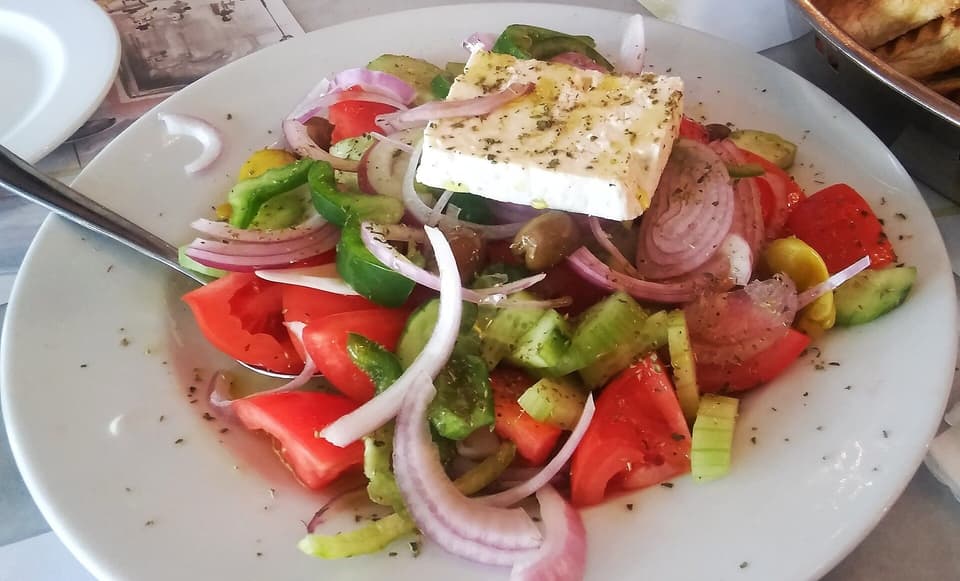
Photo is illustrative, not from a past month. Credits.
Quick answer. Many people lose a little weight in Dry January, but not everyone. Alcohol has 7 calories per gram; the NHS says a pint of 5% beer has up to 222 kcal and a 175ml glass of 12% wine up to 158 kcal. In a 2018 study, people who stopped drinking for a month lost about 1.5% of their weight on average, and about half of Dry January participants in one survey reported losing weight. Gains usually come from sugary swaps and late-night snacks.
Weight is one of the most common reasons people try Dry January, and one of the most common disappointments. Let's look at what is realistic, using real numbers rather than before-and-after photos.
Please read this first. If you drink heavily or every day, or use other drugs daily, stopping suddenly can be dangerous. Talk to a doctor before you stop. The Quiet Month is not medical, not therapy and not rehab. In a crisis, call your local emergency number or find a free helpline at findahelpline.com. More in our questions.
How many calories are in your drinks?
Alcohol itself carries 7 calories per gram, almost as many as fat, before you count the sugar in the drink or the mixer. Using NHS figures:
| Drink | Calories (NHS, "up to") | Ten a week is about |
|---|---|---|
| Pint of 5% beer | 222 kcal | 2,220 kcal a week |
| 175ml glass of 12% wine | 158 kcal | 1,580 kcal a week |
| 275ml bottle of 4.5% alcopop | 154 kcal | 1,540 kcal a week |
| Double (50ml) of 40% spirits, no mixer | 100 kcal | 1,000 kcal a week |
Over the 31 days of January, ten pints a week is roughly 9,800 calories not drunk; ten glasses of wine about 7,000. Your own numbers are in the Dry January calculator.
So how much weight will I lose?
Honestly: probably a little, possibly none, and it depends on what you drank before. Two pieces of evidence:
- The measured study. In a 2018 study in BMJ Open, 94 moderate-to-heavy drinkers who stopped for a month lost about 1.5% of their body weight on average, around 1.2 kg for someone weighing 80 kg. People who kept drinking didn't change. The study was small and not randomised.
- The surveys. In the charity's summary of University of Sussex research, 54% of Dry January participants said they lost weight. So, roughly half didn't, or didn't notice.
Forget the old rule that 3,500 calories always equals a pound of fat. Researchers led by Kevin Hall showed in The Lancet in 2011 that the body adapts, so real weight change is slower and smaller than that rule predicts. Fewer calories still help; just expect a gentle slope, not a cliff.
Rowan is our AI assistant. Please keep health details for the video call.
Why some people gain weight in Dry January
- The sugar swap. A can of regular cola, a hot chocolate, a "mocktail" made with syrup: some alcohol-free drinks carry as many calories as the drink they replaced. Check the label.
- The evening reward. The glass of wine was a full stop at the end of the day. Without it, many people reach for chocolate or biscuits instead. That is normal; plan a different full stop.
- Celebrating early. "I haven't had a drink all week, so I deserve the takeaway" is a very human piece of accounting.
- The cold, dark month. January is when most of us move least. Fewer walks can cancel out the drinks.
Seven ways to keep the calories you save
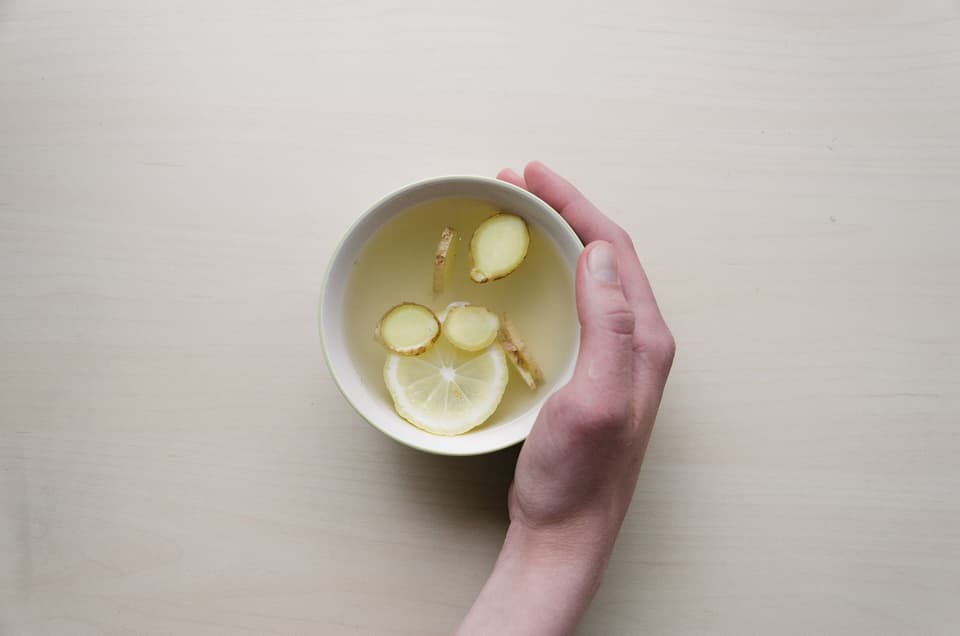
- Pick low-sugar drinks for 6 pm: sparkling water with lime and ginger, cold herbal tea, a 0.0% beer. Ideas in easy mocktail recipes.
- Eat a proper dinner earlier. Late hunger is where snacks creep in.
- Plan the full stop: a shower, a short walk, a cup of tea, a chapter of a book. Same time each day.
- Walk daily. The World Health Organization's target for adults is at least 150 minutes of moderate activity a week: a brisk 20 to 25 minutes a day.
- Notice sleep. Many people sleep better without alcohol, and a rested brain makes calmer food choices. More in sleep without alcohol.
- Weigh on 1 January and 1 February only. Daily weighing mostly measures water.
- Don't diet hard at the same time unless you want to. Stopping drinking is already a big change; one change at a time tends to stick.
Measures that may move more than the scale
Many people notice changes the scales don't show: a less puffy face in the mornings, a waistband that feels kinder, more energy for walking. These are worth writing down on 1 January and 31 January. The research picture, beyond weight, is in Dry January benefits.
If weight loss is your main goal
Talk to your doctor if you have a lot to lose, take medicines, or have a condition such as diabetes; stopping alcohol and changing food at the same time can affect blood sugar and some medicines. And remember the month is not a crash diet. The best result is a habit that lasts into February: see after Dry January.
Where The Quiet Month fits
In The Quiet Month, food is part of the day, not an afterthought: shared low-carb meals, daily movement and early nights, with no alcohol for anyone. Nobody is weighed and nothing is promised, but the setting makes the sensible choices the easy ones.
The Quiet Month is a calm month away for up to four guests, each in their own private flat a short walk from me: slow mornings, a short, always optional meditation, daily movement, shared low-carb meals and long evening talks, with no alcohol, no smoking and no drugs for anyone, me included. The first month starts on 1 January 2027, then on the 1st of every month. Honestly: I'm self-taught, not a doctor or counsellor, and The Quiet Month is not medical and not therapy. Every guest is 21 or over and brings a doctor's fit-to-join letter. I don't publish where I am; after a free video call, if we both want to go ahead, you learn the country and city before you sign anything, and nothing is paid before that call and a signed agreement. The programme fee is US$10,000 for the month; your flat and flights are extra. See the January 2027 month and what the fee includes.
Email me first at info@thequietmonth.com, start step 1 of the application (about five minutes, free, no commitment), or book a free 20-minute call.
The Quiet Month team
Questions people ask
Will I lose weight doing Dry January?
Many people lose a little: in a 2018 study, people who stopped for a month lost about 1.5% of their weight on average, and about half of participants in one survey reported losing weight. Results depend on how much you drank and what replaced it.
How many calories will I save in Dry January?
It depends on your drinks. Ten pints of 5% beer a week is roughly 9,800 kcal over January; ten 175ml glasses of 12% wine roughly 7,000 kcal. Our free Dry January calculator works it out from your own numbers.
Why have I gained weight during Dry January?
Usually from what replaced the drinks: sugary soft drinks, evening snacks, takeaways as a reward, and less movement in a cold month. Plan a low-sugar 6 pm drink and a different end-of-day ritual.
Why am I not losing weight in Dry January?
The body adapts, weight changes slowly, and daily weighing mostly shows water. If you didn't drink very much before, the calorie gap is small. Compare 1 January with 1 February, and notice energy and sleep too.
Does alcohol-free beer have fewer calories?
Usually, yes, because alcohol itself has 7 calories per gram, but some alcohol-free beers and wines add sugar. Check the label.
Sources
- NHS: Calories in alcohol (pint of 5% beer up to 222 kcal; 175ml of 12% wine up to 158 kcal; 7 kcal per gram; read 3 Nov 2026)
- Mehta G et al. (2018), BMJ Open: Short-term abstinence from alcohol and changes in cardiovascular risk factors, liver function tests and cancer-related growth factors (94 people abstaining vs 47 drinking; not randomised; read 3 Nov 2026)
- Alcohol Change UK: The evidence behind the Dry January challenge (de Visser 2019: 86% saved money, 70% slept better, 66% more energy, 54% lost weight; tools roughly double the chance of a dry month; read 3 Nov 2026)
- Hall KD et al. (2011), The Lancet: Quantification of the effect of energy imbalance on bodyweight (the 3,500-calorie rule overestimates weight change)
- World Health Organization: Physical activity fact sheet (26 June 2024) (adults: at least 150 minutes of moderate activity a week)
- Find A Helpline: free helplines in many countries
Prices and facts were checked on 3 November 2026. Prices change; always check the source before you book anything.