Guide · Food
Keto travel food: how to eat well in any city, airport or market
What to order, what to buy, where the hidden carbs hide, and how to keep food safe when you travel. Plain, practical and not a diet sales pitch.
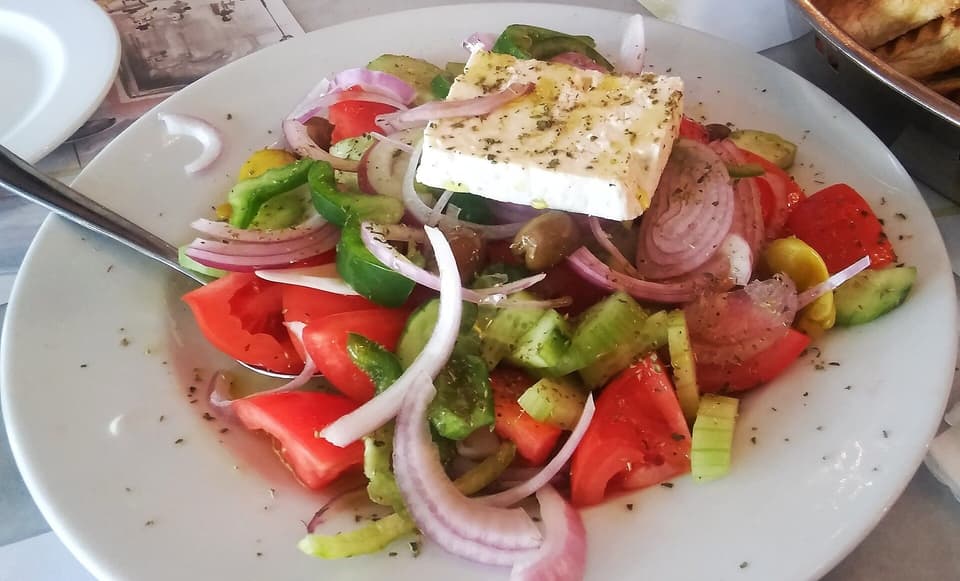
Photo is illustrative, not from a past month. Credits.
Please read this first. A keto-style diet is not right for everyone. If you have diabetes or take any regular medication, are pregnant or breastfeeding, have a kidney condition, or have ever had an eating disorder, talk to your doctor before you change how you eat. Some diabetes medicines may need adjusting when you cut carbohydrates. I am self-taught in nutrition, not a doctor or a dietitian, and nothing here is medical advice. If you are struggling, you can find a free helpline at findahelpline.com.
Finding good keto travel food sounds harder than it is. Yes, airports are full of muffins, and every hotel breakfast seems to be a pyramid of pastries. But almost every food culture in the world has grilled meat, fish, eggs, vegetables, cheese and olive oil or butter somewhere on the menu. The trick is knowing what to order, what to ask for, and where the carbs hide. This guide is the one I wish I'd had the first time I tried to eat low-carb in a city where I couldn't read the menu.
First: what "keto-style" means here
A strict ketogenic diet is very low in carbohydrate. Harvard T.H. Chan School of Public Health's Nutrition Source describes it as typically less than 50 grams of carbohydrate a day, and sometimes as low as 20 grams. Most of the energy comes from fat, with moderate protein.
When I say "keto-style", I mean something simpler and less fussy: eggs, fish, meat, vegetables, olive oil, nuts and a little fruit, with bread, rice, pasta, potatoes and sugar mostly left out. It is how I eat, and it is what we eat together during The Quiet Month. I don't count every gram on the road, and you don't have to either.
Two honest points. First, this is not a weight-loss promise. People's bodies differ, and nobody can tell you what a diet will do for you. Second, the same Harvard page notes that a very low-carb diet is not for everyone, and suggests talking to a doctor and a dietitian before starting. Please read the box above again if any of it applies to you.
Keto travel food: five rules that work almost anywhere
- Build every plate around protein and vegetables. Grilled, roasted, stewed or raw (where safe). Then add fat: olive oil, butter, cheese, nuts, avocado.
- Ask for the swap, politely. "Salad instead of fries." "Extra vegetables, no rice." Most kitchens are happy to help if you ask kindly.
- Sauce on the side. Sweet glazes and thickened sauces are where a "low-carb" dish quietly stops being one.
- Send the bread basket back. Or ask for olives instead. Easier than resisting it for forty minutes.
- Drink water, tea or coffee. Juices, smoothies and soft drinks are mostly sugar. Sparkling water with lemon looks festive and costs little.
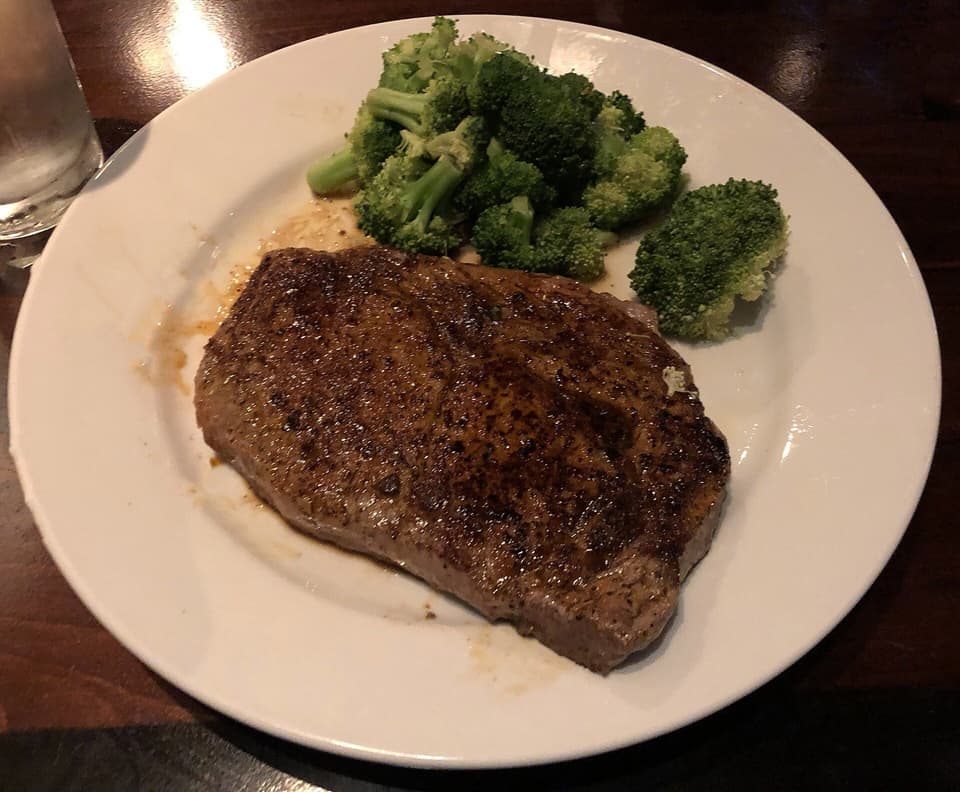
What to order: low-carb dishes in different cuisines
You don't need a keto restaurant. You need to know which dishes on a normal menu already fit. Here are the ones I look for. Recipes vary from kitchen to kitchen, so when in doubt, ask.
Greek and Turkish
Among the easiest. Grilled fish, lamb chops, souvlaki or kebab meat without the bread, a village salad with feta and olives, grilled halloumi, aubergine dishes, yoghurt-and-cucumber dips with raw vegetables instead of pitta. Skip the rice, the bread and the honey desserts.
Levantine and North African grills
Mixed grills, kofta, grilled chicken, chopped salads, olives, labneh. Tagines can work if you leave the couscous and bread, but some are cooked with dried fruit or honey, so ask.
Japanese
Sashimi (rather than sushi rice), grilled fish, yakitori ordered with salt rather than the sweet sauce, edamame in small amounts, miso soup. Be careful with teriyaki, tempura batter and sweet sauces.
Brazilian and Argentine grills
Grilled meats of every kind, often with salad and grilled vegetables. Leave the rice, beans, cassava and bread on the side. Chimichurri is usually herbs, oil and vinegar.
Indian
Tandoori meats, tikka (without the naan), paneer dishes, many vegetable curries and dal in small amounts. Rice and breads are the main carbs; some sauces include sugar or cream thickened with flour, so ask if you can.
Mexican
Fajitas without the tortillas, grilled meats, guacamole, salsa, cheese, a "bowl" with no rice and no beans. Skip the chips basket.
Italian, French and Spanish
Go straight to the main courses: grilled fish, steak, roast chicken, omelettes, mussels, cheese boards (minus the crackers), green salads. Spanish tortilla contains potato, so choose a plain omelette instead. Pasta, pizza and risotto are the obvious ones to skip.
Thai, Vietnamese and Chinese
Harder, because many sauces contain sugar, and noodles and rice are central. Look for grilled meats and fish, clear soups without noodles, stir-fried greens, and ask for "no sugar" where you can. Accept that it may be keto-ish rather than strict here, and that is fine.
Markets and supermarkets: a simple shopping list
If you have a small kitchen or even just a fridge, a market or supermarket makes low-carb travel easy, and cheaper than eating out every meal.
- Eggs. Boil a batch on day one and keep them in the fridge.
- Cheese that travels well: hard cheeses, feta, halloumi.
- Tinned fish: sardines, mackerel, tuna in olive oil.
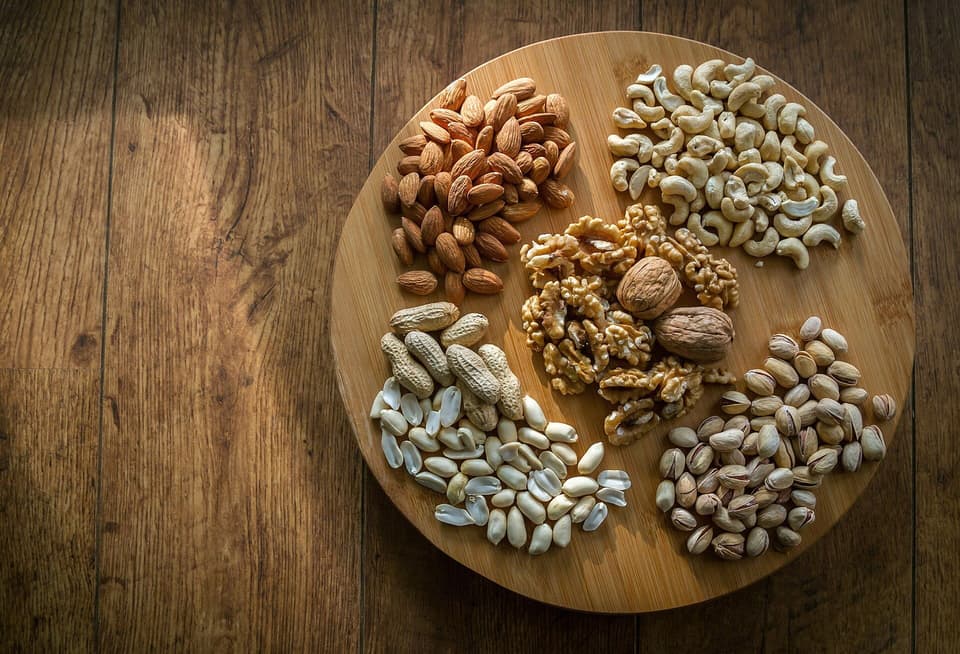
- Olives, nuts and seeds, in small bags, not a giant tin.
- Vegetables you can eat raw (where safe): cucumber, peppers, tomatoes, lettuce.
- Avocados, which you peel yourself.
- Plain full-fat yoghurt rather than flavoured ones, which are often sweetened.
- Cooked meats from a counter you trust, eaten the same day.
- A small bottle of olive oil and a lemon. They make almost anything taste better.
Read labels where you can. "Low fat" versions often add sugar to make up for the taste. If you can't read the language, a translation app pointed at the label works well enough.
Airports, trains and long travel days
Travel days are where most low-carb plans fall over, because the easy food is all bread. A little planning helps.
- Pack food from home: nuts, cheese, boiled eggs (eat them early), a few olives. Check the rules for taking food across borders, which can be strict about meat, dairy and fresh produce.
- At the airport, look for salads with chicken or egg, cheese boxes, nuts, or a café that will make an omelette. Leave the sandwich bread and eat the filling if that's all there is.
- On the plane, eat the protein and vegetables, leave the roll and dessert, and drink plenty of water.
- On arrival, find one café or market near where you are staying on the first day. Knowing where breakfast is makes the whole trip calmer.
Food safety comes first
A keto-style plate leans on meat, fish, eggs and fresh vegetables, which are exactly the foods where travel hygiene matters most. The CDC's travel guidance (the Yellow Book) is worth knowing:
- Raw and undercooked food is the riskiest, including raw or undercooked meat, fish, eggs, and unpasteurised dairy.
- Food that is fully cooked and served hot is among the safest choices.
- Fruit you peel yourself, after rinsing with safe water, is generally safer than fruit cut by someone else.
- Where tap water may be unsafe, drink from factory-sealed bottles, and avoid ice unless you are reasonably sure it was made with safe water.
In practice, that means: in places with doubtful hygiene, choose the grilled fish over the ceviche, the cooked vegetables over the salad, and the avocado over the pre-cut fruit cup. A strict diet is not worth a ruined week.
Where the hidden carbs hide
Most "surprise" carbs on the road come from a short list. Once you know it, you will spot them everywhere.
- Sweet sauces and glazes: teriyaki, barbecue, sweet chilli, honey-mustard, many marinades.
- Batter and breadcrumbs: anything "crispy", "breaded" or "tempura".
- Thickened soups and sauces, often thickened with flour or starch.
- Salad dressings with sugar. Olive oil and lemon or vinegar is the safe choice.
- Smoothies, juices and "healthy" bowls, which can be mostly fruit and sugar.
- Sausages and meatballs, which sometimes contain breadcrumbs or rusk.
- Coffee drinks with syrups. A plain coffee with a splash of cream or milk is simpler.
The first week: what some people notice
If you are new to eating this way, the first days can feel odd. The Harvard Nutrition Source lists symptoms some people report when carbohydrates are cut sharply: hunger, tiredness, low mood, irritability, constipation, headaches and "brain fog", which may last days to weeks. That is one reason not to start a strict new diet on the first day of a long trip, when you are also dealing with jet lag and a new bed.
A gentler approach is to cut back gradually before you travel, eat enough, drink plenty of water, and keep vegetables high. If you feel unwell in any way, stop and see a doctor. And if you have diabetes, Diabetes UK advises speaking to your healthcare team before making significant changes to your diet, because insulin and some diabetes medicines may need adjusting, and some (SGLT2 inhibitors) may need to be stopped when cutting carbohydrate.
Keto and alcohol-free travel go well together
Many drinks are carbohydrate in a glass, and evenings out tend to end with chips, pizza or a midnight kebab with all the bread. You may find a low-carb plate is simply easier when the bar isn't part of the evening. If you are also planning a trip without drinking, my guide to the alcohol-free holiday covers choosing a place, planning evenings and staying safe.
How we eat during The Quiet Month
During The Quiet Month, everyone eats the same shared meals: low-carb and keto-style, built from eggs, fish, meat, vegetables, olive oil, nuts and a little fruit. Allergies and medical diets are agreed before you arrive, and your own doctor's fit-to-join letter covers a low-carb diet as well as daily exercise and a month without alcohol.
I want to be clear about my role. I am self-taught in nutrition. I eat this way because it suits me, and I share the routine. I am not a doctor or a dietitian, and The Quiet Month is not medical, not therapy and not rehab. Nobody is weighed, measured or told what their body "should" do.
The rest of the month is just as simple: daily exercise at your pace, short optional meditation, outings, a free day each week and long conversations. Up to four guests, each in their own private flat. The full day is on the month page, the costs are on the price page, and questions are answered in the FAQ. If you are comparing a month with luxury retreats, see what a one month wellness retreat costs.
A one-page keto travel checklist
- A doctor's OK first if you have diabetes, take medication, are pregnant, have a kidney condition or have had an eating disorder.
- Snacks for travel day: nuts, cheese, boiled eggs.
- One phrase in the local language: "no bread, no rice, please".
- The five rules: protein and vegetables, ask for swaps, sauce on the side, skip the bread, drink water.
- A short list of dishes for the local cuisine.
- A market or supermarket found on day one.
- Food safety: cooked and hot, peel it yourself, sealed water.
- Kindness to yourself when the only thing on offer is a sandwich. Eat the filling. Move on.
Low-carb travel doesn't need to be perfect to be pleasant. Most days, a grilled main, a big salad and a good coffee will do the job almost anywhere in the world.
Questions people ask
Is it hard to eat keto while travelling?
Usually not. Most cuisines have grilled meat or fish, eggs, vegetables and cheese. The hard parts are travel days and sweet sauces. Pack snacks and ask for swaps.
Who should not try a keto-style diet without a doctor?
Anyone with diabetes or taking regular medication, anyone pregnant or breastfeeding, anyone with a kidney condition, and anyone who has had an eating disorder. Talk to your doctor first.
Will I lose weight on a keto-style trip?
Nobody can promise that. Bodies differ, and The Quiet Month makes no weight or health promises. We simply eat simple, shared, low-carb meals.
Is Sami a dietitian?
No. Sami Adham (professional name) is self-taught in nutrition. He is not a doctor or a dietitian, and nothing on this site is medical advice.
Sources
- Harvard T.H. Chan School of Public Health, The Nutrition Source: Diet review, ketogenic diet (carbohydrate levels, side effects, who should be careful)
- Diabetes UK: Low-carb diet and meal plan (medication and SGLT2 note)
- CDC Yellow Book: food and water precautions for travelers
- Find A Helpline: free helplines in many countries
Prices and facts were checked on 23 October 2026. Prices change; always check the source before you book anything.