Guide · Travel
The alcohol-free holiday: why travellers choose one, and how to plan yours
What an alcohol-free holiday is, what the surveys really say, how a simple trip compares with a sober retreat or a luxury spa, and how to plan one you enjoy.
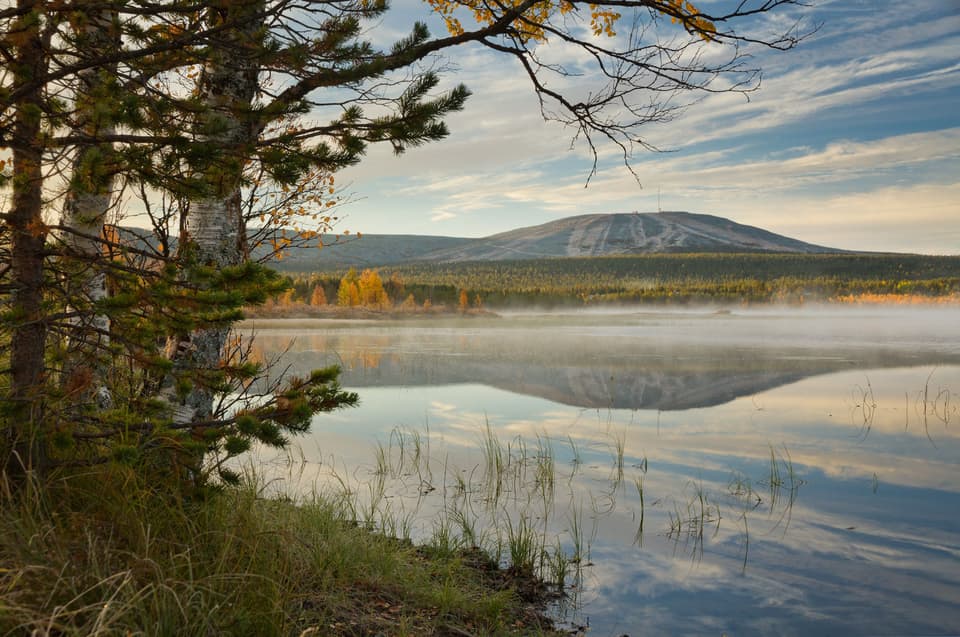
Photo is illustrative, not from a past month. Credits.
Please read this first. If you drink heavily or every day, or use other drugs daily, stopping suddenly can be dangerous. Talk to a doctor before you stop. The Quiet Month is not medical, not therapy and not rehab. In a crisis, call your local emergency number or find a free helpline at findahelpline.com. More in our questions.
An alcohol-free holiday used to sound like a holiday with the fun taken out. A week in the sun with no cocktails? Why bother? But more travellers now book one on purpose, and not because a doctor told them to. They want their mornings, their money and their memories back. This guide explains what an alcohol-free holiday is, what the surveys actually say (and what they don't), how a simple trip compares with a sober retreat or a luxury spa, and how to plan one you will enjoy rather than endure.
What an alcohol-free holiday actually is
It is exactly what it sounds like: a trip where you don't drink. That is the only rule. Everything else is up to you. It can be a city break, a beach week, a walking holiday, a long stay somewhere quiet, or an organised retreat where nobody drinks.
There are roughly three ways to do it:
- On your own terms. You book a normal trip and simply don't drink. Cheapest and most flexible, but you will be surrounded by people who do.
- A sober retreat. Nobody drinks, by rule. There is usually a daily programme: food, movement, quiet time, sometimes classes.
- A resort or spa where you choose not to drink. Comfortable, often beautiful, but alcohol is usually still on the menu, and sometimes on the welcome tray.
None of these is "the right one". It depends on what you want from the trip, and how much you want the setting to help you.
What the surveys say, and what they don't
You may have seen headlines saying young travellers are giving up drinking on holiday. Here is where the most quoted numbers come from.
In 2024, the student travel company StudentUniverse published its State of Student Travel Report 2024. Its press release describes a survey of 6,000 people aged 18 to 25 in full-time education, split across the US, Canada, the UK and Australia. It reports that:
- 77% opt for breaks with no alcohol at all;
- 69% are concerned about their safety abroad when drunk;
- 47% are concerned about the cost of drinking abroad;
- only 21% said partying abroad was their priority, while 47% put sightseeing and culture first.
Two honest notes. First, this is a company's survey of young students, not of everyone. Second, "opting for breaks with no alcohol" in a survey is not the same as a whole generation never touching a drink on a beach. Different articles repeat slightly different versions of these numbers, so I have used the figures from the press release itself, linked at the end.
What about older travellers? There is less survey data on holidays specifically. But a well-known study of people who did Dry January gives a clue about what people notice when they take a break. In a University of Sussex survey of around 800 people who took part in 2018, 88% said they saved money and 71% said they slept better. Those are self-reported answers from people who chose to take part, not a promise for anyone. Still, money and sleep come up again and again when people talk about why they like an alcohol-free trip.
Why travellers choose an alcohol-free holiday
From the surveys, and from the plain logic of a week away, the reasons fall into a few groups.
1. The mornings
Holidays are short. Losing the first half of every day to a sore head is an expensive way to spend them. Without a late bar, the sunrise walk, the early swim and the quiet market before the crowds all become possible. Many people say this is the part they liked most.
2. The money
Holiday drinks are rarely cheap, especially in hotels and tourist areas. A couple of cocktails each evening can quietly add up to the price of a good day out. Nearly half the students in the StudentUniverse survey mentioned cost. You don't need a survey to check this one, though: look at your last holiday's bank statement.
3. Safety
Being drunk in a place you don't know, in a language you may not speak, is riskier than being drunk at home. The UK government's Travel Aware campaign warns that drink spiking and methanol poisoning can happen on holiday, and advises avoiding free shots and suspiciously cheap alcohol. Not drinking at all removes a whole category of things that can go wrong.
4. Remembering the trip
A holiday is partly the memories you bring home. It is hard to keep the ones you don't quite remember making.
5. A deliberate pause
Some people use an alcohol-free holiday as a reset: a chance to step out of a habit somewhere new, where the usual triggers (the usual pub, the usual Friday, the usual bottle) are a long way away. "Sober curious" is the popular name for this. You don't need a label, though. "I fancied a break" is reason enough.
Sober retreat, luxury spa or a simple trip: which kind of alcohol-free holiday?
People often weigh a sober retreat against a luxury spa resort. They can look similar in photos, all white towels and calm water. They are built for different things.
| Simple trip, no drinking | Sober retreat | Luxury spa resort | |
|---|---|---|---|
| Is alcohol around? | Yes, everywhere, you just don't order it | No, by rule | Usually yes, on the menu; you choose not to |
| Daily structure | None, you plan it | Yes, a programme | Optional, mostly bookable extras |
| Company | Whoever you travel with | A group who are also not drinking | Other guests, many of whom may drink |
| Best for | Confident, independent travellers | People who want the setting to help | People who want rest and pampering |
A luxury spa is wonderful if what you want is comfort: a beautiful room, spa sessions and someone else doing everything. Some resorts now offer alcohol-free programmes, and many have good alcohol-free drinks. But a spa is not built around not drinking, so the wine list is usually still there at dinner. If you are happy to ignore it, a spa can be a lovely alcohol-free holiday.
A sober retreat is built around the absence of alcohol. Everyone there has made the same choice, so you never have to explain yourself at dinner. That is the big advantage. The downsides: fewer frills than a resort, a programme you are expected to join, and other people's company, which you may or may not love. If you want a deeper look at the difference between retreats and other options, I wrote a separate guide on sober retreats, sober living and a rehab centre.
A simple trip where you don't drink is the cheapest and freest choice. It works best if you are already confident saying "no thanks", and if you plan your evenings, because that is where most people find it hardest.
For a side-by-side look at what retreats and luxury resorts actually charge, see what a one month wellness retreat costs.
How to choose the place
The place matters more than people expect. A few practical tests:
- Choose for the days, not the nights. Good walks, nature nearby, markets, swimming, things to see in daylight. A resort town whose main event starts at 11pm is hard work without a drink.
- Pick a calm neighbourhood. Staying above a bar street is not ideal when you plan to be asleep by ten.
- Look at the food. When you are not drinking, meals become the social event. A place with good cafés and good, simple food makes evenings much easier.
- Stay longer in one place. Moving every two days means lots of evenings in transit, in bars near stations, killing time. One base is calmer.
- Check the local rules. The Travel Aware campaign advises checking official travel advice for local laws and risks before you go. That is good advice for any trip.
How to plan the evenings
For most people, the daytime of an alcohol-free holiday is easy. It is 6pm to 9pm that needs a plan, because that is when the old habit says "sundowner". Fill the slot before it arrives.
- An evening walk as the light goes. It marks the end of the day the way a first drink used to.
- A long dinner. Order slowly. Try the local dishes you wouldn't cook at home.
- A good alcohol-free drink. Fresh juice with soda, mint tea, a local soft drink, or a well-made mocktail. Having something nice in your hand matters more than it should.
- A swim, a sunset, a book. Holidays are the one time an early night isn't boring. It's the point.
- Ten minutes of quiet sitting. No app needed. Just sit, breathe and let the day go.
Need help with what to say when someone offers you "just one"? My guide on how to plan a month off alcohol has a few short, cheerful lines that end most conversations in seconds.
Staying well on an alcohol-free holiday
Not drinking takes care of some holiday risks. It doesn't take care of all of them.
- Drink plenty of water, especially in the heat. Where the tap water may not be safe, the US Centers for Disease Control and Prevention (CDC) advises drinks from factory-sealed bottles, and avoiding ice unless you are reasonably sure it was made with safe water.
- Get travel insurance with medical cover, and read what it covers before you go.
- Bring any medicine you need, with prescriptions, and check whether it is allowed where you are going.
- Mind the sun. Clear mornings make long walks tempting. Go early, wear a hat, rest at midday.
Who an alcohol-free holiday is not right for
This part matters. A holiday is a holiday. It is not a way to stop heavy drinking.
If you drink heavily or every day, stopping suddenly can be dangerous. MedlinePlus, from the US National Library of Medicine, explains that alcohol withdrawal can range from mild to serious and even life-threatening. Alcohol Change UK advises people who are dependent on alcohol to get help from a GP or local alcohol service to cut down safely, rather than stopping all at once.
So if that might be you, please don't book an alcohol-free holiday as your plan to stop, especially somewhere far from home and far from your own doctor. See a doctor first. If it feels urgent, find a free, confidential helpline at findahelpline.com. Asking for help is a sensible step, not a failure.
Where The Quiet Month fits
The Quiet Month is an alcohol-free holiday stretched to a month, with the planning done for you. Up to four guests live in their own private flats near me, in one calm place. We share low-carb, keto-style meals, exercise every day at a pace that suits each person, meditate briefly, go on outings and talk over coffee in the evenings. The rule is simple: no smoking, no alcohol, no drugs for the whole month. Prescribed medicine is always allowed.
It is not rehab, not medical and not therapy. I am not a doctor or a counsellor. I stopped drinking and smoking myself a few years ago, and I share the routine that suits me. Every guest needs a doctor's fit-to-join letter and travel insurance with medical cover, and must be 21 or over. I don't publish where I am; after a video call, if we both want to go ahead, I tell you the country and city before you sign anything.
Why a month rather than a week? In my experience, the first week of any trip is mostly settling in: new bed, new streets, new routine. By the time the alcohol-free evenings feel normal, a week is over. A month gives the routine time to stop feeling new. That is a practical view, not a scientific claim. Plenty of people get exactly what they need from a week, and that is a fine choice too.
The full rhythm of a day is on the month page, the costs are on the price page, and common questions are answered in the FAQ. If you are planning to eat low-carb while you travel, too, my keto travel food guide covers what to order almost anywhere.
A quick checklist for your alcohol-free holiday
- Your reason, in one sentence, written down.
- A place chosen for its days: walks, nature, food, culture.
- A calm neighbourhood, one base for the whole trip if you can.
- An evening plan for at least the first three nights.
- An alcohol-free drink you actually like, found on day one.
- One cheerful line ready for "go on, just one".
- Travel insurance, medicine and prescriptions sorted.
- A doctor's advice first, if you drink heavily or every day.
Then go and enjoy it. Clear mornings, full memories, and a holiday you will remember all of.
Questions people ask
What is an alcohol-free holiday?
A trip where you don't drink alcohol. It can be a normal holiday where you simply choose not to drink, a resort stay, or an organised sober retreat where nobody drinks.
Is a sober retreat the same as a spa?
No. A spa resort is built around comfort and pampering, and usually still serves alcohol. A sober retreat is built around not drinking, so everyone there has made the same choice.
Can an alcohol-free holiday help me stop heavy drinking?
A holiday is not the right way to stop heavy or daily drinking, because stopping suddenly can be dangerous. Please talk to a doctor first. The Quiet Month is not medical, not therapy and not rehab.
Is The Quiet Month an alcohol-free holiday?
Yes, a month-long one. Up to four guests, shared meals, daily exercise, meditation and outings, with no alcohol, no smoking and no drugs. You need a doctor's fit-to-join letter and travel insurance.
Sources
- StudentUniverse: State of Student Travel Report 2024 press release (via Rooster PR) (6,000 people aged 18 to 25, US, Canada, UK, Australia)
- University of Sussex: Dry January research, 2018 (Dr Richard de Visser) (self-reported survey of about 800 people)
- UK government Travel Aware: stick with your mates (spiking, methanol, local laws)
- CDC Yellow Book: food and water precautions for travelers
- MedlinePlus (US National Library of Medicine): Alcohol withdrawal
- Alcohol Change UK: Dry January (safety note for people who are dependent)
- Find A Helpline: free helplines in many countries
Prices and facts were checked on 23 October 2026. Prices change; always check the source before you book anything.