Guide · Food
Keto and intermittent fasting together: a calm, simple approach
Keto and intermittent fasting are often sold together with big promises. Here is the calmer version: what each one is, what the evidence says, who must not combine them, and a gentle way to try it if your doctor agrees.
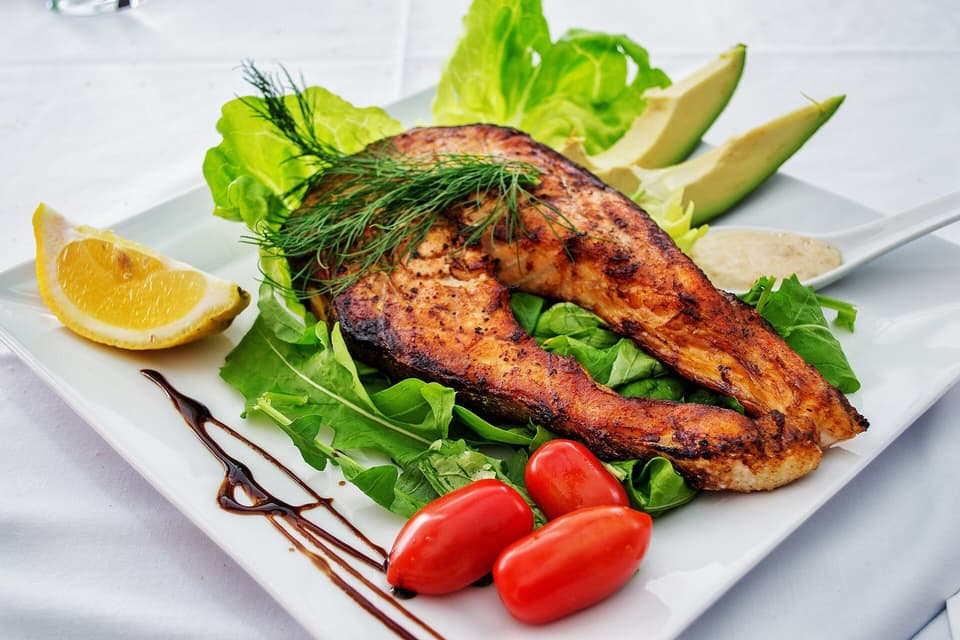
Photo is illustrative, not from a past month. Credits.
Please read this first: who should not try an eating window. Do not try intermittent fasting, even a gentle one, if any of these apply to you, unless your own doctor has said yes:
- Diabetes, or taking insulin, SGLT2 inhibitors (such as empagliflozin or dapagliflozin), sulfonylureas, GLP-1 medicines or any other medicine that lowers blood sugar.
- Pregnancy, trying to conceive, or breastfeeding.
- Any history of an eating disorder. At The Quiet Month we never offer fasting in this case, even with a doctor's letter.
- Under 18, under-weight (a BMI under 18.5), or you have recently lost weight without trying.
- Kidney disease, or liver or heart disease, gout, low blood pressure or fainting.
- Any regular medication, especially medicine that must be taken with food.
See your doctor first. I am self-taught in nutrition, not a doctor or a dietitian, and nothing here is medical advice. If food or eating feels like a struggle, you can find a free helpline at findahelpline.com.
One more warning, because it matters most here. Cutting carbohydrates and shortening the eating window both reduce the sugar coming in. If you take insulin or another diabetes medicine, the combination can push blood sugar too low. Diabetes UK advises speaking to your healthcare team before cutting carbohydrates, because insulin and some diabetes medicines may need adjusting, and SGLT2 inhibitors may need to be stopped. The US FDA has warned that SGLT2 inhibitors can cause ketoacidosis, a serious build-up of acid in the blood. Never combine keto and fasting on these medicines without your doctor.
Search for keto and intermittent fasting and you'll find a lot of shouting: "double your results", "the ultimate combo". I'd like to offer the quiet version. Both ideas are simple. Both have some interesting science and plenty of unanswered questions. Put together carefully, they can make a calm, easy daily rhythm. Put together carelessly, they can make people feel rotten, and for some people they are genuinely unsafe. This is how I think about combining them, and how both are part of The Quiet Month.
Two different ideas: what you eat, and when
Keto is about what you eat. Harvard's Nutrition Source describes a strict ketogenic diet as typically under 50 grams of carbohydrate a day, sometimes as low as 20, with most energy coming from fat and moderate protein. What I eat, and what we share during the month, is a looser "keto-style" plate: eggs, fish, meat, vegetables, olive oil, nuts and a little fruit, with bread, rice, pasta, potatoes and sugar mostly left out.
Intermittent fasting, in the gentle form I mean, is about when you eat. All meals fall inside a daily window, such as ten hours, and the rest of the day, mostly overnight, is quiet. If you're new to it, start with my guide to intermittent fasting for beginners, which explains the 12:12 to 14:10 path step by step.
They are separate tools. You can use either one without the other, and many people do.
Keto and intermittent fasting: why people pair them
The reason is mostly practical. In their 2019 New England Journal of Medicine review, Rafael de Cabo and Mark Mattson describe how, after roughly 8 to 12 hours without food, the body begins to shift from stored sugar towards fat and ketones for fuel. A very low-carb diet also leads the body to make more ketones. So the two point in a similar direction. And people who already eat keto-style often find a ten-hour window easy, because a breakfast of eggs and vegetables at 09:00 tends to carry them further than a pastry would.
This is where the honest part comes in. "Point in a similar direction" is not the same as "work better together". I could not find good long-term trials showing that combining the two does more for health than either one alone, or than simply eating good food at regular times. The wider evidence is mixed:
- Fasting research is mostly short and narrow. De Cabo and Mattson note that human studies have mainly been relatively short, and mostly in overweight young and middle-aged adults. The US National Institute on Aging says there are
no firm conclusions
about the benefits for human health, and not enough evidence to recommend fasting diets to the public. - An eating window did not beat plain calorie limits in a year-long NEJM trial published in 2022: adding an 8-hour window to the same calorie targets made no meaningful difference to body weight, body fat or metabolic risk factors.
- Keto has known downsides. Harvard's review of the ketogenic diet lists effects some people report when carbohydrates are cut sharply: hunger, tiredness, low mood, irritability, constipation, headaches and "brain fog". It also notes that a strict version is hard to keep up and is not right for everyone.
- Very short windows raise questions. A preliminary 2024 American Heart Association abstract linked eating windows under 8 hours with a higher risk of death from heart disease. It was not peer-reviewed, relied on people's memory of what they ate, and showed a link, not a cause. Still, it is a good reason to be careful with very short windows.
So I make no promises about what keto and intermittent fasting will do for your body. What I can say is that, for some healthy adults with their doctor's OK, a simple low-carb menu inside a ten-hour window is an easy, pleasant way to organise the day.
Seven calm rules for combining them
- Never start both on the same day. Change one thing at a time. Most people find it easier to settle into keto-style meals on a normal schedule for a week or two, and only then try a 12:12 window.
- Start short and build slowly. At home, a 12:12 window is a gentle first step; then 13:11, then 14:10 if you feel well. Go no further without talking to your doctor, and only on good days.
- Don't stack restriction on restriction. Low-carb plus a short window plus small portions is how people end up exhausted. Eat properly inside the window: three meals, protein at each, plenty of vegetables, and enough olive oil, cheese or nuts to feel full.
- Drink, and remember salt. Water, black coffee and plain tea are always allowed. If you feel light-headed in the first days of low-carb eating, a pinch of salt in water or a cup of salty broth with your first meal helps many people. If you have blood pressure or kidney problems, ask your doctor first.
- Get your carbs from vegetables. Leafy greens, courgettes, peppers, cauliflower, and berries in small amounts. They make keto-style food feel like real food rather than a rule.
- Exercise gently at first. Walks and easy sessions in the first weeks. Save harder training for when you feel settled, and eat soon afterwards.
- Step back without guilt. Travel days, bad nights, illness, a dinner with friends: eat normally, or go back to 12:12. A rhythm bends.
A sample keto-style 14:10 day
| Time | What | Example |
|---|---|---|
| 07:00 | Quiet hours: a walk | Black coffee, plain tea or water. A pinch of salt in water if you like. |
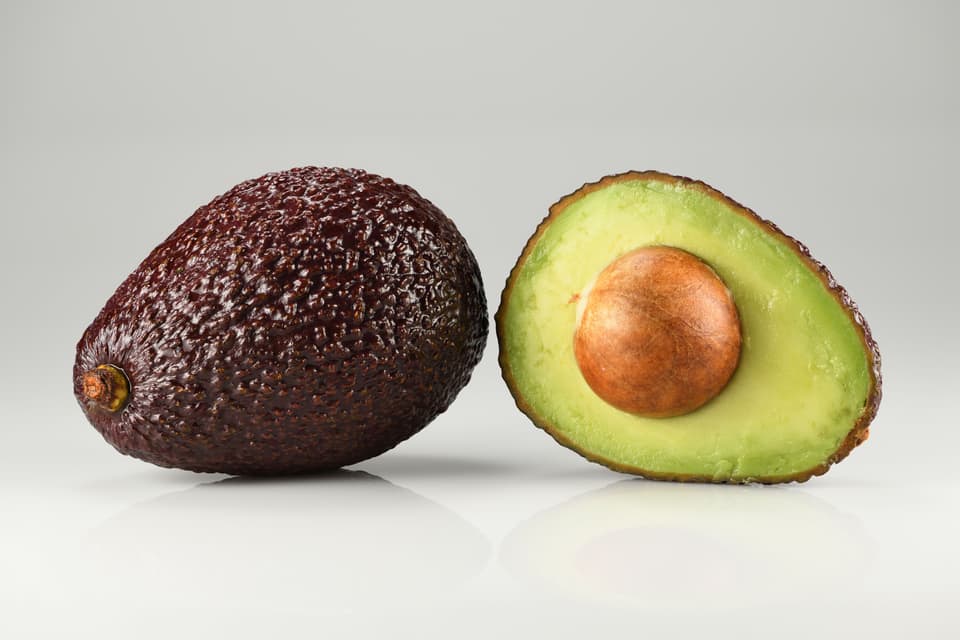
| 09:00 | Window opens | Two or three eggs, spinach cooked in olive oil, half an avocado, a few berries. |
| 13:30 | Main meal | Grilled fish or chicken, a big salad with feta and olives, roasted vegetables. |
| 18:30 | Small last meal | Lamb or salmon, cooked greens, plain yoghurt with a few nuts. |
| 19:00 | Window closes | Herbal tea, water, conversation, a short meditation and an early night. |
If you're eating out rather than cooking, the same plate is easy to find in most cuisines. My keto travel food guide lists what to order in Greek, Japanese, Indian, Mexican and many other kitchens, plus market and airport lists for long travel days.
Signs to stop and see a doctor
- Dizziness, fainting, shakiness, sweating, confusion or a racing heart.
- Nausea, vomiting, stomach pain, unusual tiredness or trouble breathing. If you take an SGLT2 inhibitor, the FDA lists these as possible signs of ketoacidosis: get medical help straight away.
- Feeling exhausted most days after the first couple of weeks.
- Thinking about food all the time, feeling guilty after eating, or wanting to make the window ever shorter. Harvard's Nutrition Source notes that fasting may encourage an unhealthy fixation on food in some people.
Any of these is a reason to stop, eat a normal meal and get proper medical advice. None of them is a sign that you are "doing it right".

How we combine them during The Quiet Month
During The Quiet Month, everyone shares the same low-carb, keto-style meals, and allergies and medical diets are agreed before you arrive. A daily eating window is part of the month too, and the meals sit inside it:
- I set the window each day, guided by my own experience, and adjust it to each guest and how they are doing.
- Water and black coffee are fine in the quiet hours, and so is plain tea.
- If you feel unwell, you eat. Safety comes first, food is always available, and nobody is ever pushed.
- Nobody is weighed, measured or tracked.
Every guest's doctor's fit-to-join letter asks separately about a low-carb diet, an eating window and daily exercise. If your doctor says yes to keto-style food but no to fasting, you eat the same meals on a normal schedule. If anything in the safety box applies to you, the eating window stays off for you. That isn't a lesser month; it is simply the right month for you.
The rest of the day is calm and simple: daily exercise at your pace, short optional morning meditation, outings, a free day each week and long conversations. Up to four guests, each in their own private flat. The full day is on the month page, the cost on the price page, and common questions in the FAQ.
About me: a few years ago I stopped drinking and smoking and changed how I eat, move and rest. I am self-taught in nutrition. I am not a doctor or a dietitian, and The Quiet Month is not medical, not therapy and not rehab.
Try it gently at home
The easiest test is a week. My free 7-day plan for a quiet week at home gives you simple low-carb meals, walks, short meditations and calmer evenings, with a printable checklist. Eat the meals on a normal schedule for the first few days. Then, if you feel well, nothing in the safety box applies and your doctor agrees, finish the week with a 12:12 window. That's it. No apps, no scales, no heroics.
Sami is self-taught, not a dietitian or doctor. This is a lifestyle routine, not medical advice. Speak to your doctor before changing how you eat.
Questions people ask
Can you do keto and intermittent fasting together?
Some healthy adults do, with their doctor's OK. Go gently: settle into keto-style meals first, then try a short window such as 12:12, and build slowly only if you feel well. Step back on any day that doesn't feel right.
Is it safe to combine keto and fasting with diabetes medicine?
Not without your doctor. With insulin or other glucose-lowering medicine, blood sugar can fall too low, and SGLT2 inhibitors carry a risk of ketoacidosis. Your doctor may need to change your medicine first, or may advise against it.
Should I start keto and intermittent fasting at the same time?
No. Change one thing at a time. Most people find it easier to settle into low-carb meals on a normal schedule first, and add a short eating window a week or two later.
Does combining keto and intermittent fasting work better?
There is no good long-term evidence that the combination does more for health than either alone. Research on fasting is mixed and mostly short-term. The Quiet Month makes no weight or health promises.
Are keto and intermittent fasting part of The Quiet Month?
Yes. The meals are keto-style for everyone, inside a daily eating window that Sami sets and adjusts to each guest. Water and black coffee are fine, anyone who feels unwell eats, and nobody is pushed. If the safety screening or your doctor says no to fasting, you eat the same meals on a normal schedule.
Sources
- Harvard T.H. Chan School of Public Health, The Nutrition Source: Diet review, ketogenic diet (carbohydrate levels; side effects; who should be careful)
- Harvard T.H. Chan School of Public Health, The Nutrition Source: Diet review, intermittent fasting (mixed evidence; who should avoid it; fixation on food)
- de Cabo R, Mattson MP (2019), New England Journal of Medicine: Effects of intermittent fasting on health, aging, and disease (metabolic switch after 8 to 12 hours; studies short-term)
- National Institute on Aging (NIH): Calorie restriction and fasting diets: What do we know? (no firm conclusions)
- Liu D et al. (2022), New England Journal of Medicine: Calorie restriction with or without time-restricted eating (PubMed) (12-month trial, 139 adults)
- American Heart Association newsroom (March 2024): 8-hour time-restricted eating and cardiovascular death (preliminary abstract; association, not cause)
- Diabetes UK: Low-carb diet and meal plan (medication and SGLT2 note)
- US FDA: FDA revises labels of SGLT2 inhibitors for diabetes to include warnings about too much acid in the blood (ketoacidosis warning and symptoms)
- Find A Helpline: free helplines in many countries
Prices and facts were checked on 23 October 2026. Prices change; always check the source before you book anything.
Want to try the rhythm at home first? Read the free 7-day plan: a quiet week at home. Walks, simple low-carb meals, short meditations and a printable checklist. No sign-up.