Price · Pros and cons
Is a wellness retreat worth it? The honest pros and cons of a $10k month
A straight answer from someone who sells one, which is exactly why I owe you the cons as well. The maths, the research on habits and holidays, and a five-question test.
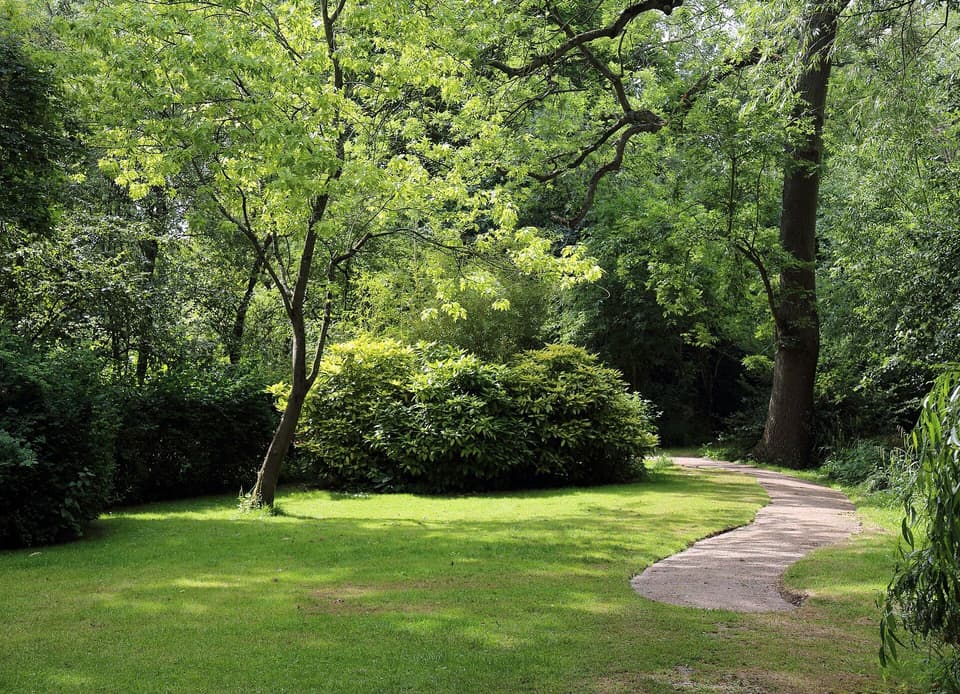
Photo is illustrative, not from a past month. Credits.
You have found a wellness retreat you like, you have seen the price, and now a small voice is asking: is a wellness retreat worth it, or is this a very expensive way to drink green juice? Fair question. I run one, The Quiet Month, and it costs US$10,000 for a month. So I have a conflict of interest, and I will declare it in the first paragraph. The best I can do is give you the cons as plainly as the pros, and let you decide.
Two things first. If you drink heavily or every day, talk to a doctor before you stop; The Quiet Month is not medical, not therapy and not rehab. And every outside price below is a published figure I checked in October 2026, linked at the end. Prices change.
The short answer
- It is worth it if what you are missing is time and structure: a long, clean break from alcohol and late nights, with the food, the movement and the company already sorted.
- It is not worth it if you are hoping a place will change you on its own, if the money would cause you real stress, or if you need medical or psychological care. Then other options come first.
Everything else is detail. But the detail is where the money goes, so here it is.
A lot of people are asking the same question
You are not alone in weighing this up. The Global Wellness Institute, which tracks the industry, puts wellness tourism spending at US$894 billion in 2024, up from US$439 billion when it was first measured for 2012. That is a lot of retreats, and a lot of choice. It also means a lot of marketing. The more money in a field, the more carefully you should read the "included" list.
The maths: about US$330 a day
US$10,000 divided by 30 days is about US$333 a day. For that, the programme covers:
- All shared meals, low-carb and keto-style, with a daily eating window that I set and adjust to each guest.
- Daily exercise together: walking, swimming, strength, stretching.
- Daily meditation, 10 to 20 minutes, always optional.
- Outings and activities, and local transport during the month.
- Company: up to three other guests and me, at meals, on walks and in the evenings.
Not included: your private flat (I choose it and send you the listing; you book and pay it yourself), flights, visas, travel insurance and personal spending. Flat prices vary too much by city and season for me to give you an honest number here, so I won't invent one. You see the real listing and price before you book anything.
Next to a luxury resort
For comparison, published prices for well-known wellness resorts start at about US$740 a night (a three-night stay at Chiva-Som from US$2,215, before a possible service charge) and about US$860 a night (seven nights at SHA Wellness Clinic from US$6,007). Those include a room, which ours does not, and a spa, which ours does not have. Still, a single good week at that level costs more than half of a whole month with us. My full line-by-line price comparison has the details.
Next to staying at home
This is the comparison people forget. Write down what one month of your normal life costs: rent you pay anyway, groceries, eating out, drinks (be honest), takeaways, a gym you visit twice. You may find the gap is smaller than you feared. Or very large. Both are useful answers. I will not tell you what your month costs, because I do not know, and a made-up average would only flatter my price.

The pros: what a month can give you
1. Enough time for a routine to stop feeling new
The best-known study on how habits form was run at University College London by Phillippa Lally and colleagues, published in 2010. Volunteers picked one simple daily behaviour, like a walk after breakfast, and repeated it for twelve weeks. On average it took about 66 days for the behaviour to reach its peak of feeling automatic, but the range was huge: from 18 days to a predicted 254 days. And a single missed day made little difference.
Notice what that means. A month is not long enough to "lock in" a habit for most people, and anyone who tells you otherwise is selling something (a different something from me). What a month can do is give you thirty repetitions in a row, without the old cues around you, and a clear start. That is a strong beginning, not a finish line. You still have to carry it home.
2. The decisions are already made
No choosing what to cook. No deciding whether to go for a walk; everyone is going. No negotiating with the wine shelf, because there isn't one. In my own experience, the hardest part of a healthy routine is not the doing but the deciding, a hundred small times a day. A structured month takes most of those decisions off the table.
3. Company that is going the same way
Up to three other guests, all doing the same month. Nobody asks why you are not drinking. Nobody orders you "just one". That is hard to buy at home, at any price.
4. Distance from your usual triggers
Your usual bar, your usual sofa, your usual 7 pm. A new place with a set rhythm puts some distance between you and all of them, for long enough to notice what you actually miss and what you don't.
The cons: the honest list
- It is expensive. US$10,000, plus your flat, flights and insurance. If paying it would keep you awake at night, it defeats the point of a calm month. Please don't.
- You need a month off. Many people simply cannot take four weeks away from work or family. That is a real limit, not a lack of willpower.
- The good feeling can fade fast. Research on ordinary holidays by Jessica de Bloom and colleagues found that holidays have a small positive effect on well-being that fades soon after people go back to work; in one study, within the first week back. A retreat is not magic. What you keep depends on what you do after.
- It is a new programme. There are no reviews yet, and I will not invent any. You are trusting a person, a written agreement and a video call. That is why nothing is paid before the call and the signature.
- Bank transfer, not card. The deposit and balance are paid by bank transfer or Western Union. Those give you less buyer protection than a credit card. Read the terms before you pay, and ask me anything.
- No spa, no medical team. No massages are included, no doctors on site. I am self-taught in nutrition, and I am not a doctor.
- The food is not for everyone. Low-carb, keto-style meals with an eating window. If you have diabetes or take glucose-lowering medicine, are pregnant or breastfeeding, have had an eating disorder, are under-weight or have kidney disease, fasting is not offered to you, and your doctor must clear you first.
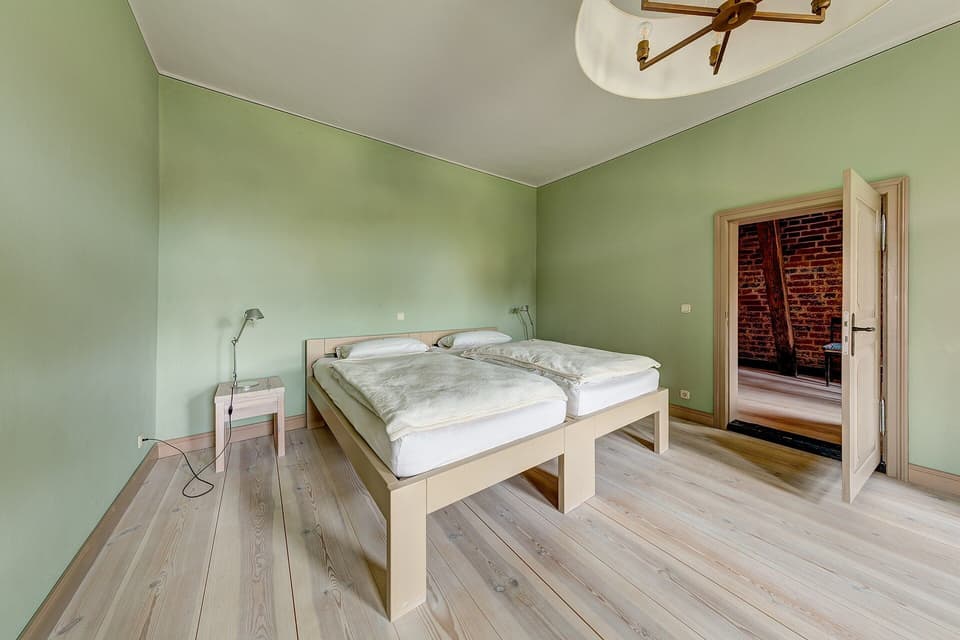
- You don't know the place in advance. I never publish where I am. You learn the country and city after the call, before you sign. Some people find that odd. It is a safety choice.
- Strangers. You will spend a month with up to three people you have not met. In my view good conversation is half the month. Some people will find it hard work.
When it is probably worth it
- You have tried a sober month at home and the evenings beat you, not the mornings.
- You are at a turning point and want space to think, away from the usual noise.
- You can afford it without strain, and you can take the time.
- You like small groups, early mornings and long conversations. (Mostly the conversations.)
- You can stop drinking safely, and your doctor is happy for you to join.
When it is probably not
- You need medical or psychological care right now. Start there; that matters far more than any retreat.
- You want pampering, room service and a spa. A resort will make you happier.
- You only have a week. A good week away is lovely, and much cheaper.
- You have never tried a quiet routine at home. Try the free options below first; you may not need to travel at all.
A five-question test before you pay anyone
Use this for any retreat, including mine.
- What exactly am I buying? Write it in one sentence. "A month of structure and company, without alcohol" is a good answer. "To become a new person" is a warning sign.
- Could I get 80% of it at home? If yes, try that first. If you have tried and it didn't stick, the remaining 20% might be the whole point.
- What does the full month really cost? Fee, room, flights, insurance, spending. Add it up before you feel anything about it.
- What happens if it isn't a fit? Ask for the refund terms in writing, with dates.
- What is my plan for the week after? If you have no answer, the research on holidays says the benefits may fade quickly.
How to make the month worth it afterwards
The last week of The Quiet Month is called "plan" for a reason. We spend it on what you keep when you go home. Three ideas I find useful:
- Keep three habits, not ten. A morning walk, a simple breakfast and an early night are plenty.
- Plan your first evening home before you fly. That is the one that catches people.
- Keep the company. Stay in touch with the group if you want to. No membership, no fees, no pressure.
Lally's study is a helpful comfort here: missing one day did not undo the progress. Slipping once is not starting over.
Cheaper ways to find out first
If you are not sure, start for free. The 7-day plan for a quiet week at home has walks, simple low-carb meals, short meditations and a printable checklist, free to read on the page. The 31-day planner is a whole month at home on one page. If you'd like the week by email, join my occasional letters: six short emails over two weeks, then only now and then, and one click to unsubscribe. My guide on how to plan a month off alcohol works at home too.
How paying works, if you decide it is worth it
- Apply, then a free video call. No commitment on either side.
- Country and city, told to you before you sign.
- A written agreement with my full legal name.
- A US$1,000 deposit by bank transfer or Western Union. It is part of the fee. Then you book your flat.
- The balance in two halves: on day 1, after you arrive and see everything, and on day 15.
The minimum stay is one month. Two months are US$19,000 and three are US$27,000. The 7-day fit promise means either of us can say "this isn't a fit" by day 7, and unused weeks are refunded minus anything non-refundable. If I cancel, you get everything back.
So, is a wellness retreat worth it? Sometimes, for some people, for the right reasons. I can promise breakfast, company and a calm routine. I can't promise who you will be on day 30. If that honest offer sounds like enough, we should talk.
Questions people ask
Is a wellness retreat worth the money?
It can be, if what you need is time, structure and company away from your usual routine, and you can afford it without strain. It is not worth it if you expect the place to change you on its own, or if you need medical or psychological care. Then that comes first.
How much does The Quiet Month cost per day?
About US$333 a day: US$10,000 for a one-month programme. That covers shared meals, daily exercise, meditation, outings and local transport. Your flat, flights, visas, insurance and personal spending are extra.
Is one month long enough to build a habit?
For many people, not fully. In a well-known UCL study, habits took about 66 days on average to feel automatic, with a range from 18 to a predicted 254 days. A month gives a strong start; keeping it going at home is the real work.
Are there reviews of The Quiet Month?
Not yet. It is a new programme, and I will not invent reviews. Instead, nothing is paid before a video call and a signed agreement with my legal name, and there is a 7-day fit promise.
Sources
- Global Wellness Institute: What is wellness tourism? (US$894 billion in 2024; US$439 billion for 2012)
- British Psychological Society Research Digest: How to form a habit (summary of Lally et al.: about 66 days, range 18 to a predicted 254; one missed day had little impact)
- Lally, van Jaarsveld, Potts and Wardle (2010), European Journal of Social Psychology: How are habits formed (the original study)
- de Bloom et al. (2009), Journal of Occupational Health: meta-analysis of vacation effects on health and well-being (small effect that fades after return to work)
- de Bloom, Geurts and Kompier (2013), Journal of Happiness Studies: vacation after-effects, activities, experiences and sleep (54 employees; fade within the first week back)
- Compare Retreats: Chiva-Som 3 to 14 night stay (3-night prices, service charge note)
- Compare Retreats: SHA Wellness Clinic 7 to 14 night programme (7-night package prices)
Prices and facts were checked on 23 October 2026. Prices change; always check the source before you book anything.